
Product Guides / Supplements & Nutrition
Magnesium Forms Guide
Humanic Blue’s Longevity365 guide: A 2,000 mg ingredient claim can supply less magnesium than a 200 mg label number. This comparison separates the weight of the compound from the magnesium it contains, then compares five exact powder, capsule and liquid offerings.
Explore the productsQuestions about living longer need evidence about lifespan, rather than a product label, a measurement or a marketing promise. This comparison separates those questions from questions about symptoms, function and daily experience.
01 / Our approach
How did we evaluate these products and services?
We checked the exact forms and labeled servings in official listings, including ingredient-panel images where the numbers were not available as text. The comparison reports elemental magnesium, measuring format and specific cautions; it does not assign a sleep, memory or longevity winner.
Magnesium and Healthy Aging: evidence and sources02 / The takeaways
What did the source evidence show?
- The labeled servings provide 144–300 mg elemental magnesium; those are product facts, not suggested personal doses.
- Neuro-Mag’s 2,000 mg compound supplies 144 mg magnesium. NOW’s roughly 500 mg oxide powder supplies 290 mg magnesium.
- Kidney impairment can make excess magnesium dangerous; different forms do not remove medication interactions.
What does the research tell us about these offerings?
The NIH says the Supplement Facts number reports elemental magnesium. Bioavailability means how much can be absorbed and used; citrate and chloride are generally better absorbed than oxide, but that does not rank these finished products for sleep or brain health. NIH magnesium fact sheet
The NIH warns that impaired kidneys may not clear excess magnesium well, allowing it to build up and become toxic. Magnesium also interferes with absorption of some antibiotics and osteoporosis medicines. Those are reasons for a medication and kidney-health discussion, not simply choosing a different form. NIH risks and medication interactions
What changes when the named formulation and serving amount replace the form name as the comparison?
The products and services
What is distinct about each product or service?
These exact products and services are compared for a specific reader goal. The order is not a ranking, recommendation or endorsement.
This comparison uses one labeled serving of each exact product, checked on 16 October 2026. The amounts are not personal intake targets.
Product 01 / 05
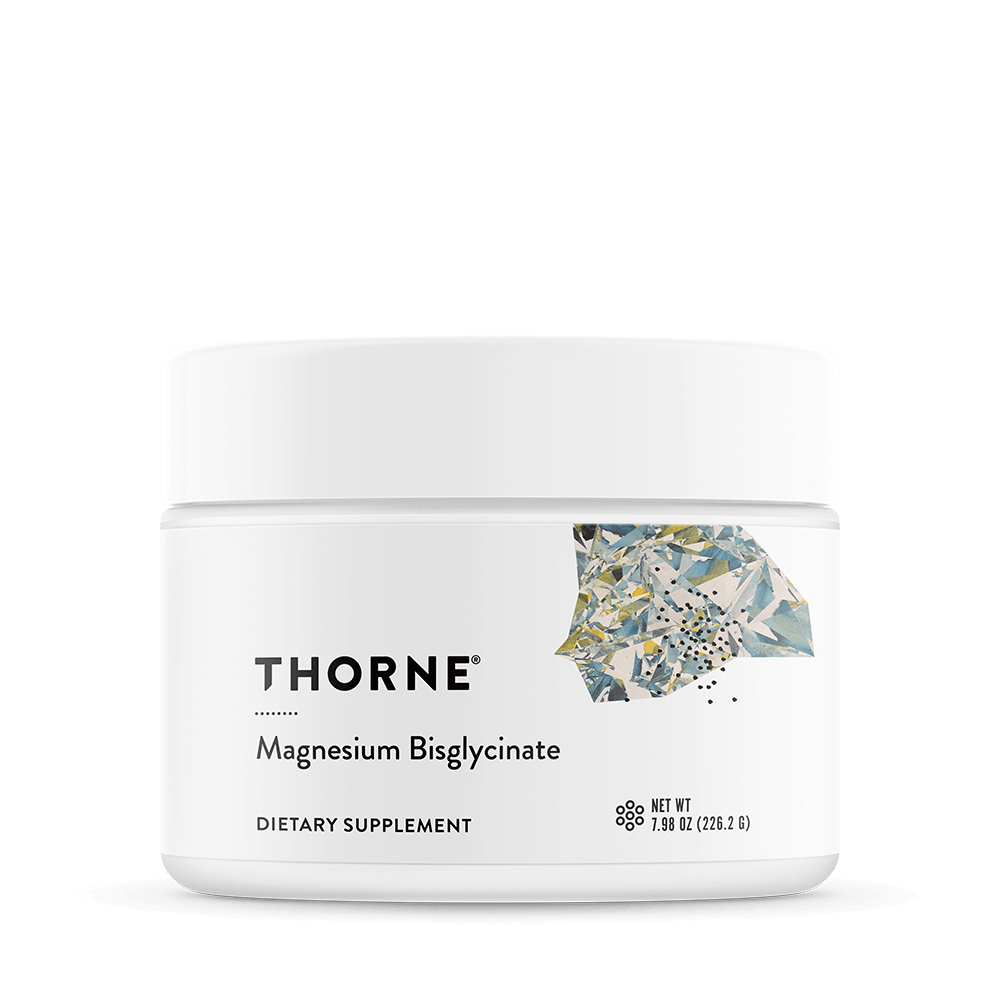
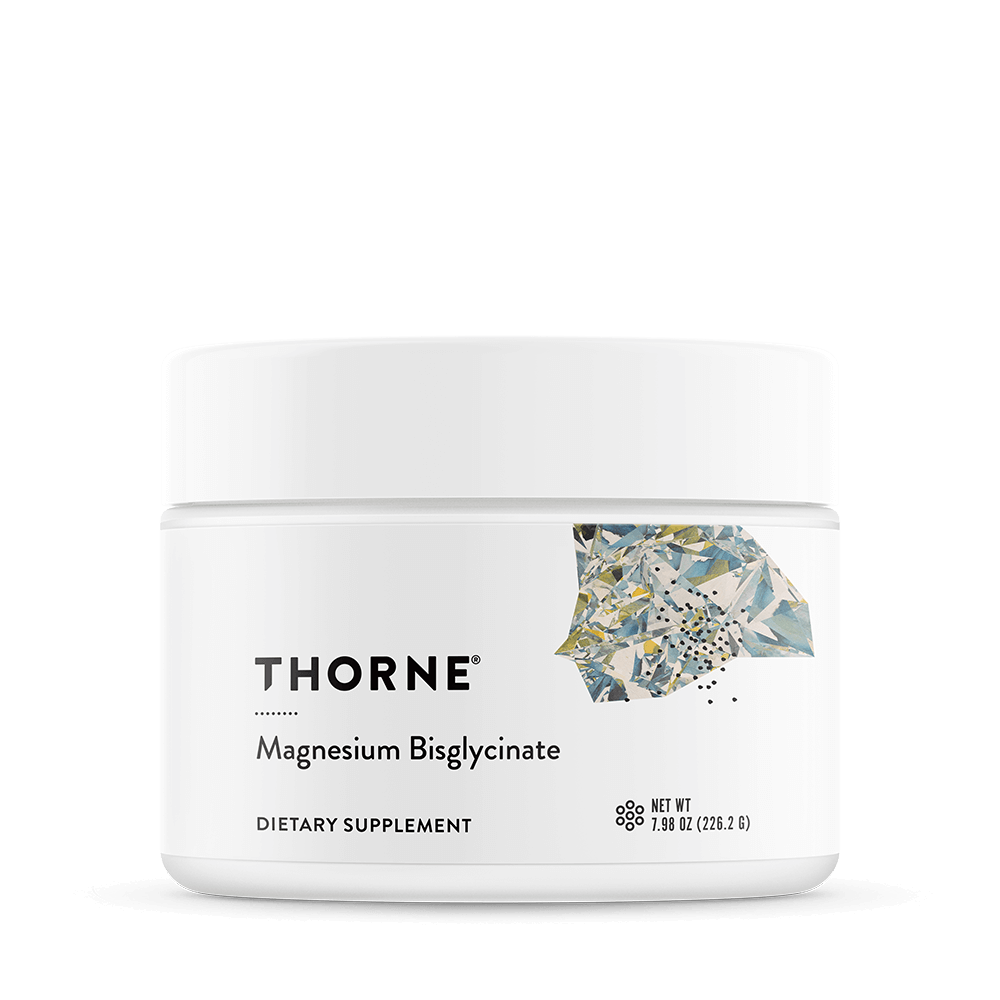
Thorne Magnesium Bisglycinate
Label serving200 mg magnesium per scoop; 60 labeled servings
Thorne’s Magnesium Bisglycinate supplies 200 mg elemental magnesium per scoop. Elemental means the magnesium itself, rather than the weight of the whole magnesium-containing compound. The powder also contains citric acid and monk-fruit concentrate.
The form name does not guarantee digestive comfort: Thorne’s own warning lists gas, bloating and diarrhea as possible effects. Its sleep and relaxation language is a manufacturer claim, separate from evidence about this exact powder improving clinical outcomes.
Product 02 / 05
Pure Encapsulations Magnesium Citrate
Label serving150 mg magnesium per capsule
Pure Encapsulations lists 150 mg magnesium as citrate in each vegetarian capsule. This is the citrate capsule, not the company’s separate citrate powder, citrate/malate blend or glycinate. Its capsule format avoids measuring a liquid or scoop.
The NIH reports that citrate is generally absorbed more completely than oxide in small comparisons. Better absorption does not by itself establish better sleep, memory or longevity, and the company’s general magnesium references are not a head-to-head trial of these five products.
Product 03 / 05
NOW Magnesium Oxide Powder, 8 oz
Label serving290 mg elemental magnesium per ¼ teaspoon (about 500 mg powder)
NOW lists 290 mg elemental magnesium in a quarter-teaspoon serving of its single-ingredient Magnesium Oxide Powder, containing about 500 mg magnesium oxide. The two numbers describe different things: the compound’s weight and the magnesium within it.
NOW warns that the powder can heat liquid on contact and must be dissolved in at least 6 ounces of cold liquid before consumption; it also warns against breathing the powder or getting it on skin or eyes. This handling requirement is a concrete difference from a finished capsule. The serving count differs between the page’s size table and facts panel, so no per-serving price is calculated here.
Product 04 / 05
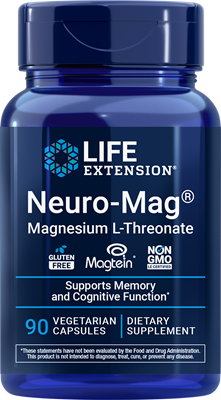
Life Extension Neuro-Mag Magnesium L-Threonate
Label serving144 mg magnesium from 2,000 mg Magtein per 3 capsules
Life Extension’s Neuro-Mag label lists three capsules with 144 mg elemental magnesium from 2,000 mg Magtein magnesium L-threonate. The large 2,000 mg ingredient number is not 2,000 mg of magnesium. The bottle provides 30 of those three-capsule servings.
The company positions this ingredient around memory. Evidence about an L-threonate ingredient, a different formulation or a small trial cannot establish dementia prevention or longer life from this retail product. Its lower elemental amount is not a clinical ranking.
Product 05 / 05
Trace Minerals Magnesium Liquid
Price snapshot$24.99 for the 16 fl oz tangerine liquid; one-time US listing, 16 October 2026
Trace Minerals’ current label lists 300 mg magnesium per tablespoon (15 mL), with 32 servings per bottle. The product combines magnesium citrate and trace-mineral-derived magnesium chloride; it is not a chloride-only formula. The pictured label also lists 3 grams of added sugars per serving.
The liquid changes the measuring and swallowing format, but it does not remove magnesium’s medication or kidney cautions. The seller offers optional recurring delivery at a discount; that is separate from the one-time bottle price.
How does research on one magnesium form translate—or fail to translate—to a finished product?
Reader Questions
A few questions to consider while reading the evidence.
- What did the distinction between compound weight and elemental magnesium change about the labels?
- Which practical differences remain after setting aside the products’ sleep and brain-health claims?
Extra Insights & Sources
For readers who want the evidence and comparison details behind this guide.
Product comparison matrix
How do the products and services compare?
This matrix summarizes the product profiles above. Amounts describe the named label or service, not a personal treatment plan. It is not a scorecard or ranking.
| Question | Thorne Magnesium Bisglycinate | Pure Encapsulations Magnesium Citrate | NOW Magnesium Oxide Powder, 8 oz | Life Extension Neuro-Mag Magnesium L-Threonate | Trace Minerals Magnesium Liquid |
|---|---|---|---|---|---|
| Exact form | Bisglycinate powder | Citrate capsule | Oxide powder | L-threonate capsules | Citrate/chloride liquid |
| Labeled serving | 1 scoop | 1 capsule | ¼ teaspoon, about 500 mg powder | 3 capsules | 1 tablespoon / 15 mL |
| Elemental magnesium per serving | 200 mg | 150 mg | 290 mg | 144 mg | 300 mg |
| Practical difference | Citric acid and monk fruit | Capsule; no measuring | Cold-liquid dissolution and powder-handling warning | 2,000 mg compound is not elemental dose | Tangerine flavor; 3 g added sugars |
Sources
- Magnesium and Healthy Aging
- Pure Encapsulations citrate product information
- NIH magnesium reference
- Thorne Magnesium Bisglycinate — official listing
- Pure Encapsulations Magnesium Citrate — official listing
- NOW Magnesium Oxide Powder, 8 oz — official listing
- Life Extension Neuro-Mag Magnesium L-Threonate — official listing
- Trace Minerals Magnesium Liquid — official listing
Image credits

Disclosures
Manufacturer descriptions and benefit claims are attributed to their sources. Inclusion is not an endorsement or a personal treatment recommendation.