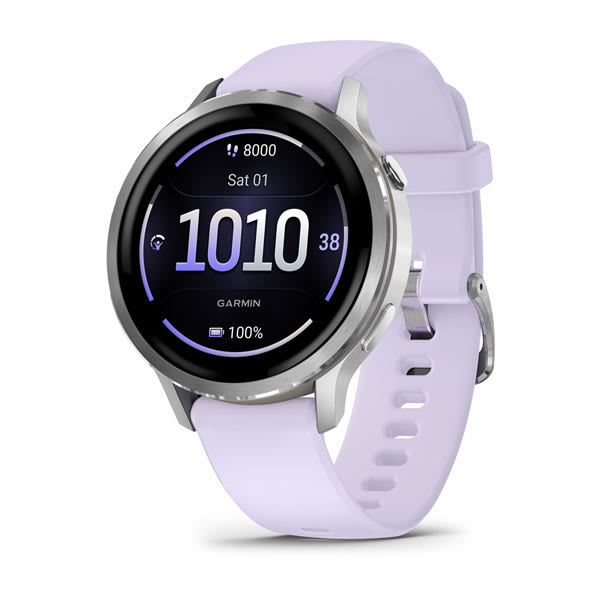
Biological Age Wearables Guide
Compare Garmin Fitness Age, Apple Watch Cardio Fitness, Oura Readiness, WHOOP Healthspan and Fitbit metrics as exact product ecosystems.
Read article
THE ART & SCIENCE OF LIVING LONGER
Subcategory
Compare Garmin Fitness Age, Apple Watch Cardio Fitness, Oura Readiness, WHOOP Healthspan and Fitbit metrics as exact product ecosystems.
Read article
Compare exact at-home longevity testing products by what they measure, how results are interpreted and what the evidence cannot prove.
Read articleCompare TruAge, Elysium Index, GlycanAge and InnerAge2.0 by sample, method and the kind of age report returned.
Read article
Some trials detect average changes in biological-age clocks. Two consumer results cannot yet reliably show that an intervention slowed one person's aging.
Read article
Clinical blood-age tests combine routine lab values; epigenetic clocks analyze chemical patterns on DNA. Neither forecasts one person's lifespan.
Read article
Biological-age scores are research estimates, not diagnoses or lifespan forecasts. Their units, repeatability and limits depend on the clock and sample.
Read article
No guideline sets a biological-age retest interval, and existing trials do not validate a routine schedule for tracking one person.
Read article
A biological age score has dropped in several small human trials. No trial has shown a lower score means slower aging, less disease or a longer life.
Read article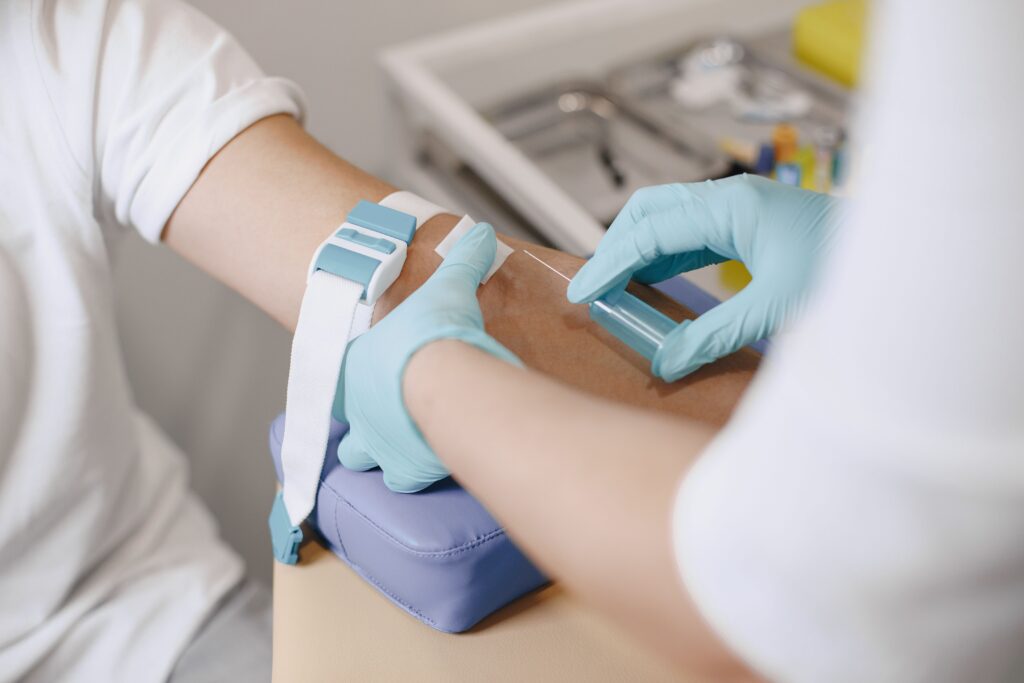
Depends which accuracy. Standard clocks can drift years on one sample; newer ones are tighter and predict mortality in groups. None is a medical test for you.
Read article
Chronological age counts years since birth. Biological age estimates wear and tear from biomarkers. The gap predicts risk in groups, not fate in individuals.
Read article