
Product Guides / Tests and Tech
Smart Ring Comparison Guide
Humanic Blue’s Longevity365 guide: Four rings can produce a sleep score while asking different things of the owner: a particular phone, a recurring membership, a paid extra or a charging routine. This comparison explains those differences without treating every score as the same measurement.
Explore the productsSmart rings turn small sensors into a large amount of app feedback. For readers interested in living longer and better, it helps to separate the physical ring from the company’s interpretation of its readings.
01 / Our approach
How did we evaluate these products and services?
We compared exact ring names, supported phone systems, stated battery duration and the distinction between core features and paid extras. Battery figures are manufacturer claims; stock and delivery can vary by size and finish.
Can Wearables Estimate Biological Age?: evidence and sources02 / The takeaways
What did the source evidence show?
- Oura uses membership for detailed insights. RingConn says its core service has no subscription, and Ultrahuman separates core data from optional paid PowerPlugs.
- Samsung’s Galaxy Ring works in an Android ecosystem, while the other named rings support iPhone as well as Android.
- A charging case’s total recharge capacity is different from the time the ring itself runs on one charge.
What changes when a ring’s purchase price and ongoing app access are treated as separate costs?
The products and services
What is distinct about each product or service?
The order is not a ranking. The profiles compare the named hardware and its associated software.
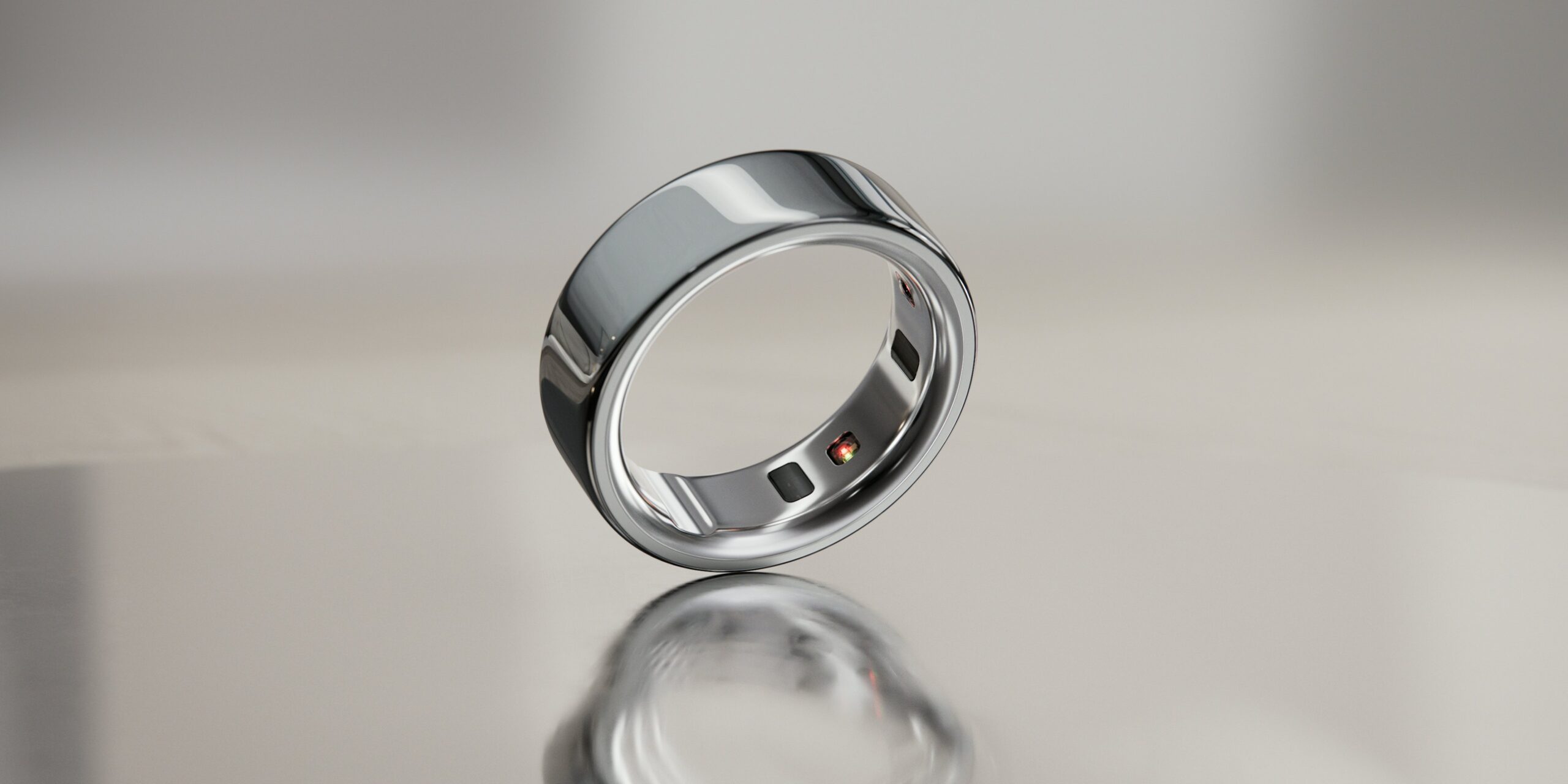
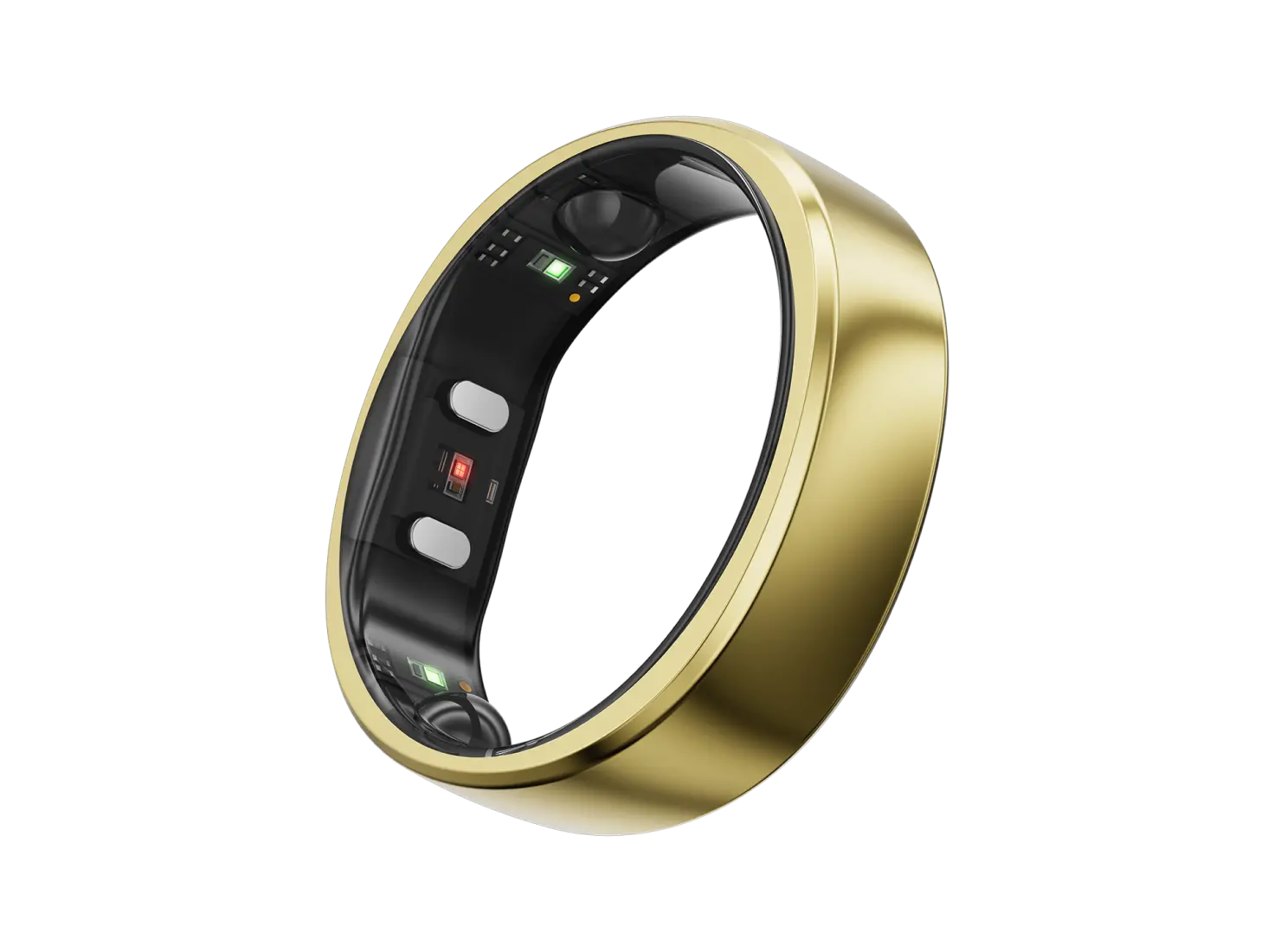
Product 01 / 04
Oura Ring 4
Product formatRing and app; membership for detailed insights
Oura describes Ring 4 as collecting overnight heart-rate, movement and temperature signals and turning them into sleep and recovery feedback. The company advertises five to eight days of battery life, depending on size and use. It works with an iPhone or Android phone.
Detailed biometrics and insights use Oura’s membership. Basic daily scores remain available without it. A sleep-stage label is the app’s estimate from the recorded signals, rather than a direct recording of brain activity.
Product 02 / 04
Samsung Galaxy Ring
Product formatAndroid ring in Samsung Health
Samsung describes Galaxy Ring as combining movement, optical heart-rate and temperature sensors. Samsung Health uses those signals for sleep and activity feedback and an Energy Score, the company’s summary of sleep, heart and activity information. Samsung advertises up to seven days of battery life.
The ring requires a compatible Android phone and Samsung account; some features depend on a Galaxy phone. It is not an iPhone ring. A feature offered on a Samsung watch should not be assumed to be the same feature on this exact ring.
Product 03 / 04
RingConn Gen 2
Product formatCompany describes no subscription; stock varies
RingConn describes Gen 2 as tracking sleep, heart rate, heart-rate variability—the variation in time between heartbeats— and other trends without a recurring core subscription. Its stated ring battery life is ten to twelve days depending on size. The charging case’s larger total capacity includes repeated recharges.
The official Gen 2 page displayed out-of-stock language during the source check, so it is not presented as a guaranteed immediate purchase. Gen 2 Air and later generations are different products.
Product 04 / 04
Ultrahuman Ring PRO
Product formatCore data plus optional paid PowerPlugs
Ultrahuman’s US Ring PRO page describes sleep, heart-rate and recovery feedback and advertises battery life up to fifteen days. The company says core data has no recurring subscription; optional PowerPlugs add specific services and can have their own prices.
Ring PRO is the product compared here, rather than Ring AIR. The charging case’s longer total capacity includes recharges. Shipping dates depend on the selected size and finish. The selected size and finish determine the delivery information shown at checkout.
How would you compare two recovery scores if the companies use different formulas?
Reader Questions
A few questions to consider while reading the evidence.
- Which detail would be easiest to miss in a photograph of the rings?
- What would you want explained about the inputs behind a daily score?
Extra Insights & Sources
For readers who want the evidence and comparison details behind this guide.
Product comparison matrix
How do the products and services compare?
This matrix summarizes the product profiles above. Amounts describe the named label or service, not a personal treatment plan. It is not a scorecard or ranking.
| Question | Oura Ring 4 | Samsung Galaxy Ring | RingConn Gen 2 | Ultrahuman Ring PRO |
|---|---|---|---|---|
| Phone context | iPhone or Android | Compatible Android; some Galaxy-specific features | iPhone or Android, within stated app requirements | iPhone or Android, within stated app requirements |
| Core access model | Membership for detailed insights | Samsung Health ecosystem | Company says no subscription | Company says core data subscription-free |
| Manufacturer ring battery claim | 5–8 days | Up to 7 days | 10–12 days by size | Up to 15 days |
| Purchase / service distinction | Detailed views and basic scores differ | Galaxy phone needed for some features | Gen 2 stock not assured | Optional paid PowerPlugs |
Sources
- Can Wearables Estimate Biological Age?
- Oura Ring 4 — official listing
- Samsung Galaxy Ring — official listing
- RingConn Gen 2 — official listing
- Ultrahuman Ring PRO — official listing
Image credits


Disclosures
Feature and battery descriptions are attributed to the named companies. Scores are interpretations of sensor data, not individual medical conclusions. Product inclusion is not an endorsement.