
Product Guides / Tests and Tech
Biological Age Wearables Guide
Humanic Blue’s Longevity365 guide: An app can show a fitness age, a recovery score or an estimate of oxygen use. The numbers may sit beside one another on a phone, but they answer different questions. These five systems explain the distinction.
Explore the productsLiving longer and better is a reason people follow wearable trends. The word age can make those trends sound like a single test of the body. The companies described here use different inputs and different definitions.
01 / Our approach
How did we evaluate these products and services?
We compared each feature’s stated inputs and output. The guide keeps a fitness comparison, an oxygen-use estimate and a recovery score distinct; it reports company age claims with attribution rather than treating them as measured years of life.
Can Wearables Estimate Biological Age?: evidence and sources02 / The takeaways
What did the source evidence show?
- Garmin Fitness Age expresses a fitness comparison. Apple’s Cardio Fitness estimates VO2 max, meaning maximum oxygen use during exercise, rather than an age in years.
- WHOOP’s Healthspan includes WHOOP Age and Pace of Aging; its company formula differs from Oura Readiness.
- Fitbit’s cardio-fitness estimate and Oura’s readiness score are not DNA-based biological-age tests.
What is actually being compared when a company translates fitness information into an age?
The products and services
What is distinct about each product or service?
The order is not a ranking. The profiles compare the named hardware and its associated software.
Product 01 / 05
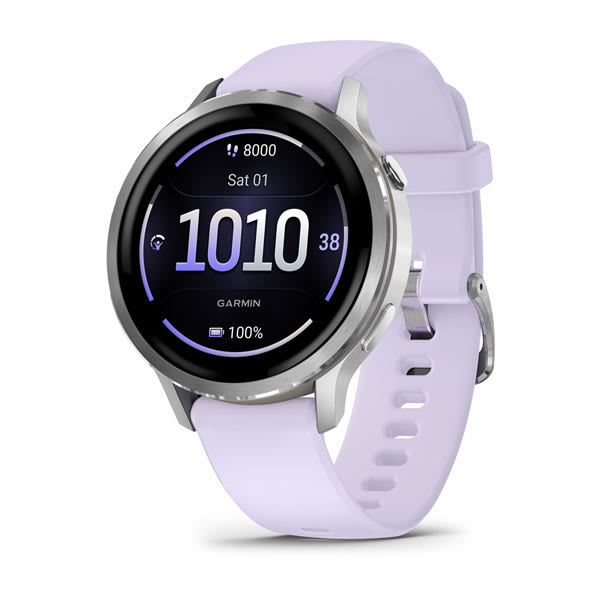
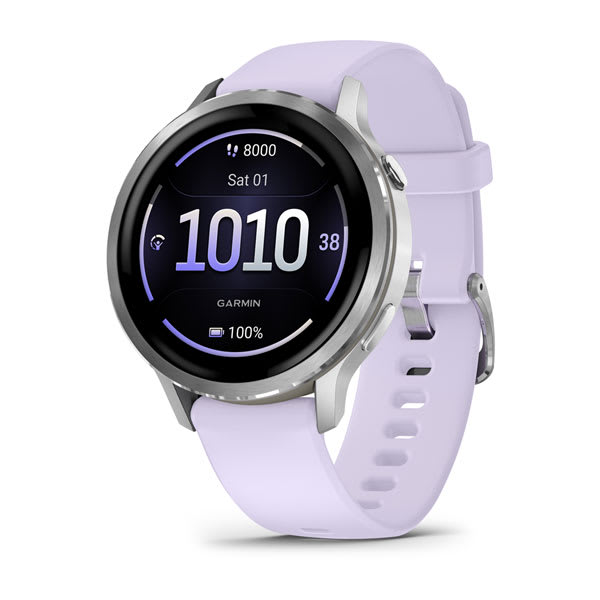
Garmin Venu 4, 41 mm — Fitness Age
Company-described featureFitness comparison using personal and activity data
Garmin’s Venu 4 manual describes Fitness Age as using age, body size or compatible scale body-fat data, resting heart rate and vigorous activity history. It compares fitness-related information with an age-and-sex population reference.
That is a fitness comparison, not a molecular age test. The selected 41 mm Venu 4 is a specific watch; other Garmin devices and software versions can offer different feature sets.
Product 02 / 05
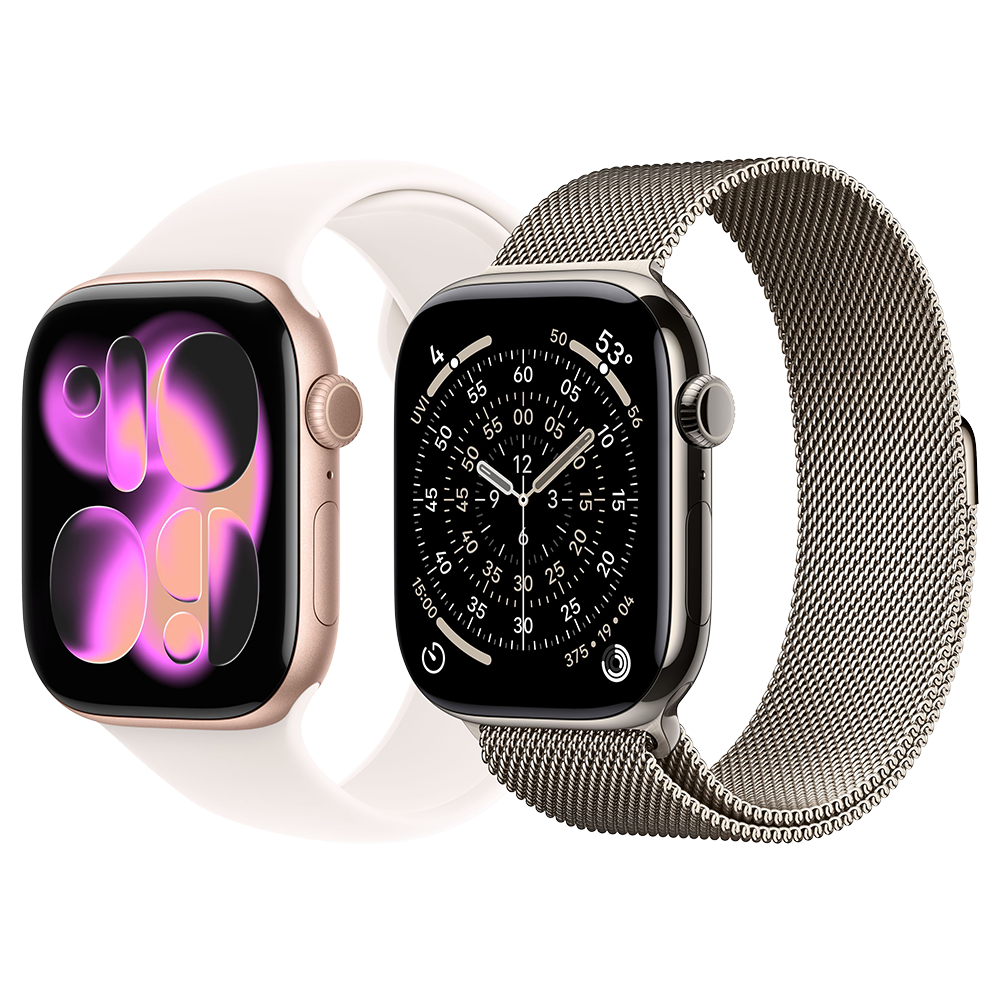
Apple Watch Series 11 — Cardio Fitness
Company-described featureEstimated VO2 max, not age in years
Apple describes Cardio Fitness as an estimate of VO2 max from qualifying outdoor walking, running or hiking. VO2 max is the maximum amount of oxygen the body can use during exercise. The app compares the result with age-and-sex categories rather than calling it a biological-age measurement.
Apple says indoor workouts do not count toward this estimate. The entry retains the named Series 11 model; a later watch’s new features or current store price are not automatically its specifications.
Product 03 / 05
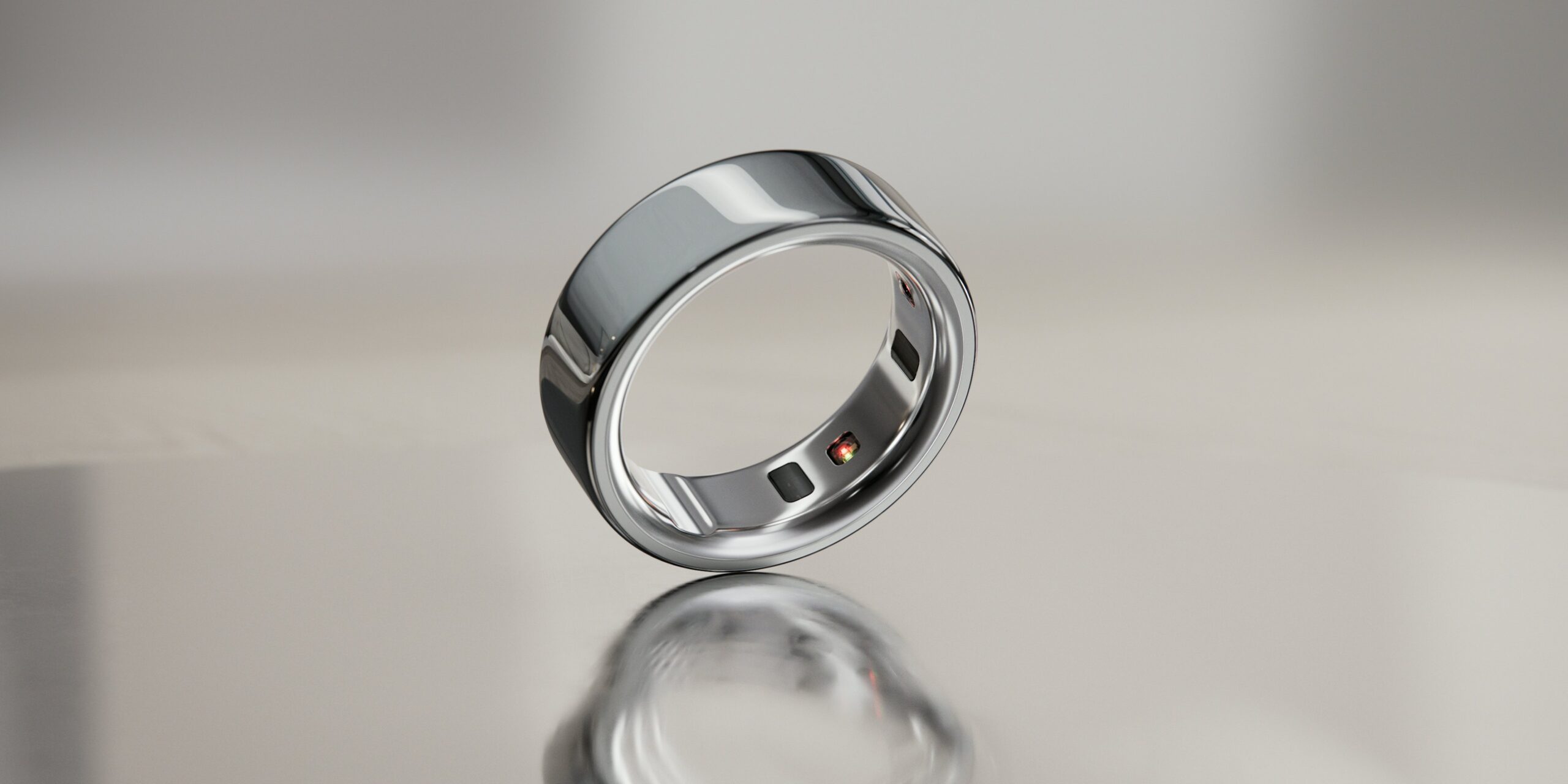
Oura Ring 4 with Readiness
Product formatRing and membership app; daily composite score
Oura says Readiness combines nine contributors, including resting heart rate, temperature, sleep, activity and the pattern in heart-rate variability, meaning variation in time between heartbeats. It compares recent readings with the person’s usual range rather than treating everyone’s raw number as equivalent.
Readiness is a calculated score, not a direct measurement of available energy or biological age. Detailed app feedback uses membership. The inputs explain why a single heart-rate-variability reading and the overall score can tell different stories.
Product 04 / 05
WHOOP 5.0 with Peak Healthspan features
Company-described featureWHOOP Age and Pace of Aging within Peak
WHOOP says Healthspan translates sleep, activity and fitness inputs into WHOOP Age and Pace of Aging. Its support information separates unlocking the feature after enough recorded recoveries from the longer calibration period that refines the personal baseline.
Peak includes Healthspan; the lower One tier is a different offer. WHOOP’s age-style output is its own calculated interpretation, rather than the same measurement as a blood or DNA-based aging test.
Product 05 / 05
Fitbit Charge 6 — cardio-fitness estimate
Company-described featureApp-based fitness estimate from tracker data
Google describes its former Cardio Fitness Score as VO2Max in newer app material. The output estimates cardio fitness from the tracker and app information; the name and presentation can change with the app’s rollout.
Charge 6 is the hardware named here. Its fitness estimate, sleep score and other app summaries answer different questions. A fitness result is not an age measured in a blood sample.
Which numbers could reasonably be compared between brands, and which would need their definitions first?
Reader Questions
A few questions to consider while reading the evidence.
- Which output became clearer once its inputs were named?
- What would you want a company to explain about the word age on its screen?
Extra Insights & Sources
For readers who want the evidence and comparison details behind this guide.
Product comparison matrix
How do the products and services compare?
This matrix summarizes the product profiles above. Amounts describe the named label or service, not a personal treatment plan. It is not a scorecard or ranking.
| Question | Garmin Venu 4, 41 mm — Fitness Age | Apple Watch Series 11 — Cardio Fitness | Oura Ring 4 with Readiness | WHOOP 5.0 with Peak Healthspan features | Fitbit Charge 6 — cardio-fitness estimate |
|---|---|---|---|---|---|
| Named output | Fitness Age | Cardio Fitness / VO2 max | Readiness | WHOOP Age / Pace of Aging | Cardio-fitness / VO2Max estimate |
| What it summarizes | Fitness-related profile | Estimated maximum oxygen use | Recent sleep/activity/physiology pattern | Company sleep/activity/fitness formula | Cardio-fitness information |
| Age in years? | Yes: company fitness-age comparison | No | No | WHOOP Age: years; Pace of Aging: rate | No |
| Selected hardware / access | Venu 4, 41 mm | Series 11 and compatible iPhone | Ring 4; detailed views use membership | WHOOP 5.0 Peak | Charge 6 and Google’s health app |
Sources
- Can Wearables Estimate Biological Age?
- Garmin Venu 4 Fitness Age manual
- Apple Cardio Fitness
- WHOOP Healthspan
- Garmin Venu 4, 41 mm — Fitness Age — official listing
- Apple Watch Series 11 — Cardio Fitness — official listing
- Oura Ring 4 with Readiness — official listing
- WHOOP 5.0 with Peak Healthspan features — official listing
- Fitbit Charge 6 — cardio-fitness estimate — official listing
Image credits


Disclosures
Feature and battery descriptions are attributed to the named companies. Scores are interpretations of sensor data, not individual medical conclusions. Product inclusion is not an endorsement.