
Product Guides / Tests and Tech
HRV and Readiness Tracker Guide
Humanic Blue’s Longevity365 guide: A green recovery score and a full-looking energy gauge can feel reassuring. They are also different companies’ calculations. This guide compares the signals and access behind four named systems.
Explore the productsHeart-rate variability, or HRV, describes variation in the time between heartbeats. It is one input in some recovery tools, rather than a personal verdict about living longer or being ready for a particular workout.
01 / Our approach
How did we evaluate these products and services?
We compared the format, the company’s description of its score, the data it summarizes and how the app is accessed. A score made from several inputs is called a composite score; the companies do not all combine those inputs in the same way.
Can Wearables Estimate Biological Age?: evidence and sources02 / The takeaways
What did the source evidence show?
- WHOOP centers its app on exertion and recovery; Oura combines nine contributors into Readiness.
- Garmin’s Body Battery estimates energy reserves. Apple’s Vitals compares overnight measurements with the person’s usual range.
- HRV, a readiness score and an age-style number are different outputs, even when the same device supplies them.
What information is lost when several overnight readings become one daily score?
The products and services
What is distinct about each product or service?
The order is not a ranking. The profiles compare the named hardware and its associated software.
Product 01 / 04
WHOOP 5.0 with Peak membership
Product formatScreenless wrist device and required membership
WHOOP’s Peak offer combines WHOOP 5.0 with sleep, Strain, Recovery and Healthspan features. Strain describes exertion; Recovery combines overnight signals into the company’s daily score. The device is screenless, with feedback viewed in the app.
WHOOP advertises more than fourteen days of battery life. Peak is a membership tier, not the same bundle as One or Life. The electrocardiogram (ECG) feature, which records the heart’s electrical activity, belongs to the Life/MG offering; it should not be assigned to Peak simply because the brand is the same.
Product 02 / 04
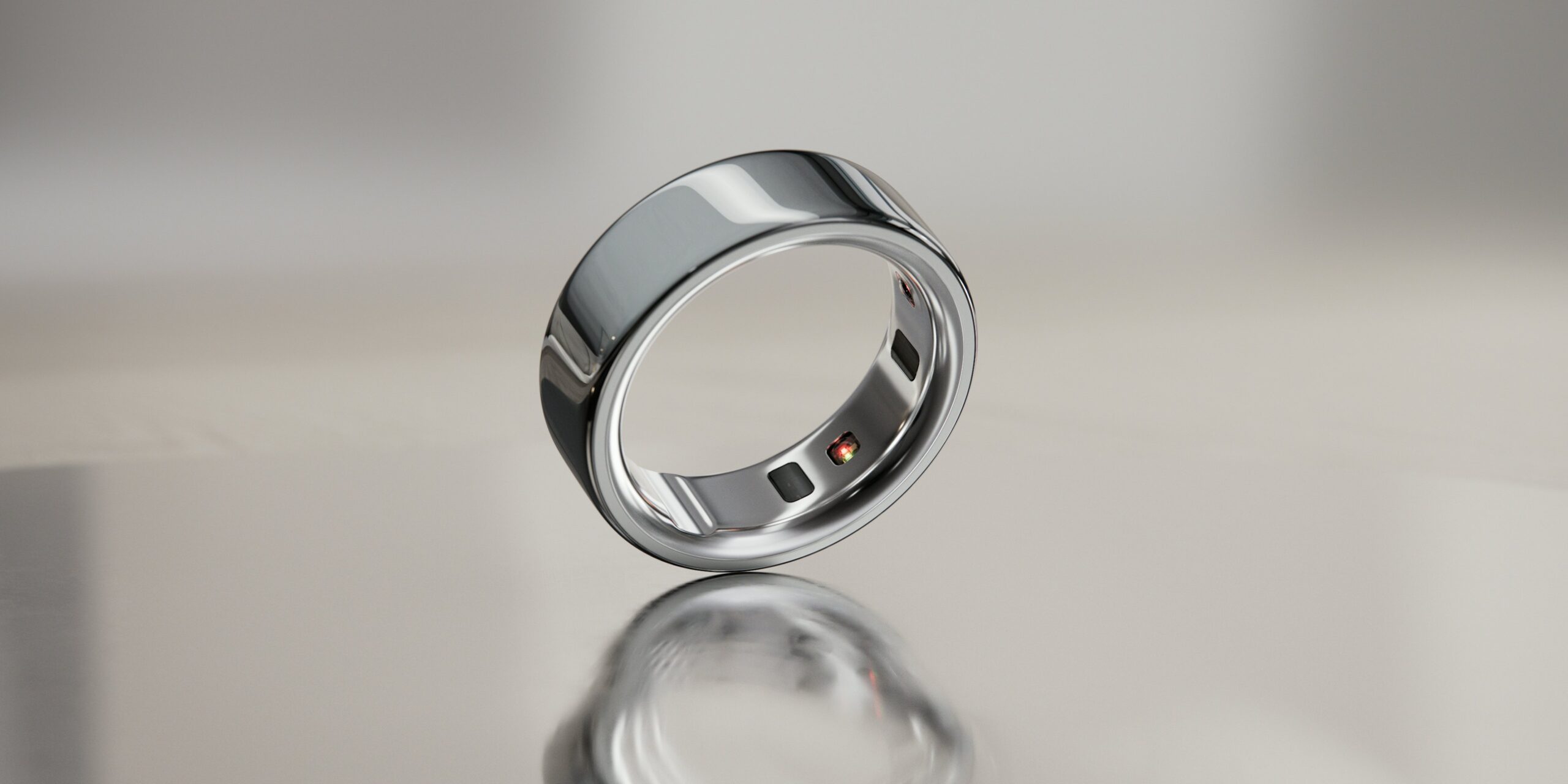
Oura Ring 4 with Readiness
Product formatRing and membership app; daily composite score
Oura says Readiness combines nine contributors, including resting heart rate, temperature, sleep, activity and the pattern in heart-rate variability. It compares recent readings with the person’s usual range rather than treating everyone’s raw number as equivalent.
Readiness is a calculated score, not a direct measurement of available energy or biological age. Detailed app feedback uses membership. The inputs explain why a single heart-rate-variability reading and the overall score can tell different stories.
Product 03 / 04
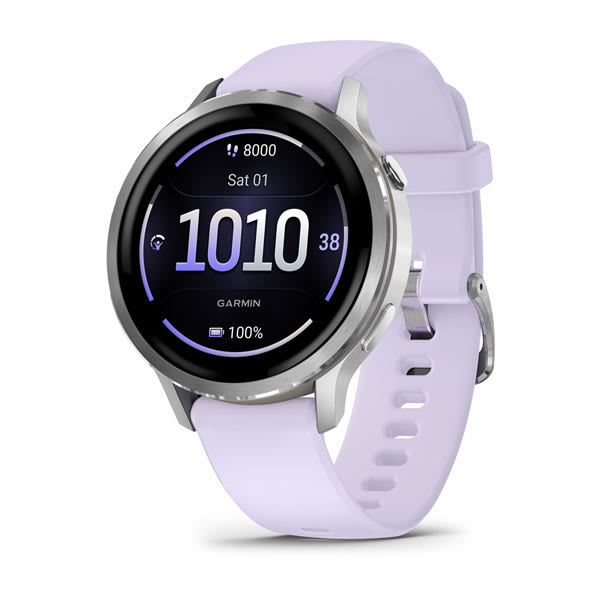
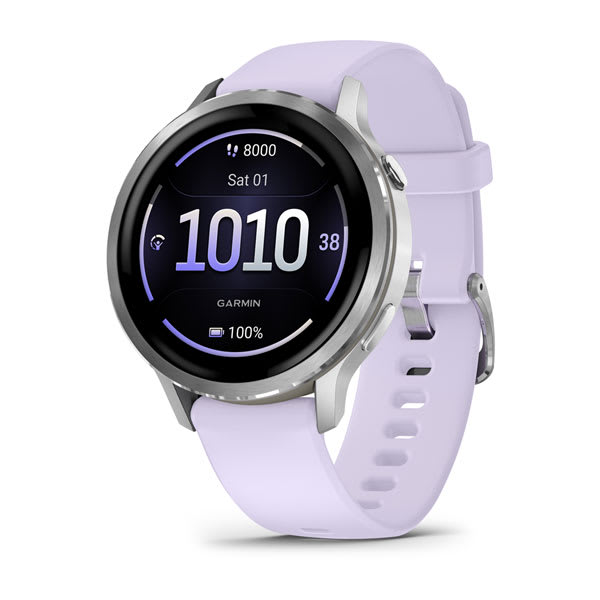
Garmin Venu 4, 41 mm — Body Battery
Product formatWatch-based estimate of energy reserves
Garmin describes Body Battery as an estimate of energy reserves using information such as heart-rate variability, stress and activity. It appears on the watch and in Garmin Connect. The linked Venu 4 is the 41 mm model, for which Garmin advertises up to ten days in smartwatch mode.
Body Battery is Garmin’s interpretation of sensor readings. It is not a direct measurement of the body’s fuel supply. Garmin’s activity and account export tools provide routes to retrieve data, although individual files do not necessarily contain every score or raw signal.
Product 04 / 04
Apple Watch Series 11 — Vitals and Health
Product formatOvernight ranges in Apple’s watch/iPhone system
Apple describes Vitals as showing overnight measurements against a person’s usual range. On Series 11, these include heart rate, breathing rate, wrist temperature and sleep duration, with blood-oxygen availability depending on the device and region. HRV is also a health metric on the watch.
Apple’s newer Series 12/Ultra 4 Vitals views have different HRV features; those should not be assigned to Series 11. This guide retains the named 2025 model and links to Apple’s feature instructions rather than assuming every Apple Watch has the same interface.
How would your interpretation change if a score reflected your usual range rather than a universal threshold?
Reader Questions
A few questions to consider while reading the evidence.
- Which input would you want an app to explain when its score changes?
- What makes a trend more informative than one unusually high or low number?
Extra Insights & Sources
For readers who want the evidence and comparison details behind this guide.
Product comparison matrix
How do the products and services compare?
This matrix summarizes the product profiles above. Amounts describe the named label or service, not a personal treatment plan. It is not a scorecard or ranking.
| Question | WHOOP 5.0 with Peak membership | Oura Ring 4 with Readiness | Garmin Venu 4, 41 mm — Body Battery | Apple Watch Series 11 — Vitals and Health |
|---|---|---|---|---|
| Main interpretation | Recovery and Strain | Readiness from nine contributors | Body Battery energy-reserve estimate | Overnight ranges and outliers |
| Physical format | Screenless wrist wearable | Ring | 41 mm Venu 4 watch | Series 11 watch |
| Access context | Peak membership | Oura membership for detailed insights | Garmin Connect | Compatible iPhone / Apple Health |
| What the output is | Company composite score | Company composite score | Company estimate | Measurements compared with personal range |
Sources
- Can Wearables Estimate Biological Age?
- Oura Readiness contributors
- Apple Series 11 specifications
- WHOOP 5.0 with Peak membership — official listing
- Oura Ring 4 with Readiness — official listing
- Garmin Venu 4, 41 mm — Body Battery — official listing
- Apple Watch Series 11 — Vitals and Health — official listing
Image credits

Disclosures
Feature and battery descriptions are attributed to the named companies. Scores are interpretations of sensor data, not individual medical conclusions. Product inclusion is not an endorsement.