
Creatine
Creatine After 50
After 50, creatine may modestly add strength during training. Bone-density trials are null, brain evidence is early, and kidney tests need context.

After 50, creatine gets pitched as a fix for three separate worries: losing muscle, thinning bones and a slipping memory. Maybe a friend swears by it, or your gym stocks it by the register. That’s a lot of jobs for one scoop of white powder. For Humanic Blue, the useful way to examine creatine after 50 is to separate those claims, because the evidence behind each is very different.
Here’s where the trials land. For muscle, the newest pooled analysis in adults 60 and older finds a small extra strength benefit when creatine accompanies resistance training; added muscle mass and physical-function benefits remain uncertain. A postmenopausal-women analysis found small lean-mass and strength gains, mainly in higher-dose trials paired with training. For bone, two separate two-year trials found no improvement in bone density, although one reported favorable hip-geometry measures with exercise. For the brain, pooled trials suggest possible memory benefits, but age-subgroup findings conflict and controlled dementia trials do not exist. For kidneys, creatine can raise creatinine, a blood marker used to estimate kidney filtration. The estimated filtration rate (eGFR) can therefore fall without a decline in directly measured filtration; supplement use is relevant information for the clinician interpreting the test. No trial shows creatine helps people live longer.
We took the four questions in turn, the way you’d work through them with a friend at the kitchen table.
Key Takeaways
- Creatine without exercise didn’t improve bone, lean mass or muscle function over two years in older postmenopausal women.
- With two years of resistance training and walking, creatine didn’t change bone density but did preserve some hip-bone geometry measures in postmenopausal women.
- In adults 60 and older, a 2026 meta-analysis found a small additional strength benefit during resistance training; added muscle mass and physical-function effects were not statistically clear.
- Pooled cognition findings are small and inconsistent, including conflicting age-subgroup results. No controlled trial shows creatine prevents or treats dementia.
- Creatine can raise serum creatinine and lower creatinine-based eGFR without a clear change in directly measured filtration. Long-term data in kidney disease remain limited.
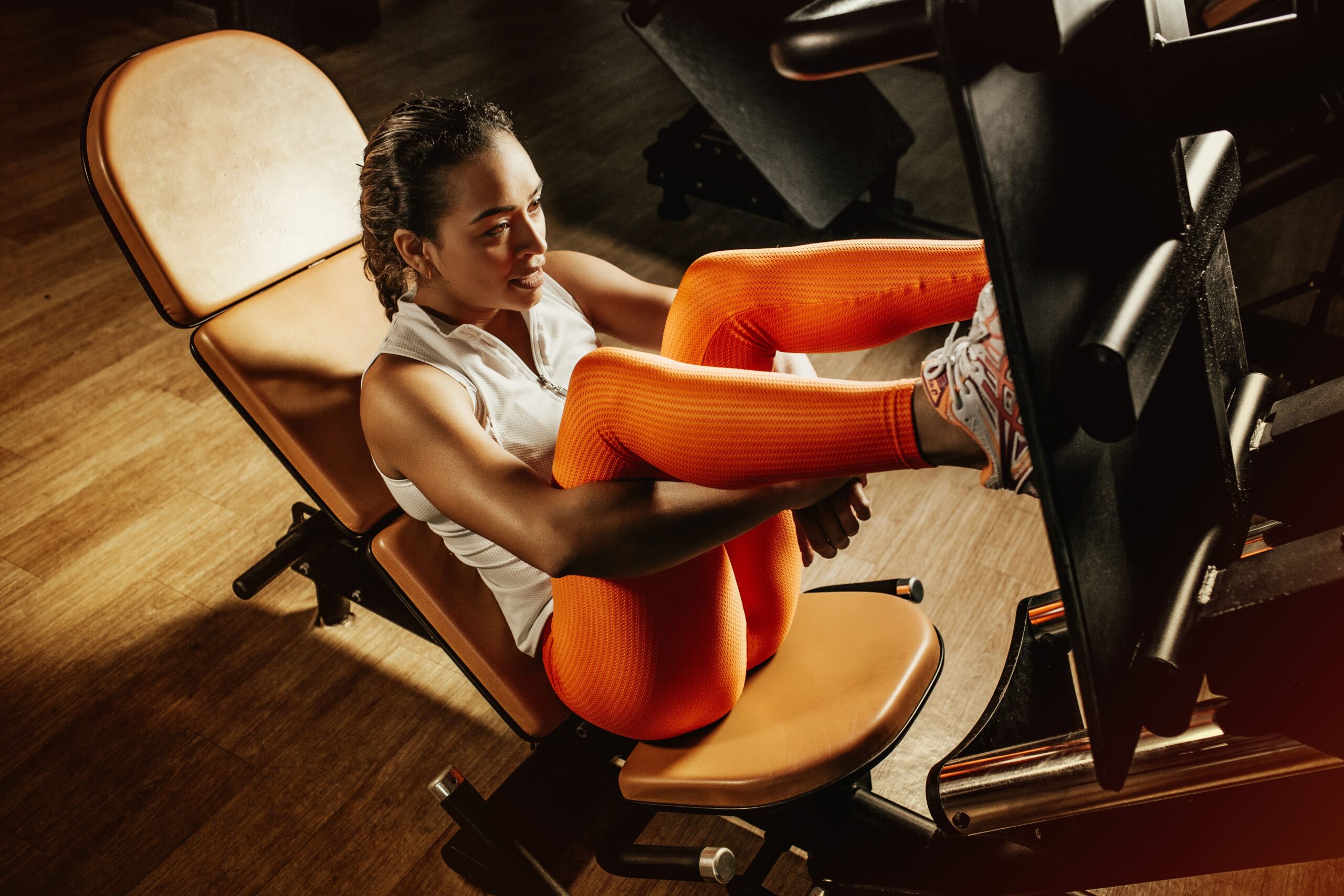
Question 1: Will it help me keep muscle?
This is the best-studied question, and it’s covered in depth in Does Creatine Help You Live Longer?. A 2026 meta-analysis of 11 randomized trials in generally healthy adults 60 and older found a small additional strength benefit from creatine plus resistance training, rated moderate-certainty evidence. The pooled effects on muscle mass and physical function were not statistically clear and were rated low or very low certainty. The authors cautioned against extending the result to adults who are frail, have substantial age-related muscle loss or have difficulty with everyday physical tasks.
A separate 2026 meta-analysis in postmenopausal women combined seven trials. Across five studies, creatine added 0.37 kg of lean mass (body tissue other than fat) on average; across three smaller studies it added 7.5 kg to the maximum weight women could press once on a leg-press machine. Benefits appeared mainly in trials using at least 5 g daily with resistance training, but that dose subgroup was exploratory and the review was not prospectively registered.
The key word is alongside. A two-year trial in São Paulo gave postmenopausal women with low bone mass either 3 grams of creatine a day or placebo, with no structured training program. Lean mass rose in both groups over time, but creatine added nothing. The authors concluded that the results refute the long-lasting notion that creatine on its own is osteogenic (bone-building) or anabolic (muscle-building) in the long run.
Taken together, these trials found a modest extra strength gain when creatine was added to training. They do not establish that creatine alone can reproduce the effects of training, and its added effect on muscle mass after 60 is not settled.
Question 2: Will it protect my bones?
Two long trials tested this directly in postmenopausal women.
The Brazilian trial tested a modest daily dose without a training program. The Canadian trial paired a higher dose with resistance training three days a week and regular walking. Neither improved bone density. The exercise trial did report better hip-geometry measures and faster walking, but not added strength. See the trials side by side
In the Canadian trial, led by Philip Chilibeck and Darren Candow at the Universities of Saskatchewan and Regina, creatine affected two measures derived from bone images: section modulus, which estimates resistance to bending, and buckling ratio, which relates to structural stability. Both describe the femoral neck, the narrow part of the thighbone near the hip. Bone density did not improve. Whether those secondary geometry changes prevent hip fractures would require a larger and longer trial.
Candow reports industry ties. According to the paper’s disclosures, he has conducted industry-sponsored creatine research, received creatine donations and travel support, serves on the scientific advisory board of AlzChem, which manufactures creatine, and has served as an expert witness in legal cases involving creatine. The trial itself was funded by the Canadian Institutes of Health Research and the Canada Foundation for Innovation.
The bone picture, then: no density benefit in either trial, a possible structural benefit when combined with exercise, and no established fracture reduction.
How do the bone trials change the scope of the claims made for creatine after 50?
Question 3: Will it help my memory?
Muscles, it turns out, aren’t creatine’s only customers. Creatine is also used by the brain for energy, which is why it’s studied for cognition.
A 2024 meta-analysis in Frontiers in Nutrition pooled 16 randomized trials in adults aged about 21 to 76. It reported a small memory benefit, plus signals for attention time and processing speed, but not overall cognition or executive function (skills such as planning and switching between tasks); most outcomes were rated low certainty. Its subgroup analysis favored adults 18 to 60. A 2022 memory-specific meta-analysis reached the opposite age pattern, finding its larger signal in adults 66 to 76, with substantial differences between the studies. Subgroup findings this inconsistent should not be treated as proof of who benefits.
An earlier 2018 systematic review of six trials reached a similar place. Its authors wrote that creatine may improve short-term memory and intelligence or reasoning in healthy people, that its effect on other areas of thinking is still unclear, and that it should be tested in people with dementia or cognitive impairment.
That testing is at an early stage. The pilot results published in 2025 describe people with Alzheimer’s disease who received 20 g daily for eight weeks, with no placebo group. Most took the supplement as required; brain total creatine increased 11%, and several cognitive scores improved from baseline. Without a control group, those changes cannot show treatment efficacy, exclude improvements from repeating the tests or establish dementia prevention. A 2026 scoping review found no controlled human trial in dementia.
Which differences between the cognition trials matter before applying their findings broadly?

Question 4: What about my kidney tests?
This one never makes it onto the tub, but it may be the most practical of the four questions, because kidney function is part of routine blood work.
Creatine is partly converted to creatinine, the waste product most labs use to estimate kidney function (eGFR). A 2026 meta-analysis of 26 randomized trials found that creatine modestly raised blood creatinine and lowered the filtration rate estimated from that marker. But directly measured filtration did not differ significantly, nor did blood urea or protein in the urine, other kidney-related measurements. The substantial variation between studies and the limited duration of most trials mean the result should not be read as proof of long-term safety in every kidney condition.
Creatinine has known non-kidney influences. MedlinePlus lists muscle mass, diet, age and activity among factors that complicate interpretation. The National Institute of Diabetes and Digestive and Kidney Diseases says an equation combining creatinine and cystatin C, another blood protein used to estimate kidney function, is preferred when both markers are available because it is more accurate than creatinine alone.
So if you take creatine and your eGFR looks low, tell your clinician about the supplement and ask whether a cystatin C test makes sense. People who already have kidney disease should discuss creatine before starting it.
What’s Interesting
The two bone trials were designed in a way that makes them unusually informative together. One tested creatine without exercise; the other paired it with a demanding training program. Neither moved bone density. But only the exercise trial found any structural signal, and it also found faster walking. That pattern is consistent with creatine working, where it works, as a training partner rather than a stand-alone treatment. Less a solo act, more a supporting role.
It’s worth remembering who was in those studies. Both bone trials enrolled postmenopausal women, one group with low bone mass and the other with a mean age of 59, and the memory reviews disagreed about whether younger or older adults had larger benefits. Men, adults well past 60 and anyone who isn’t training may not respond the way those averages suggest. And since none of this research measured whether people live longer, the healthspan question and the lifespan question stay separate.
What This Means in Practice
- The strength finding comes from training studies. Current pooled evidence supports a small extra strength benefit when creatine is added to resistance training; effects on muscle mass and function after 60 remain uncertain.
- Bone density did not improve. Two-year trials found no density benefit; other bone-health evidence is covered in Protect Bone Density as You Age.
- Brain benefits remain preliminary at every age. Age-subgroup results conflict, and the Alzheimer’s study had no control group.
- Tell every clinician who orders kidney tests. Ask about cystatin C if your eGFR looks off.
- Check with a clinician first if you have kidney disease or take medications that affect the kidneys.
A primary care clinician can review kidney function and medications. A physical therapist or qualified trainer can set up the resistance program that the positive trials depended on. Dose and form basics are in Does Creatine Help You Live Longer?
Bottom Line
After 50, creatine’s benefits are narrower than the pitch. Current pooled evidence supports a small extra strength benefit during resistance training; added muscle mass and physical-function effects after 60 remain uncertain, although a postmenopausal-women analysis found small gains mainly in training studies. Two-year trials found no bone-density benefit, with only a possible hip-geometry signal alongside exercise. Cognitive findings are preliminary and age-subgroup results conflict. Creatine can also raise creatinine and make a creatinine-based kidney estimate look worse without a clear change in directly measured filtration. No trial shows it extends lifespan or prevents fractures. If you take it, tell your clinician before kidney testing.
A NOTE FROM LONGEVITY365
We read research, consult expert perspectives and work to make complicated health information easier to understand. What you’re reading here reflects how we’ve interpreted and organized that information. It is educational content—not personal medical advice, diagnosis or treatment guidance.
We’re not perfect, and neither is the available research. Evidence changes, new studies emerge and what’s appropriate for one person may not be appropriate for another.
Use this article as a starting point for your own research and conversations with qualified professionals. Always talk with your doctor or another trusted healthcare professional before making decisions that could affect your health, particularly if you take medications, are receiving treatment, have existing health conditions, are pregnant or have other circumstances that could affect what’s appropriate for you.
Reader Questions
A few questions to carry into the comments or your next conversation. Please leave out identifying or personal medical details.
- 01What would you want to know before putting "Creatine After 50" into the same conversation as sleep, food, movement, and medical care?
- 02Which evidence boundary stood out most: lifespan, function, symptoms, biomarkers, dose, safety, or who was actually studied?
- 03What question would help keep a supplement conversation grounded instead of turning it into a shopping list?
Extra Insights & Sources
The evidence summaries and linked sources behind this article.
What We Know
- Creatine plus resistance training produces a small added strength gain in generally healthy adults 60 and older. Supported (moderate certainty); extra muscle mass and function remain uncertain in that analysis.
- Creatine alone, without training, didn’t add lean mass or bone over two years in older women. Supported.
- Two-year trials in postmenopausal women found no bone-density benefit. Supported.
- Creatine can raise creatinine and distort creatinine-based kidney estimates. Supported.
What We Don’t Know
- Whether creatine reduces falls, fractures or disability after 50. Unknown.
- Whether creatine improves memory meaningfully in adults over 60 or affects dementia. Preliminary; subgroup findings conflict and no controlled dementia trial exists.
- Whether the hip-geometry changes seen with exercise translate into fewer fractures. Unknown.
- Whether creatine affects lifespan. Unknown.
Detailed trial results
The bone trials side by side
The dose unit g/day means grams per day; g/kg/day means grams per kilogram of body weight per day. The latter describes a weight-based research dose, not a personal dosing instruction.
| Trial | Who | Creatine dose | Training | Bone density result | Other findings |
|---|---|---|---|---|---|
| Sales et al., 2020 | 200 women with osteopenia, Brazil | 3 g/day for 2 years | None | No effect at spine, femoral neck or total hip | No effect on falls, fractures, lean mass or function |
| Chilibeck et al., 2023 | 237 women, mean age 59, Canada | 0.14 g/kg/day for 2 years | Resistance training 3 days/week plus walking | No effect at femoral neck, total hip or spine | Better femoral-neck geometry; faster 80-meter walk; no added strength |
A 2024 meta-analysis in Frontiers in Nutrition pooled 16 randomized trials with 492 participants aged about 21 to 76. It reported improved memory (SMD 0.31), attention time and processing speed, but not overall cognitive function or executive function. SMD, the standardized mean difference, puts results from different tests on one scale; 0.31 is a small effect. The authors rated memory evidence moderate certainty and most other outcomes low certainty. A 2025 corrigendum corrected wording about attention scores but did not change the memory result. The age subgroup favored 18–60, whereas a separate memory meta-analysis favored adults 66–76; neither subgroup resolves the age question.
Sources
In these summaries, g is a standardized effect size, putting differences measured in different ways onto a common scale; it is distinct from g meaning grams in a dose. A 95% CI is a 95% confidence interval, an uncertainty range around the estimated effect. For standardized differences such as g and SMD, 0 means no difference. I² describes the percentage of variation in study estimates attributed to differences between studies rather than chance; a high value warns that the study results vary substantially.
- 2026 resistance-training meta-analysis — Three-level meta-analysis of 11 randomized trials in generally healthy adults aged 60 and older, searched through May 2026. Creatine added a small strength benefit to resistance training (g 0.31, 95% CI 0.18–0.45; moderate certainty), while muscle-mass and physical-function effects were not statistically significant and had low or very low certainty. It should not be extrapolated directly to frail or sarcopenic adults; authors declared no commercial conflicts.
- 2026 postmenopausal-women meta-analysis — Seven randomized trials, 608 participants, durations 12–104 weeks and mean age about 62. Lean mass increased by 0.37 kg across five studies and leg-press strength by 7.5 kg across three; bone density was unchanged. Benefits appeared mainly with at least 5 g daily plus resistance training, but subgrouping was exploratory, risk of bias was mostly rated as some concerns and the review was not prospectively registered.
- Sales et al. two-year trial — Randomized, placebo-controlled trial of 200 postmenopausal women with osteopenia in Brazil, using 3 g daily without a structured exercise program. At 12 and 24 months, creatine did not improve bone density, microarchitecture, lean mass, strength, function, falls or fractures. It tests one low-dose, no-training regimen in women with low bone mass.
- Chilibeck et al. two-year trial — Randomized trial of 237 postmenopausal women, mean age 59, receiving 0.14 g/kg/day or placebo during resistance training three days weekly and walking six days weekly. Femoral-neck, total-hip and spine bone density did not improve; secondary hip-geometry measures and 80-meter walking time favored creatine, while strength did not. The study was not powered for fractures. Canadian public agencies funded it; Darren Candow disclosed creatine-industry research, donations, travel, advisory work and expert-witness work.
- 2024 cognition meta-analysis and 2025 correction — Sixteen randomized trials, 492 participants aged about 21–76. The review reported a small memory effect and signals for attention time and processing speed, but not overall cognition or executive function; evidence was low certainty for most outcomes. Its age subgroup favored 18–60. The correction changed attention-score wording, not the memory result.
- 2022 memory meta-analysis — Eight randomized trials in the quantitative synthesis found a small overall memory effect (SMD 0.29) and a larger subgroup result in adults 66–76 (SMD 0.88), opposite the age pattern in the 2024 review. Heterogeneity in the older subgroup was high (I² 83%), so the apparent age difference is not settled.
- 2018 cognition systematic review — Six small randomized trials in healthy participants suggested possible short-term memory and reasoning effects but insufficient evidence for other cognitive domains. The review called for clinical-population trials; it does not establish dementia prevention or treatment.
- Alzheimer’s single-arm pilot — Twenty patients, mean age 73.1, received 20 g daily for eight weeks without a control group. Nineteen met the adherence target, brain total creatine rose 11% and several cognitive scores improved from baseline. Practice effects, regression to the mean and natural change cannot be excluded. Public and nonprofit grants supported the study; Life Extension donated creatine, and several investigators disclosed outside research or consulting relationships.
- 2026 dementia scoping review — Found only one human pilot trial plus laboratory and animal studies, and no controlled human dementia trial. The evidence types were explicitly separated; preclinical results cannot establish a human cognitive benefit.
- 2026 kidney meta-analysis — Twenty-six randomized trials with 1,036 participants, including healthy people and some with chronic kidney disease. Creatine increased serum creatinine by 0.14 mg/dL and reduced creatinine-estimated GFR, but chromium-51 EDTA-measured filtration, serum urea, albuminuria and proteinuria did not differ significantly. Creatinine heterogeneity was high and most trials were not long-term kidney-safety studies.
- MedlinePlus creatinine test — National Library of Medicine patient guidance explaining that muscle mass, diet, age and activity affect creatinine, so creatinine alone can misrepresent kidney function in some contexts.
- NIDDK adult eGFR equations — Federal technical guidance stating that the combined 2021 CKD-EPI creatinine–cystatin C equation is preferred when both markers are available because it is more accurate than creatinine alone. It supports clinician interpretation, not self-diagnosis.
Photo credits
Images from Pexels.
- featured: Photo by MART PRODUCTION — original Pexels photo.
- inline-1: Photo by RDNE Stock project — original Pexels photo.
- inline-2: Photo by Jonathan Borba — original Pexels photo.
Leave a Reply