
Biological Age Tests
What Is My Biological Age?
Biological age is an estimate of body wear built from DNA methylation, routine blood values or physical function. What each measures, costs and can't say.
A birthday tells you how many years you’ve been around. It says less about how those years have treated you. That gap now has a small industry attached: mail-in kits that read your DNA and hand you a second, unofficial age. Which sounds a little like science fiction. It’s also real science, with real limits. Humanic Blue is taking a closer look at what that second age can actually mean.
Your biological age is an estimate of how much wear your body shows compared with other people your calendar age. It isn’t one measurement. It’s a family of them: DNA-based “epigenetic clocks” that read chemical patterns on DNA, scores built from routine blood tests, physical tests such as grip strength and walking speed, and wearable estimates. They often disagree. The scientists who built the clocks say they predict well across large groups but can’t yet say much about one person, and no trial has shown that lowering the number helps anyone live longer.
The cheapest route is bloodwork you may already have, run through Morgan Levine’s published PhenoAge formula. Paid methylation kits cost about $299–$499 in the US and roughly £170–£690 in the UK for one-off tests (one membership runs about £699 a year) as of September 25, 2026.
In This Article
- Odometer or speedometer: what the number actually is
- Five kinds of test sell under one name
- A rough version may be hiding in bloodwork you already have
- DNA kits cost $299 to $499, and the FDA doesn’t review them
- The clockmakers don’t equate a younger number with a longer life
- The same sample can come back years apart
- NHS, EU or private?
- The papers, numbers and disclosures behind all of this
Key Takeaways
- Biological age is a family of estimates, not one measurement: DNA clocks, blood-test scores, physical tests and wearables, and they often disagree. Supported.
- DNA clocks predict health and mortality patterns across large groups, but researchers say they are not yet reliable personal forecasts. Supported at group level; unknown for an individual.
- Repeat results can move because of laboratory noise, sample type and short-term changes in the body. Supported.
- Grip strength, walking speed and treadmill fitness have decades of human outcome data behind them. Established as predictors, not personal expiration dates.
- No trial shows that lowering a clock number helps anyone live longer. Unknown.
Is biological age an odometer or a speedometer?
Daniel Belsky, an epidemiologist at Columbia University’s Butler Aging Center and a co-developer of DunedinPACE, offers a useful way into the category: some tests are odometers, while others are speedometers. An odometer-style clock estimates how much aging has accumulated. A speedometer-style clock estimates the current pace.
That sounds wonderfully tidy. The biology is less cooperative. Matt Kaeberlein, a University of Washington affiliate professor and CEO of the healthspan company Optispan, argues that DNA clocks read methylation patterns associated with age and health; they do not directly measure an invisible substance called biological age. The number is an estimate built from a model—not a second birth certificate your body forgot to mention.
Belsky’s DunedinPACE is licensed to TruDiagnostic, and he occasionally advises the company. Kaeberlein also has a commercial healthspan role. Those interests do not erase their explanations, but they belong next to them. How the clocks and conflicts fit together
What difference would it make if an aging report described accumulated change rather than its pace?
Which biological age test is which? Clocks, blood composites, function tests and wearables
Five quite different kinds of test share the name “biological age”:
- Epigenetic clocks (odometers). Horvath’s clock, PhenoAge and GrimAge read chemical tags on DNA, called methylation, using blood or saliva samples. Their purposes differ: Horvath’s 2013 clock mainly estimates calendar age; PhenoAge and GrimAge were built around patterns related to health and mortality. US kits run $299–$499.
- Epigenetic pace (speedometer). DunedinPACE uses a blood sample to estimate the pace of aging. Researchers built it from 20 years of changes in organ function among New Zealanders born in the same year. It comes bundled in TruDiagnostic’s $499 kit.
- Blood-chemistry scores. Levine’s phenotypic age and InsideTracker’s InnerAge, built from a routine blood panel. They cost what the bloodwork costs; InnerAge is a $99 add-on.
- Physical tests. Walking speed, grip strength and treadmill fitness. Free, up to the price of a treadmill test, and backed by very large studies.
- Wearables. Oura’s Cardiovascular Age and WHOOP Age, from a ring or strap. Backed mainly by the companies’ own materials.
The clocks, one at a time
The clocks do not all have the same assignment. Steve Horvath’s 2013 multi-tissue clock was trained largely to estimate calendar age. Morgan Levine’s PhenoAge connected routine blood markers with mortality patterns, then taught a DNA model to estimate that profile. GrimAge uses methylation patterns related to smoking and several blood proteins. DunedinPACE was trained on two decades of change across organ systems in one New Zealand birth cohort.
So two companies can test the same person and disagree without either one necessarily making an arithmetic error. They may be answering different questions in different units. GrimAge asking about mortality patterns and DunedinPACE asking about pace is less like two bathroom scales disagreeing and more like a scale arguing with a speedometer. See how each clock was built
The physical tests
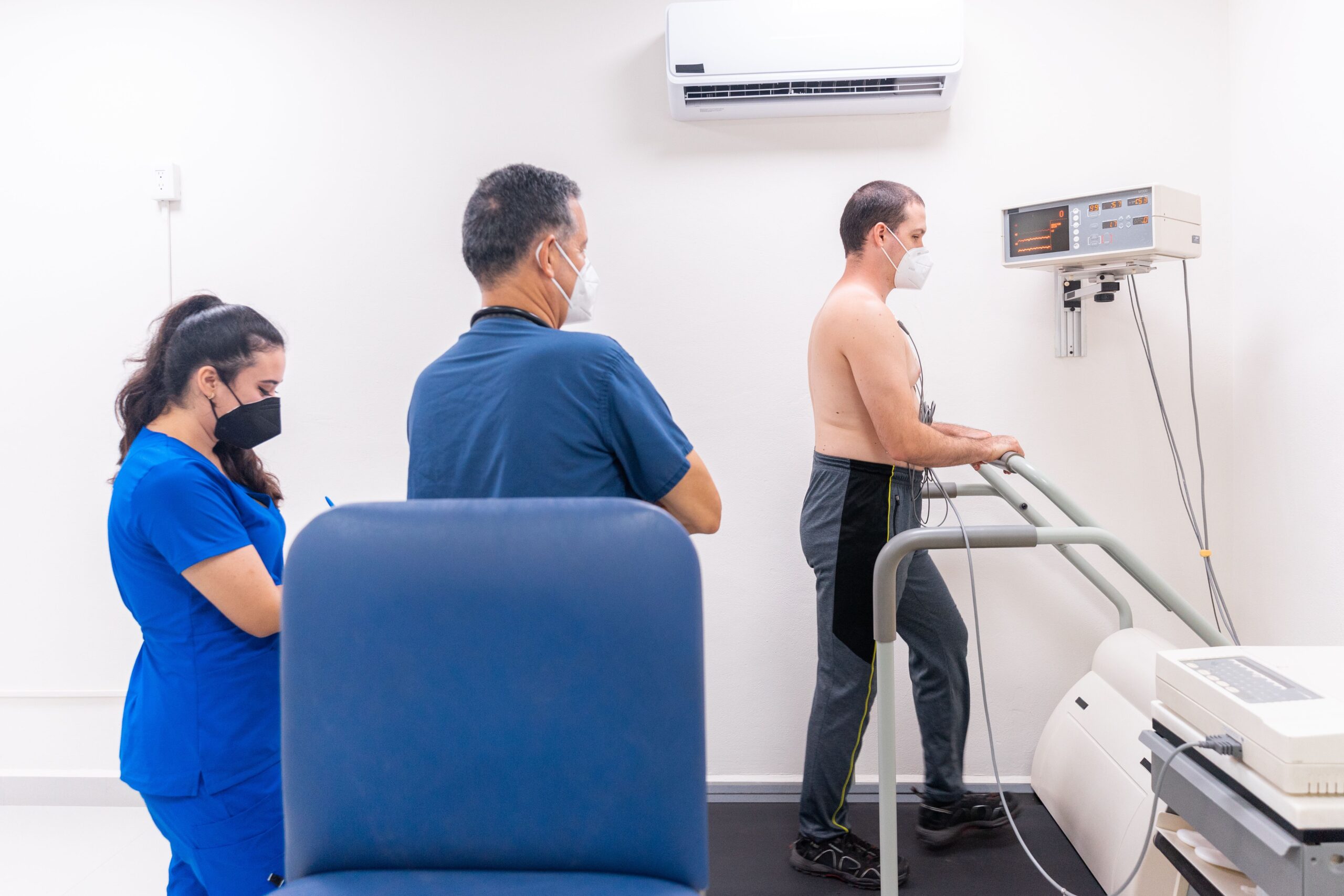
The oldest measures are the gloriously unglamorous elders of this field: walking speed, grip strength and treadmill fitness. Analyses covering roughly 34,000 to 140,000 people found that better performance tracked with longer survival.
None of those tests produces a biological age. They simply measure things the body can do—and predict some of the outcomes a biological-age score is supposed to anticipate. Those analyses report associations, not proof that squeezing a hand gripper or walking faster will extend a life. The study details
The wearables
Wearables estimate something narrower than the name may suggest. Oura’s Cardiovascular Age is about the heart and blood vessels, using the ring’s pulse signal. WHOOP Age combines nine sleep, activity and fitness measures and calls the result a functional or physiological age.
Neither is a DNA clock or a whole-body diagnostic. Oura explicitly says its ring is not a medical device, while WHOOP’s evidence here comes from its own white paper, produced with support from the Buck Institute. What each wearable uses
Can I get my biological age from a normal blood test for free?
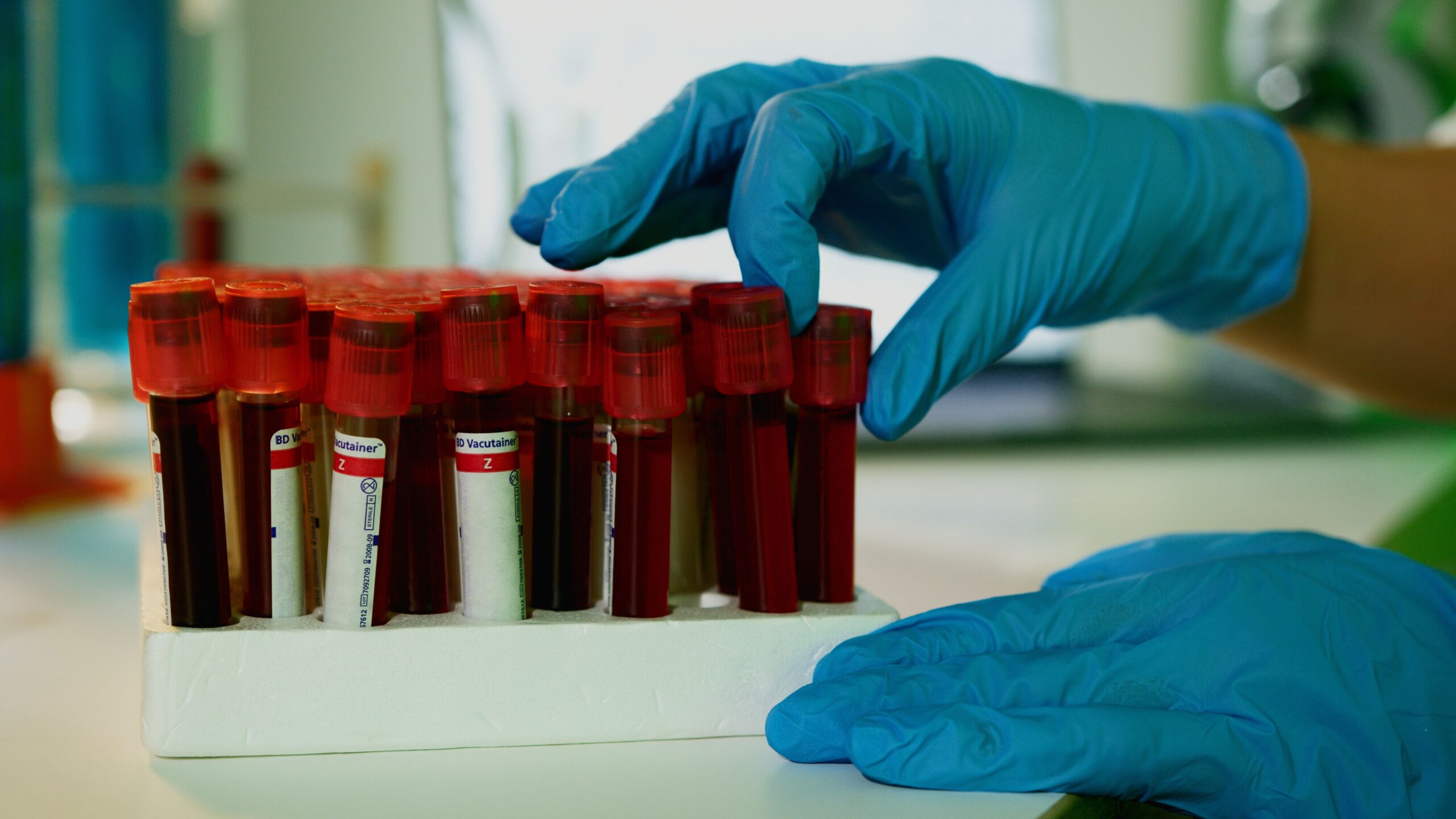
Close to it. Levine’s phenotypic-age calculation uses nine routine blood values plus your calendar age. In the US, that roughly means a comprehensive metabolic panel, a complete blood count with differential and CRP, an inflammation marker. You may already have most of it sitting in a patient portal, quietly waiting for someone to remember the password.
The formula is published, and researchers Dayoon Kwon and Daniel Belsky released a free BioAge toolkit. It is built for research data rather than casual phone tapping, however, and we have not verified the consumer calculators based on it. Paid services can do similar arithmetic with proprietary formulas, but that produces a blood score—not a DNA clock. The nine markers, prices and fine print
How much does an epigenetic age test cost, and what do I actually get?
Prices checked September 25, 2026 ranged from $299 for Elysium’s saliva-based Index to $499 for TruDiagnostic’s finger-prick TruAge test. UK examples ran from about £170 for a saliva test to £690 plus VAT for a blood test with a consultation; one membership cost about £699 a year. Prices wander, so check the seller before buying.
The sample matters. “When you apply a blood-trained clock to saliva without correction, the errors can be substantial,” clock developer Steve Horvath told The Scientist. A cheaper spit kit is not automatically the same product in a friendlier tube.
These are wellness products, not FDA-reviewed diagnostic tests. The FDA says low-risk or general-wellness direct-to-consumer tests generally are not reviewed before sale. Horvath also said the field still lacks agreed reference standards. Translation: you can buy a very precise-looking number before scientists have agreed on the ruler. Vendor details, commercial ties and regulatory wording
If my biological age comes back ten years younger, will I live longer?
This is where the people who built and study the clocks get quiet and precise. Northwestern cardiologist Douglas Vaughan told NBC that a result ten years younger “makes for great cocktail party conversation,” but said epigenetic age measurement was not ready for general consumers. Chiara Herzog, an aging researcher at King’s College London, was equally direct with MIT Technology Review: “They’re not yet individually predictive.”
That distinction is the whole game. A clock may help researchers identify risk patterns across thousands of people without being able to tell you how long you will live. Different clocks can also give one sample very different ages, and no shared standard tells companies which answer should win. For you, a younger result is a younger result on one clock, on one day. Nice news, perhaps. Not a notarized extension of your lifespan.
Researchers also advise looking at what a testing company sells alongside the test, particularly supplements or memberships. That is a reason to inspect incentives, not proof that any particular lab is doing something wrong. A younger clock reading is not the same thing as slower aging, and neither has yet been shown to add years to a human life.
The experts in their own words
When a clock actually moved
The intervention trials make the distinction easier to see. In CALERIE, healthy adults were assigned either a calorie-restriction target or their usual diet for two years. DunedinPACE slowed by 2–3%, but the other clocks did not move. Two authors, including Belsky, are inventors on DunedinPACE.
In the two-year COSMOS trial in older adults, a daily multivitamin modestly slowed two of five clocks, while cocoa extract changed none. The authors called the effects “statistically significant but small,” and industry groups supplied pills or DNA-analysis support. Neither trial tested whether changing a clock helped anyone live longer. How the trials worked
What evidence would connect a younger clock reading with more years of life?
How much can the same test’s number move if I retake it?
If your result came back older than you expected, start here.
Quite a lot. In a 2022 paper, Albert Higgins-Chen, Morgan Levine and colleagues found that laboratory noise alone could shift six familiar clock results by as much as nine years. A noise-filtering method brought most repeat results to within roughly 1.5 years. Those improved metrics are licensed through Yale to Elysium Health.
Newer work suggests many clocks now repeat well inside the lab, while the person supplying the sample remains inconveniently alive and variable. Meals, stress, air pollution and sample type can all move the reading. Some researchers involved in that work have consulted for TruDiagnostic or are inventors on a clock they evaluated.
Christopher Hine runs a lab at Cleveland Clinic Research. Speaking to NBC News, he supplied the useful rule: “Only doing it once isn’t so telling.” One reading is a dot. A repeat on the same clock, using the same sample type and lab, begins to make a line. Retest results and researcher disclosures

Is biological age testing available on the NHS, in the EU, or only privately?
In the UK, epigenetic or biological-age testing is private rather than a routine NHS service. The free NHS Health Check does offer some of the less glamorous—and more established—underlying measures, including blood pressure and cholesterol and, for some people, blood sugar. It will not calculate the full PhenoAge score.
In the US, consumer clocks sit in the wellness category rather than being FDA-reviewed diagnostics. We found retailers in the EU, Canada and Australia but did not verify their current prices or regulatory status, so we are not treating availability as approval.
What’s Interesting
GrimAge uses DNA methylation patterns associated with smoking history as one of its ingredients. That is an estimate from chemical patterns, rather than a direct record of every cigarette. The speedometer clock was trained on two decades of organ change in one birth cohort, and it was the only clock that moved in the CALERIE calorie-restriction trial.
The oldest measures cost nothing: measured grip strength outperformed blood pressure as a predictor of death in one very large study, and a walk down a corridor tracked survival in another. And the newest measures, on your wrist, are lifestyle report cards that WHOOP itself describes as a “functional” age. The industry’s word “biological age” is doing a lot of work across five very different instruments. It may deserve a raise.
What This Means in Practice
Three kinds of readers tend to land here.
If a number worried you: one reading cannot show whether your result is rising or falling. The clock, sample type and lab help explain what the number measures and how much it may vary. A clinician can help put it beside familiar measures such as glucose, lipids, fitness and strength—the boring adults in the room, which is often a compliment.
If you enjoy tracking: differences between clocks, sample types and labs can make two results difficult to compare. The size of a change matters too: in CALERIE, DunedinPACE moved only 2–3% over two years. The published PhenoAge calculation uses routine bloodwork, but measures something different from a DNA clock.
If you are deciding whether to test: researchers Idan Shalev and Abner Apsley write that these clocks can give faulty individual results and do not meet the standards of common medical tests. A methylation kit can satisfy curiosity. It should not outrank routine care or functional measures.
Whatever you choose, keep the category rule in front of you: a younger score is a younger score on one instrument. Nobody quoted here equates it with a longer life.
One more thing worth saying out loud: every clock learned from particular people. DunedinPACE began with about 1,000 New Zealanders born in 1972–73; PhenoAge’s blood formula used about 10,000 US adults; the walking-speed findings came from adults 65 and older. If you differ from those groups, the comparison crowd may not look much like you. That is not a flaw in you. It is a boundary of population science.
The broader distinction is unpacked in Biological Age vs. Chronological Age, while Best Biological Age Tests compares the main testing approaches.
If a test is already sitting in your inbox, What To Do With a Biological Age Result turns the number into a set of questions rather than a verdict.
Bottom Line
Biological age, then, is a family of estimates, not a fact about you, and the family disagrees. The clocks predict well in crowds and uncertainly in individuals. The cheapest measures rest on some of the biggest studies in this article. And the open question, whether moving a number helps anyone live longer or stay healthy longer, hasn’t been tested in any trial.
The question before buying a $299–$499 kit is what its answer would change. PhenoAge uses nine routine blood markers; grip strength and walking speed measure physical function. These approaches answer different questions, and none can turn a clock score into a personal lifespan forecast.
Questions for a GP or internist can be specific: which blood values are outside the laboratory’s usual range? What might explain them? Would retesting answer a health question? If so, how would the clock, sample type and lab affect the comparison?
A NOTE FROM LONGEVITY365
We read research, consult expert perspectives and work to make complicated health information easier to understand. What you’re reading here reflects how we’ve interpreted and organized that information. It is educational content—not personal medical advice, diagnosis or treatment guidance.
We’re not perfect, and neither is the available research. Evidence changes, new studies emerge and what’s appropriate for one person may not be appropriate for another.
Use this article as a starting point for your own research and conversations with qualified professionals. Always talk with your doctor or another trusted healthcare professional before making decisions that could affect your health, particularly if you take medications, are receiving treatment, have existing health conditions, are pregnant or have other circumstances that could affect what’s appropriate for you.
Reader Questions
A few questions to carry into the comments or your next conversation. Please leave out identifying or personal medical details.
- 01After reading this, what would you want a test result to actually help you decide?
- 02Which distinction changed how you read the evidence: "Is biological age an odometer or a speedometer" or "Is biological age testing available on the NHS, in the EU, or only privately"?
- 03What would you ask a clinician, lab, or qualified professional before letting a number change a health decision?
Extra Insights & Sources
For readers who want the details behind each claim above.
What We Know
- Epigenetic clocks predict mortality and disease at the population level. Levine’s PhenoAge showed a 4.5% rise in all-cause mortality per year of methylation age, pooled across several study groups; GrimAge “stands out” for time-to-death across 6,935 people. Supported.
- DunedinPACE repeats almost exactly in the lab (ICC 0.96) and moved by 2–3% in one two-year randomized trial. Supported for technical reliability; Preliminary as an intervention endpoint.
- Grip strength, gait speed and treadmill fitness predict survival in cohorts of 34,000 to 139,000 people, followed for a median of 4 years (grip) up to as long as 21 years (walking speed). Established.
- Technical noise on uncorrected clocks produced deviations of up to 9 years between replicates; principal-component versions agree within about 1.5 years. Supported.
What We Don’t Know
- What a single person’s clock reading means for that person. Herzog: “We don’t know what [a clock result] means for a person.” Unknown.
- Whether lowering an epigenetic age number changes when you die or how long you stay healthy. No trial has tested it. Unknown.
- Which clock is “right.” Horvath says the field lacks “reference standards”; MIT Technology Review reports that one sample through five clocks gives “five wildly different results.” Contested.
- How much day-to-day biology, rather than the lab, moves your number. Sehgal’s group reports that clocks can be precise in the lab yet unstable in the body. Preliminary.
The five kinds of test, side by side
| Type | Examples | Sample | Built from | Most-cited evidence | Cost seen (Sept 2026) |
|---|---|---|---|---|---|
| Epigenetic clock (odometer) | Horvath 2013, PhenoAge, GrimAge | Blood or saliva | DNA methylation at thousands of CpG sites (the DNA spots where the tags attach) | Large cohorts: predicts mortality at population level | $299–$499 (US kits) |
| Epigenetic pace (speedometer) | DunedinPACE | Blood | Methylation trained on 20 years of organ-function change | Test-retest ICC 0.96; moved in a randomized trial | Bundled in TruAge ($499) |
| Blood-chemistry composite | Levine’s Phenotypic Age; InsideTracker InnerAge | Routine blood panel | 9 standard lab values plus age (PhenoAge); proprietary set (InnerAge) | PhenoAge: built on 9,926 US adults | Cost of a blood panel; InnerAge $99 add-on |
| Functional measure | Gait speed, grip strength, VO2max-type fitness | You, in a room | Physical performance | Very large prospective cohorts, 4 to 21 years of follow-up | Free to a treadmill test |
| Wearable estimate | Oura Cardiovascular Age, WHOOP Age | Ring or strap | Pulse-wave shape (Oura); 9 lifestyle and fitness metrics (WHOOP) | Company materials; no independent validation cited here | Device plus membership |
How each clock was built
Horvath’s clocks. NBC reports that Horvath helped develop the first epigenetic clock in 2011 using saliva, and that it holds a US patent. His full comment: “nobody uses this clock — nobody, including me,” Horvath said. “It just wasn’t good enough.” His 2013 Genome Biology paper built a multi-tissue age predictor from 8,000 samples in 82 datasets, covering 51 healthy tissues and cell types; the clock uses 353 CpG sites, per the paper’s abstract. NBC describes Horvath as a professor of human genetics and biostatistics at UCLA’s David Geffen School of Medicine; The Scientist described him as a principal investigator at Altos Labs when he spoke at the Precision Medicine World Conference 2026.
PhenoAge (Levine et al., Aging, 2018). Step one used NHANES III, a nationally representative US survey with more than 23 years of mortality follow-up: 9,926 adults with complete biomarker data. Researchers used a statistical model to examine how 42 clinical markers and chronological age related to deaths during follow-up. They selected nine markers for the phenotypic-age calculation. That blood-based phenotypic age was validated in 6,209 NHANES IV adults with up to 12 years of mortality follow-up, where it correlated with chronological age at r = 0.94. The methylation version, DNAm PhenoAge, was then tested in other cohorts: “A one-year increase in DNAm PhenoAge is associated with a 4.5% increase in the risk of all-cause mortality” (fixed-effect meta-analysis 1.045, p = 7.9E-47, adjusted for chronological age). Conflicts of interest, per the paper: “The Regents of the University of California is the sole owner of a provisional patent application directed at this invention for which MEL, SH are named inventors.”
GrimAge (Lu et al., Aging, 2019). GrimAge is “a composite biomarker based on the seven DNAm surrogates and a DNAm-based estimator of smoking pack-years.” The surrogates are methylation patterns that stand in for seven plasma proteins, including PAI-1 and GDF-15. Validation used 7,375 blood methylation arrays from 6,935 people in five cohorts (about 50% European ancestry, 40% African American and 10% Hispanic). The authors write that it “stands out among existing epigenetic clocks in terms of its predictive ability for time-to-death” (Cox regression p = 2.0E-75). The paper states the University of California owns a provisional patent application on it, with Lu and Horvath named as inventors.
DunedinPACE (Belsky et al., eLife, 2022). The Dunedin Study follows all 1,037 babies born in Dunedin, New Zealand, between April 1972 and March 1973 (91% of eligible births; 52% male). The team modeled the decline in 19 indicators of organ-system integrity across four time points spanning two decades, then distilled it into a single-time-point blood test and evaluated it in five more datasets. On technical replicates, “reliability was excellent (ICC = 0.96 [0.93–0.98]),” compared with 0.89 for the earlier DunedinPoAm. ICC, the intraclass correlation coefficient, is a score from zero to one for how closely repeat measurements agree. Funding came from the US National Institute on Aging and the UK Medical Research Council. Competing interests, per the paper: Belsky, Moffitt, Caspi, Sugden and co-authors are “listed as inventors on a Duke University and University of Otago invention that was licensed to a commercial entity.” NBC reported in April 2026 that DunedinPACE “is now exclusively licensed to TruDiagnostic, a company that sells biological age tests and for which Belsky is an occasional adviser.”
The physical tests in detail
Walking speed (Studenski et al., JAMA, 2011). A pooled analysis of nine cohort studies collected between 1986 and 2000: 34,485 community-dwelling adults aged 65 or older, mean age 73.5, 59.6% women and 79.8% white, followed for 6 to 21 years; 17,528 died. Gait speed was associated with survival in every study: pooled hazard ratio 0.88 per 0.1 m/s (95% CI, 0.87–0.90; P < .001). A hazard ratio compares one group’s risk with another’s over the study; below one means lower risk. At age 75, predicted 10-year survival across the range of gait speeds ran from 19% to 87% in men and 35% to 91% in women. Several authors reported grants or consulting fees from drug companies, including Merck.
Grip strength (Leong et al., PURE, The Lancet, 2015). Of 142,861 people enrolled in 17 countries between 2003 and 2009, 139,691 aged 35–70 with known vital status were analyzed; over a median of 4.0 years, 3,379 (2%) died. Each 5 kg lower grip strength carried a hazard ratio of 1.16 for all-cause death (95% CI 1.13–1.20) and 1.17 for cardiovascular death. The authors reported that grip strength was a stronger predictor of all-cause and cardiovascular mortality than systolic blood pressure, and called for research testing whether improving strength reduces mortality and cardiovascular disease. (Note 1)
Fitness (Mandsager et al., JAMA Network Open, 2018). A retrospective Cleveland Clinic cohort of 122,007 consecutive adults referred for treadmill testing between 1991 and 2014 (mean age 53.4; 59.2% male), followed for a median of 8.4 years; 13,637 died. Fitness was measured as peak estimated metabolic equivalents on the treadmill, not directly measured VO2max. Elite versus low performers had an adjusted hazard ratio of 0.20 (95% CI 0.16–0.24). In the paper’s key points, “cardiorespiratory fitness was inversely associated with all-cause mortality without an observed upper limit of benefit.” The authors reported no conflicts of interest.
What each wearable uses
Oura says Cardiovascular Age is “an estimate of the health of your cardiovascular system in relation to your actual age,” calculated from an estimated pulse wave velocity and age-related changes in the shape of the heartbeat signal; the ring does not measure pulse wave velocity directly. The app shows a chart against your actual age and three levels: Below (6 or more years below your actual age), Aligned (up to 5 years above or below) and Above (6 or more years above). The page adds that “Oura Ring is not a medical device and is not intended to diagnose, treat, cure, monitor, or prevent medical conditions or illnesses.”
WHOOP’s 2025 Healthspan white paper says it “was made possible through the collaboration and support of the Buck Institute for Research on Aging,” with a foreword by the institute’s CEO, Eric Verdin, MD. It states: “WHOOP uses 9 key metrics spanning 3 domains to calculate your WHOOP Age,” namely sleep duration and consistency; steps, heart-rate-zone time and strength activity; and VO2 Max, resting heart rate and lean body mass percentage, based on the last six months of data. The paper says WHOOP Age is determined by estimating the all-cause mortality risk associated with a member’s data, and it describes the output as a single “‘physiological’ or ‘functional’ age.”
The free route, the paid kits and the regulators
The nine PhenoAge markers (Table 1 of Levine 2018): albumin, creatinine, serum glucose, C-reactive protein, lymphocyte percentage, mean cell volume, red cell distribution width, alkaline phosphatase and white blood cell count, plus chronological age. Matching them to a comprehensive metabolic panel, a CBC with differential and a CRP is our mapping, not a quoted source.
BioAge (Kwon and Belsky, GeroScience, 2021). The R package, at github.com/dayoonkwon/BioAge, implements Klemera-Doubal biological age, PhenoAge and homeostatic dysregulation, and is licensed under the GNU General Public License v3.0. The authors declared no competing interests.
InsideTracker InnerAge. The store page lists a $149-a-year membership and says “InnerAge analysis is $99 per calculation.” At minimum it needs “Albumin (Serum protein), Glucose (Blood sugar), LDL cholesterol (Cholesterol transporter), Triglycerides (Fats for energy storage).”
TruDiagnostic TruAge ($499). The product page describes “a quick, painless finger-prick” and results “within 3–4 weeks after our lab receives your sample.” Reports include OMICmAge (biological age), DunedinPACE (pace) and SYMPHONYAge (11 organ-system ages). A TruAge plus TruHealth combination costs $849.
Elysium Index ($299). Described as “a saliva-based DNA test” reporting a biological age, a cumulative rate of aging and nine system age scores. Elysium also sells supplements, including Basis.
UK prices (Lola Health, rechecked September 25, 2026; the page is undated). GlycanAge about £285 (an IgG-glycan test); Paar London £690 excluding VAT, including a consultation; epiAge about £170 (EUR 199) from saliva; StrideBioage about £699 a year, membership only.
Horvath on saliva and standards (The Scientist, 2026). “Saliva, by contrast, is a mixture of approximately 65 percent immune cells and 35 percent buccal epithelial cells,” he said in a follow-up interview. At the conference panel: “There’s no question that epigenetic clocks perform very well in epidemiological studies,” and “But what the field has not yet achieved is really what one would call reference standards. It’s not yet possible that you can go to different validated labs and get the same readout.” Herzog told MIT Technology Review that there are hundreds or even thousands of clocks out there.
The FDA’s wording (page content current as of December 20, 2019): “In general, direct-to-consumer tests for non-medical, general wellness, or low risk medical purposes are not reviewed by the FDA before they are offered.”
Topol on price (Scientific American, 2025): “You can run an epigenetic test in a very simple way for $10 or $20, but some of these companies are charging $200.”
The experts in their own words
Belsky (NBC News, April 5, 2026): “Most people’s values fall between 0.5 and 1.5. Even a 10% difference in the face of aging is a big deal. If you only age 11 months for every 12 that you live, that’s not bad.” On DunedinPACE: “[DunedinPACE] is your speedometer, tells you how fast you’re going.”
Vaughan (NBC News): “If you do a test and you find out that your biological age is 10 years younger than your chronological age, well, that makes for great cocktail party conversation. But what’s your cholesterol? What’s your blood pressure? If those kinds of things aren’t addressed, you’re going to have a problem.” And: “The data and the value of those kinds of tests is quite uncertain.”
Topol (Scientific American, July 14, 2025, interview by Lauren J. Young): “I haven’t seen their publications to be able to say with confidence that they are doing things right, and the lack of standards from one company to the next is disconcerting. They don’t want to shock customers by telling them that they’re 10 years older than their chronological age.”
Herzog (MIT Technology Review, October 14, 2025): “They’re not yet individually predictive. We don’t know what [a clock result] means for a person, [or if] they’re more or less likely to develop disease.”
Kaeberlein (Lifespan.io, March 23, 2026): epigenetic tests “don’t measure biological age. They measure DNA methylation status, which is correlated with chronological age (or disease risk or mortality), each of which is, in turn, correlated with biological age. Biological age tests are, at best, correlations to correlations. More importantly, outside of controlled research, their accuracy and precision are unknown.” His alternative: “We already have outstanding tools: glucose, insulin, lipids, DEXA, cardiac scans, VO₂max, strength and agility tests, cognitive assessments… the list goes on and on.” DEXA is a scan that measures bone density and body composition. His byline lists him as CEO of Optispan, Inc., and affiliate professor at the University of Washington.
Olshansky (Nature Aging, 2024, via AFAR). The analysis used national vital statistics from 1990 to 2019 for the eight countries with the longest-lived populations, plus Hong Kong and the United States. It found that survival to age 100 is unlikely to exceed 15% for females and 5% for males. The paper declares no competing interests; AFAR lists Olshansky as co-founder and chief scientist of Lapetus Solutions, Inc. The Medscape remark (June 20, 2025) is reported as a paraphrase; Medscape requires a login.
How the trials worked
CALERIE (Waziry et al., Nature Aging, 2023). CALERIE Phase 2 ran at three US centers. Of 238 eligible adults, 220 were randomized 2:1 to a calorie-restriction program (145) or their usual diet (75); men were 21–50 and premenopausal women 21–47, with body mass index 22.0–27.9. The prescribed target was 25% below each person’s baseline intake. DunedinPACE slowed by 2–3% at 12 and 24 months (standardized effects of about −0.29 and −0.25); PhenoAge and GrimAge did not change significantly. Columbia’s release adds that, in other studies, a change of that size “translates to a 10-15 percent reduction in mortality risk”; CALERIE itself did not measure deaths. Competing interests, per the paper: co-authors D.L. Corcoran and D.W. Belsky “are listed as inventors on a Duke University and University of Otago invention, DunedinPACE, that was licensed to a commercial entity.”
COSMOS (Li et al., Nature Medicine, 2026). A prespecified ancillary study of 958 participants (482 women, 476 men) tested a daily multivitamin-multimineral (Centrum Silver) and cocoa extract (500 mg cocoa flavanols a day) against placebo for two years, on five clocks: PCHannum, PCHorvath, PCPhenoAge, PCGrimAge and DunedinPACE. The multivitamin slowed yearly change by 0.113 years on PCGrimAge (95% CI −0.205 to −0.020; P = 0.017) and 0.214 years on PCPhenoAge (−0.410 to −0.019; P = 0.032), with a larger effect in people whose biological aging was already accelerated. Cocoa extract had no effect on any of the five. The authors described the effects as “statistically significant but small” and said further studies are needed to determine their clinical relevance. Per the paper, Pfizer Consumer Healthcare (now Haleon) and Mars Edge donated study pills and packaging, and FOXO Technologies provided in-kind donations to generate the DNA methylation data.
Retest numbers by clock
Higgins-Chen et al., Nature Aging, 2022 (senior author Morgan Levine): “technical noise produces deviations up to 9 years between replicates for six prominent epigenetic clocks.” Principal-component clocks, which use a statistical method to separate shared signal from noise, showed “agreement between most replicates within 1.5 years.” An earlier 2021 conference abstract from the same group put the spread at 3 to 9 years; one of its co-authors was at Elysium Health. Competing interests, per the 2022 paper: Levine and Higgins-Chen “have built epigenetic aging metrics involving the technology described in the present manuscript, and these metrics are licensed by Elysium Health through Yale University”; Elysium supplied paired blood and saliva replicate datasets but did not fund the study; Levine previously acted as a scientific adviser to Elysium and received consulting fees; Higgins-Chen received consulting fees from FOXO Technologies for unrelated work.
Sehgal et al., Aging Cell, 2026 (18 clocks). On technical replicates, the authors reported that most clocks reached excellent technical reliability (ICC above 0.9), with SystemsAge, GrimAge and the PC-based versions among the most stable, while earlier-generation clocks such as Hannum, PhenoAge and PCPhenoAge sat in the good range (ICC about 0.7–0.8). On biological repeats taken around meals, stress, pollution and altitude change, most clocks reached only moderate to good reliability (ICC about 0.4–0.7), no clock reached excellent, and GrimAge and DunedinPACE clustered near the lower end. The authors concluded that a clock can be precise in the lab yet biologically unstable, with values that swing widely after short-lived, reversible and minor exposures, such as one stressful event or simply a different time of day. Conflicts, per the paper: Sehgal and Higgins-Chen are co-inventors of the SystemsAge framework, which is the subject of a patent application; Higgins-Chen has received consulting fees from TruDiagnostic and FOXO Biosciences, and Sehgal from TruDiagnostic, LongevityTech.fund and Cambrian BioPharma.
Kaeberlein (Lifespan.io): “In my own experiment, the same sample sent to the same company produced biological age estimates nearly 15 years apart. Across multiple companies, the discrepancies were even larger.”
Shalev and Apsley (The Conversation, May 4, 2026; Shalev is an associate professor of biobehavioral health at Penn State, Apsley a postdoctoral researcher in molecular biology at Illinois): “Testing epigenetic age in saliva versus blood samples can yield substantially different results for the same person.”
Hine (NBC News): “Only doing it once isn’t so telling, because you don’t know if you’re [on] an upward trajectory or downward trajectory in terms of the rate of your aging.” NBC also reports his point that something as simple as a cold might influence results.
Sources
- Horvath S. DNA methylation age of human tissues and cell types, Genome Biology, 2013: doi 10.1186/gb-2013-14-10-r115
- Levine ME, et al. PhenoAge, Aging, 2018: PMC5940111
- Lu AT, et al. GrimAge, Aging, 2019: PMC6366976
- Belsky DW, et al. DunedinPACE, eLife, 2022: elifesciences.org/articles/73420
- Studenski S, et al. Gait speed and survival, JAMA, 2011: jamanetwork.com
- Leong DP, et al. PURE grip strength, The Lancet, 2015: thelancet.com
- Mandsager K, et al. Fitness and mortality, JAMA Network Open, 2018: PMC6324439
- Kwon D, Belsky DW. BioAge toolkit, GeroScience, 2021: PMC8602613
- Higgins-Chen AT, et al. Principal-component clocks, Nature Aging, 2022: nature.com; conference abstract, Innovation in Aging, 2021: PMC8679190
- Sehgal R, et al. Biological versus technical reliability of epigenetic clocks, Aging Cell, 2026: PMC13418614
- Waziry R, et al. CALERIE and DNA methylation aging, Nature Aging, 2023, via Columbia Mailman School release: ScienceDaily
- Li S, et al. COSMOS epigenetic clocks, Nature Medicine, 2026: PubMed 41803341
- Olshansky SJ, et al. Implausibility of radical life extension, Nature Aging, 2024, via AFAR: afar.org
- NBC News (Lindsey Leake), April 5, 2026: nbcnews.com
- Scientific American (Lauren J. Young), July 14, 2025: scientificamerican.com
- Kaeberlein M. Lifespan.io op-ed, March 23, 2026: lifespan.io
- The Scientist, 2026: the-scientist.com
- MIT Technology Review (Jessica Hamzelou), October 14, 2025: technologyreview.com
- Medscape, June 20, 2025: medscape.com
- Shalev I, Apsley A. The Conversation, May 4, 2026: theconversation.com
- US Food and Drug Administration: Direct-to-Consumer Tests
- NHS: NHS Health Check
- The Online GP: Epigenetic testing UK guide
- Lola Health: Best biological age tests UK
- TruDiagnostic: TruAge Test
- Elysium Health: Index
- InsideTracker: Membership
- Oura: Cardiovascular Age
- WHOOP: 2025 Healthspan white paper
Notes
Note 1: Funded by the Canadian Institutes of Health Research, according to the study’s PubMed record. The paper’s full list of funding sources isn’t in its public record.
Photo credits
Images from Pexels.
- featured: Photo by Los Muertos Crew — original Pexels photo.
- inline-1: Photo by Artem Podrez — original Pexels photo.
- inline-2: Photo by Thirdman — original Pexels photo.
Leave a Reply