
Food
Best Protein Sources for Healthy Aging
Plant protein is associated with lower mortality. Processed meat causes colorectal cancer; muscle-source evidence is limited in older adults.
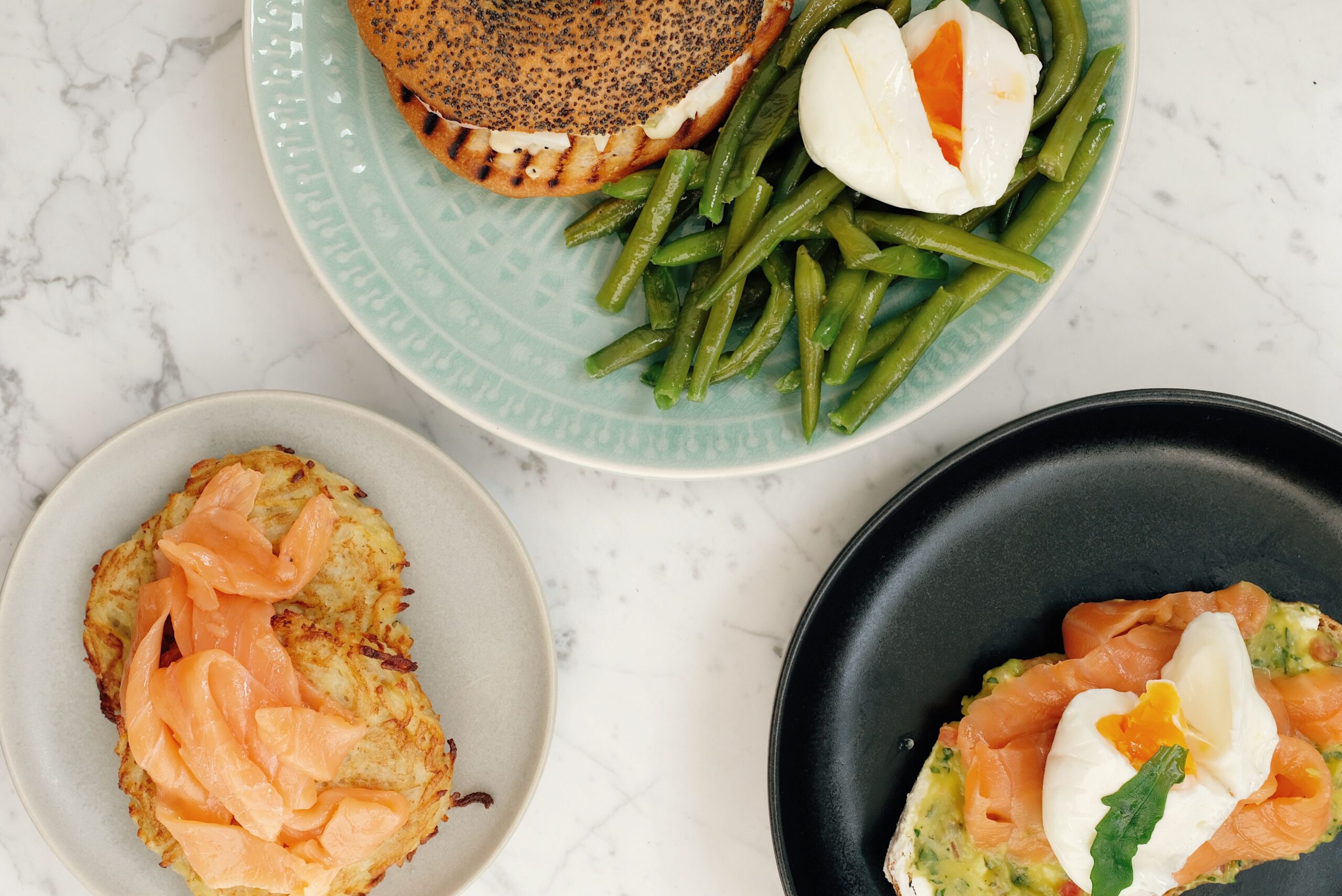
Protein has become the nutrient everyone wants more of, especially after 50. It has been promoted from gym-bag staple to front-of-the-box headline. Humanic Blue looks past the grams to ask where that protein comes from. If you’re looking for protein sources for healthy aging, the research points somewhere more specific than “eat more protein.”
The answer comes in two parts, because mortality and muscle studies ask different questions. In large cohorts, plant protein from foods such as legumes, soy, nuts and whole grains is associated with lower mortality; replacing processed red-meat protein with plant protein produced the largest modeled association in one study. The World Health Organization’s cancer agency classifies processed meat as carcinogenic to humans and red meat as probably carcinogenic. For muscle, small groups of habitual vegans and omnivores had similar gains during a 12-week training study when protein was raised to about 1.6 grams per kilogram of body weight a day. That small, nonrandomized diet comparison in young men cannot settle source questions for older adults. How much protein older adults need is covered separately; this page is about where it comes from, and what that might mean for living longer.
Here they are side by side, each with its catch.
Key Takeaways
- Higher plant protein intake is associated with lower all-cause and cardiovascular mortality in cohorts of more than 700,000 people. This is an association, not proof of cause.
- Processed meat is classified as carcinogenic to humans (Group 1); red meat as probably carcinogenic (Group 2A). The groups describe confidence that a cancer hazard exists, not how large an individual’s risk is.
- With matched high protein, habitual vegan and omnivorous young men made similar gains during one 12-week training study. The evidence is preliminary: diet groups were not randomized and older adults were not studied.
How do protein sources compare side by side?
| Source | What the evidence links it to | The catch |
|---|---|---|
| Legumes and soy | Plant protein associated with lower mortality; legumes linked to healthy aging | Observational mortality evidence does not prove the source caused the difference |
| Nuts and seeds | Linked to healthy aging in long cohorts | Energy-dense |
| Fish and seafood | The preferred animal protein in the Mediterranean pattern | Cost can be a barrier |
| Low-fat dairy | Linked to healthy aging in a 30-year cohort analysis | Current US policy guidance recommends full-fat dairy; its advisory committee had advised retaining low-fat guidance |
| Unprocessed red meat | Probably carcinogenic (IARC Group 2A); linked with worse healthy-aging odds | Also a dense source of protein, iron and B12 |
| Processed meat | WHO’s cancer agency, IARC, places it in Group 1: sufficient evidence that it causes colorectal cancer | The category describes certainty that a hazard exists, not the size of risk at a given intake |
| Protein powders (whey, soy) | Can help people reach a protein target during resistance training | FDA does not approve dietary supplements for safety and effectiveness before sale |
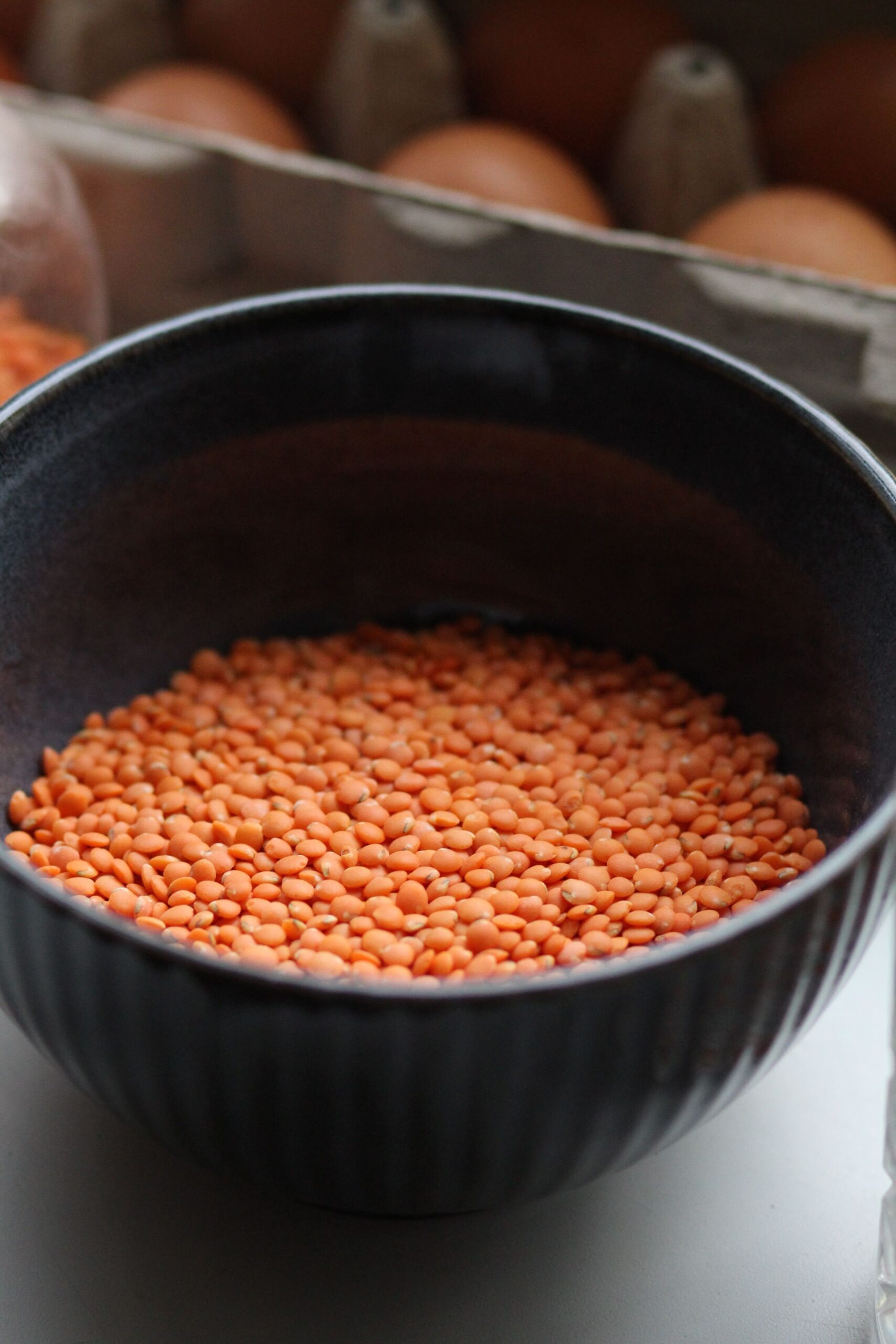
How is plant protein linked to mortality?
In a study following US health professionals for up to 32 years, Mingyang Song and colleagues associated a three-percentage-point increase in the share of daily calories from plant protein with fewer deaths from any cause and from cardiovascular disease. A ten-percentage-point increase from animal protein was associated with higher cardiovascular mortality but not overall mortality. The associations appeared only among participants with at least one lifestyle risk factor, such as smoking, heavy alcohol intake, excess weight or physical inactivity.
The study’s substitution models associated replacing three percentage points of energy from processed red-meat protein with plant protein with 34% lower mortality. That is a statistical replacement estimate, not a randomized food swap, so it cannot establish that making the change causes the reported reduction. The authors reported no conflicts of interest.
A 2020 BMJ analysis combining 31 studies that followed people over time found that higher plant-protein intake was associated with 8% lower all-cause mortality and 12% lower cardiovascular mortality when comparing study-defined higher and lower intakes. An additional three percentage points of energy from plant protein was associated with 5% lower all-cause mortality. Total and animal protein were not significantly associated with cardiovascular or cancer mortality.
These are observational findings. People who eat more plant protein may differ in other ways, and food questionnaires are imperfect.
Healthy aging, not just survival
The 2025 Nature Medicine study followed US health professionals for up to 30 years. Its healthy-aging definition required reaching 70 free of 11 major chronic diseases while maintaining cognitive, physical and mental health. Fewer than one in ten participants met that definition. Higher intakes of fruits, vegetables, whole grains, unsaturated fats, nuts, legumes and low-fat dairy were associated with greater odds; higher red or processed-meat intake was associated with lower odds. This was a 66%-female observational cohort using repeated questionnaires, not a trial of individual protein foods. One investigator disclosed a grant from the International Nut Council.
What does the healthy-aging definition capture that a count of deaths leaves out?
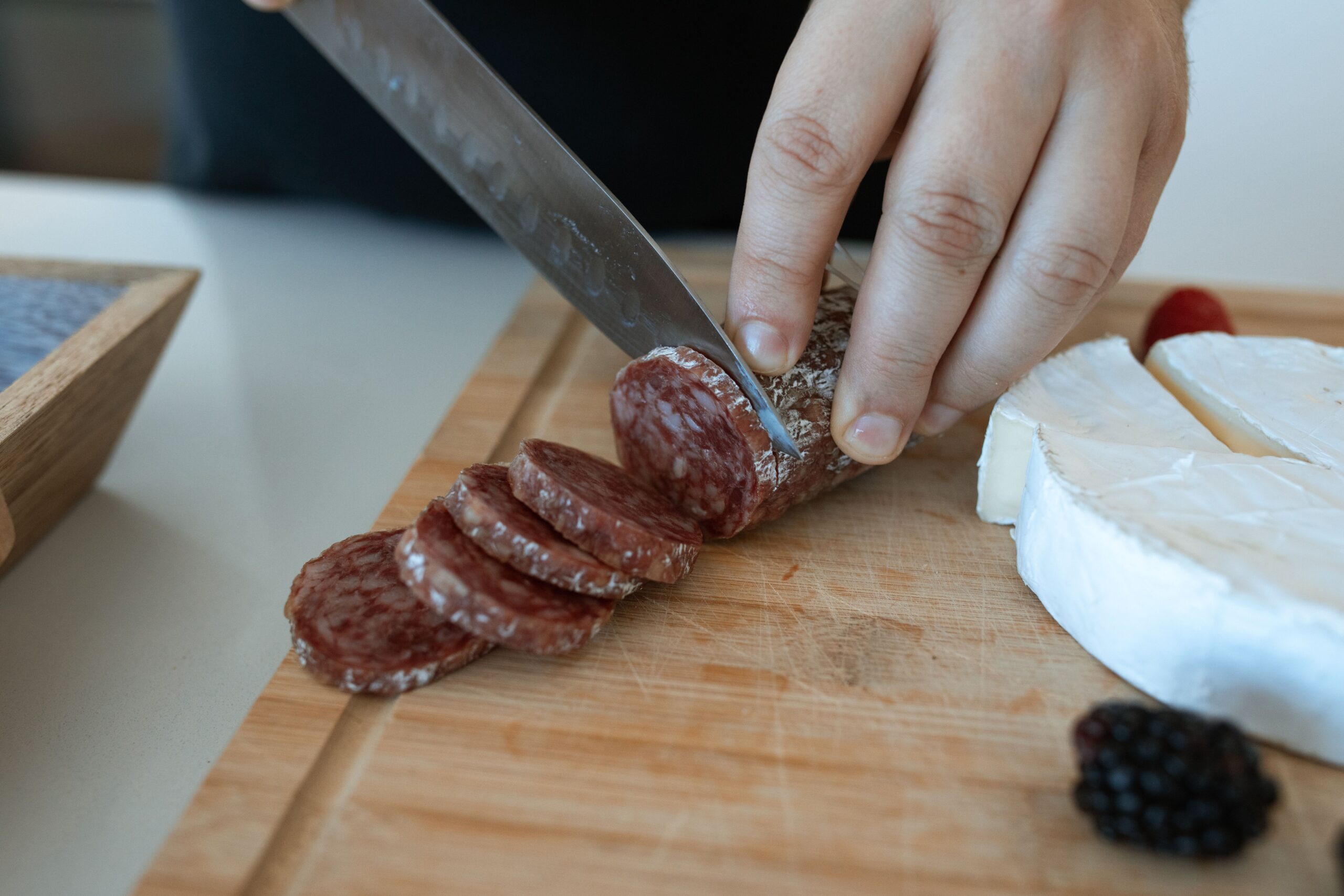
Processed and red meat
The World Health Organization’s International Agency for Research on Cancer (IARC) classifies processed meat, such as hot dogs, ham, sausages and jerky, as Group 1 because it concluded there is sufficient human evidence that processed meat causes colorectal cancer. Red meat is Group 2A because evidence that it causes cancer is limited in humans, while studies of how it could cause cancer provide strong supporting evidence.
These groups describe confidence that a cancer hazard exists, not how large the risk is at a particular intake. WHO’s September 2026 update says its evidence did not permit a conclusion about a safe level at the time of the original assessment and that it is developing guidance on optimal animal-source-food intake.
Does protein source or amount matter more for muscle?
For muscle, the picture differs. This is also where the plant-versus-whey argument tends to get loud. In a 2021 clinical study in Sports Medicine, small groups of habitual vegans and omnivores, all healthy untrained men averaging about age 26, completed 12 weeks of supervised resistance training twice weekly. Researchers used soy or whey supplements to raise both groups to about 1.6 grams of protein per kilogram of body weight per day. Both groups gained an average 1.2 kilograms of leg lean mass—the measured weight of nonfat tissue—and improved strength. The researchers did not find a clear statistical difference between the groups.
Participants were recruited according to their established diets rather than randomly assigned to vegan or omnivorous eating. The study was small, short and limited to young men, so it cannot show that source never matters or that older adults would respond the same way. As covered in Protect Muscle During Menopause, training remains part of the muscle equation.
How does the outcome being measured change a comparison of plant and animal protein?
Where current guidance disagrees
The final 2025–2030 Dietary Guidelines for Americans set a protein target of 1.2–1.6 grams per kilogram of body weight per day, recommend both animal and plant sources, and advise including unsweetened full-fat dairy. That differs from the scientific advisory committee’s 2024 report, which advised retaining low-fat dairy guidance and emphasized replacing foods high in saturated fat with plant protein, whole grains, vegetables and unsaturated plant oils for cardiovascular risk reduction. The final guideline is current federal policy; the advisory report documents the evidence review and the disagreement. Neither document turns an observational protein-source association into a randomized lifespan result.
What’s Interesting
The protein conversation often treats all grams as equal. The mortality studies associate different sources with different outcomes. The small muscle study found similar gains at matched high intakes in young men. Those findings can coexist because they concern different people and different outcomes; they do not establish that source is interchangeable for muscle at every age. Apparently a gram of protein arrives with a backstory, and whether the backstory matters depends on which outcome you’re asking about.
The muscle result also comes with a specific cast: untrained young men eating about 1.6 grams per kilogram of body weight a day. Someone with chronic kidney disease needs a different calculation: current Kidney Disease: Improving Global Outcomes (KDIGO) guidance suggests about 0.8 grams per kilogram of body weight daily for adults with stages G3–G5, a range of moderate to advanced kidney impairment, and advises those at risk of progression to avoid more than 1.3 grams per kilogram of body weight daily.
What This Means in Practice
For living longer and better, the research offers a map of food sources and outcomes, not a universal menu:
- Legumes, soy, nuts and whole grains: large cohort studies associate plant protein with lower mortality, but cannot establish that swapping foods causes the difference.
- Fish and seafood: the comparison table above places them in a Mediterranean-style eating pattern and notes that cost can be a barrier.
- Processed meat: IARC concludes that it causes colorectal cancer; its hazard classification does not specify a safe intake threshold or the size of risk at a given intake.
- Total intake and muscle: a small study of young men paired matched protein intakes with resistance training and found similar gains across habitual vegan and omnivorous diets. It cannot settle what an older person needs.
A registered dietitian can build protein targets around your kidney function, preferences and budget. People with chronic kidney disease should talk to a clinician before increasing protein because current kidney guidance may conflict with the federal target for the general population.
Source is only half the question; Should You Eat More Protein as You Age? reviews how proposed intake targets change with age and health context.
Bottom Line
Large cohorts associate plant protein with lower mortality, especially in statistical models replacing processed red-meat protein. IARC concludes that processed meat causes colorectal cancer and classifies red meat as probably carcinogenic, while stressing that these categories describe evidence strength rather than risk size. One small 12-week comparison found similar training gains in habitual vegan and omnivorous young men at matched high protein, but it did not randomize diet and did not study older adults. For living longer and better, the cohort evidence links plant protein with lower mortality, but no long-term trial has shown that switching sources extends lifespan.
A NOTE FROM LONGEVITY365
We read research, consult expert perspectives and work to make complicated health information easier to understand. What you’re reading here reflects how we’ve interpreted and organized that information. It is educational content—not personal medical advice, diagnosis or treatment guidance.
We’re not perfect, and neither is the available research. Evidence changes, new studies emerge and what’s appropriate for one person may not be appropriate for another.
Use this article as a starting point for your own research and conversations with qualified professionals. Always talk with your doctor or another trusted healthcare professional before making decisions that could affect your health, particularly if you take medications, are receiving treatment, have existing health conditions, are pregnant or have other circumstances that could affect what’s appropriate for you.
Reader Questions
A few questions to carry into the comments or your next conversation. Please leave out identifying or personal medical details.
- 01Which part of this food question feels most practical in real life: what to eat, how much, timing, cost, or consistency?
- 02Where do you still see a gap between population evidence and the way one person actually eats?
- 03What would make "Best Protein Sources for Healthy Aging" easier to discuss without turning food into another thing to optimize perfectly?
Extra Insights & Sources
The evidence summaries and linked sources behind this article.
What We Know
- Plant protein intake is associated with lower all-cause and cardiovascular mortality. Supported (observational).
- IARC finds sufficient human evidence that processed meat causes colorectal cancer and classifies red meat as probably carcinogenic. Established hazard classification.
- Nuts, legumes and low-fat dairy are linked to healthy aging; red and processed meats to worse odds. Supported (observational).
What We Don’t Know
- Whether switching protein sources causes longer life. No long-term randomized trial has tested it. Unknown.
- Whether an entirely plant-based protein pattern supports muscle as well as a mixed pattern in older adults at different total intakes. Uncertain.
- The best total protein intake for older adults. Contested.
Detailed study results
A hazard ratio (HR) compares rates during follow-up. Below 1 indicates a lower rate in the comparison described; above 1 indicates a higher rate. In these observational studies, adjusting for measured differences between people cannot eliminate all other possible explanations for an association.
A 2016 study in JAMA Internal Medicine, led by Mingyang Song, followed 131,342 US health professionals for up to 32 years. After adjustment, animal protein was not associated with overall mortality but was associated with higher cardiovascular mortality (HR 1.08 per ten percentage points of energy). Plant protein was associated with lower all-cause mortality (HR 0.90 per three percentage points of energy) and cardiovascular mortality (HR 0.88). Associations were confined to participants with at least one specified lifestyle risk factor. In substitution models, replacing processed red-meat protein with plant protein produced HR 0.66; this remains an observational model, not an intervention.
Source Materials
Protein amounts written as g/kg/day below mean grams of protein per kilogram of body weight per day. They describe study intakes or authority-specific guidance, not personal prescriptions.
- Song et al., JAMA Internal Medicine (PMID 27479196). Prospective cohorts of 131,342 US health professionals followed for as long as 32 years using repeated food questionnaires. Supports the animal- and plant-protein mortality estimates and substitution models. Associations were confined to participants with at least one specified unhealthy lifestyle factor; residual confounding and modeled substitutions prevent causal conclusions. The authors reported no conflicts. https://pubmed.ncbi.nlm.nih.gov/27479196/
- Naghshi et al., BMJ (PMID 32699048). Systematic review and dose-response meta-analysis of 31 prospective cohorts, 715,128 participants, 113,039 deaths and 3.5–32 years of follow-up. Supports the 8% lower all-cause and 12% lower cardiovascular mortality associations at higher plant-protein intake and the 5% lower all-cause mortality association per additional three percentage points of energy. Cohort heterogeneity and confounding remain; no cancer-mortality association was found. https://pubmed.ncbi.nlm.nih.gov/32699048/
- Tessier et al., Nature Medicine (PMID 40128348). Thirty-year observational analysis of 105,015 US health professionals, 66% women, with 9,771 meeting a multidomain healthy-aging definition at age 70. Supports the food-level associations with healthy aging; it does not isolate causal effects of protein sources. One investigator disclosed an International Nut Council grant. https://pubmed.ncbi.nlm.nih.gov/40128348/
- World Health Organization / International Agency for Research on Cancer, updated September 23, 2026. Supports the Group 1 processed-meat and Group 2A red-meat classifications, the causal conclusion for processed meat and colorectal cancer, the distinction between hazard certainty and risk magnitude, and WHO’s statement that an optimal-intake guideline is in development. Carcinogenicity of red and processed meat
- Hevia-Larraín et al., Sports Medicine (PMID 33599941). Twelve-week supervised resistance-training study in 19 habitual vegan and 19 habitual omnivorous untrained young men, with soy or whey used to reach about 1.6 g/kg/day. Supports similar measured gains between groups. Diet groups were pre-existing rather than randomized, and the sample does not establish equivalence in older adults. https://pubmed.ncbi.nlm.nih.gov/33599941/
- Dietary Guidelines for Americans, 2025–2030. Current federal policy source for the 1.2–1.6 g/kg/day target, inclusion of animal and plant protein sources, and full-fat dairy language. It is guidance, not a trial, and does not override individualized medical nutrition therapy. Official PDF
- 2025 Dietary Guidelines Advisory Committee scientific report. The evidence-review source advising continued low-fat dairy guidance and replacement of saturated-fat foods with plant protein, whole grains, vegetables and unsaturated plant oils. It documents a material difference between the advisory committee and the final federal policy. Scientific report
- KDIGO 2024 Clinical Practice Guideline for Chronic Kidney Disease. Current global kidney guideline suggesting 0.8 g/kg/day for adults with CKD G3–G5 and advising adults at risk of progression to avoid intake above 1.3 g/kg/day. These targets are disease-specific and require clinical context. Guideline
- U.S. Food and Drug Administration. Supports the regulatory statement that FDA lacks authority to approve dietary supplements for safety, effectiveness or labeling before sale; manufacturers retain responsibility and FDA oversight is largely postmarket. FDA 101: Dietary Supplements
Related product and service comparisons
The companion comparison describes named protein-powder formulations, ingredients and quality-testing claims.
Photo credits
Images from Pexels.
- featured: Photo by ready made — original Pexels photo.
- inline-1: Photo by Katana — original Pexels photo.
- inline-2: Photo by RDNE Stock project — original Pexels photo.
Leave a Reply