
Exercise
Why Muscle Matters for Longevity
Strength tracks with survival more than muscle size does. Training improves strength and function in older adults; lifespan effects remain unproven.

Most people notice muscle loss through small things: a jar lid, a low chair, the last flight of stairs. Nobody files those under longevity. At Humanic Blue, we’re curious why researchers increasingly do, and what muscle has to do with living longer and better.
Why muscle matters for longevity comes down mostly to what muscle can do. In a large study of adults in their 70s, strength tracked with survival more clearly than muscle size did. Muscle also takes up most of the sugar that insulin, a hormone, helps clear from the blood. And muscle provides reserve for walking and recovering from illness. In long observational studies, adults who do strength work were about 15% less likely to die during follow-up. Trials show training builds strength and function in older adults and can help protect the ability to walk. No trial has tested whether it helps people live longer.
Let’s take muscle’s jobs one at a time: what it does, what slips as it declines and what training has been shown to change.
In This Article
Key Takeaways
- In the Health ABC study of adults aged 70 to 79, leg and grip strength were more clearly linked to survival than muscle size. The study couldn’t establish cause and effect.
- Muscle takes up most of the blood sugar that insulin moves out of the bloodstream.
- A Cochrane review found that resistance training with gradually increasing loads produced large gains in strength and smaller gains in everyday function in older adults.
- In the LIFE trial, a structured activity program lowered the risk of losing the ability to walk about a quarter mile in people aged 70 to 89 who already had physical limitations.
- Strength work is linked to about 15% lower death rates, with the lowest rates around 30 to 60 minutes a week. The review’s authors rated that evidence very low certainty, and no trial has tested lifespan.
Does strength matter more than muscle size?
The obvious assumption is that more muscle means more protection. The data on older adults point somewhere slightly different.
University of Pittsburgh epidemiologist Anne Newman and colleagues in the Health, Aging and Body Composition (Health ABC) study measured both in more than 2,000 adults aged 70 to 79. They scanned thigh muscle, tested leg and grip strength, then followed people for about five years. Weaker legs and weaker grips were strongly linked to dying during the study. Muscle size wasn’t strongly linked.
Newman’s team concluded that strength, as a sign of muscle quality, was a better guide to mortality risk than the amount of muscle. What a muscle can do mattered more than how big it looked on a scan. It’s an observational study, so it shows a link rather than a cause. See the study details
The same split shows up over time. A 2012 review by W. Kyle Mitchell and colleagues at the University of Nottingham found that, in studies measuring both, people lost strength two to five times faster than muscle. At age 75, men lost about 3% to 4% of their strength a year and women 2.5% to 3%. The review’s summary: “Loss of strength is a more consistent risk for disability and death than is loss of muscle mass.”
Doctors’ definitions have moved the same way. In its 2019 consensus, the European Working Group on Sarcopenia in Older People, a panel of European specialists in geriatric medicine and related fields, updated its definition of sarcopenia, the age-related loss of muscle. It now treats low muscle strength as a central feature of sarcopenia and uses muscle quantity and quality to confirm the diagnosis. The group’s meetings were funded by a grant from Abbott, which the paper says played no role in writing it. Grip strength is one of the simplest ways to measure strength; our grip strength article covers the test and its cutoffs.
What changes when muscle is evaluated by what it can do rather than how much there is?
What does muscle do with blood sugar?
Muscle has a second job most people never think about: handling sugar.
Diabetes researchers Ralph DeFronzo and Devjit Tripathy of the University of Texas Health Science Center at San Antonio laid out the physiology in a 2009 Diabetes Care review: “Skeletal muscle is the major site of glucose uptake in the postprandial state in humans.” In lab tests that hold insulin high, about 80% of the sugar leaving the blood goes into muscle.
So after a meal, when insulin rises, muscle absorbs most of the sugar that leaves the bloodstream. In their account, that puts muscle’s condition at the center of metabolic health. The review’s title states its argument: skeletal muscle insulin resistance is “the Primary Defect in Type 2 Diabetes.” More on the physiology
The link shows up in outcome data too. The Japanese review covered in the dose section below found that people who did strength work had about 17% lower rates of type 2 diabetes, with most of the drop coming by about an hour a week. Its authors rated that evidence low certainty.
Reserve: the margin you draw on later
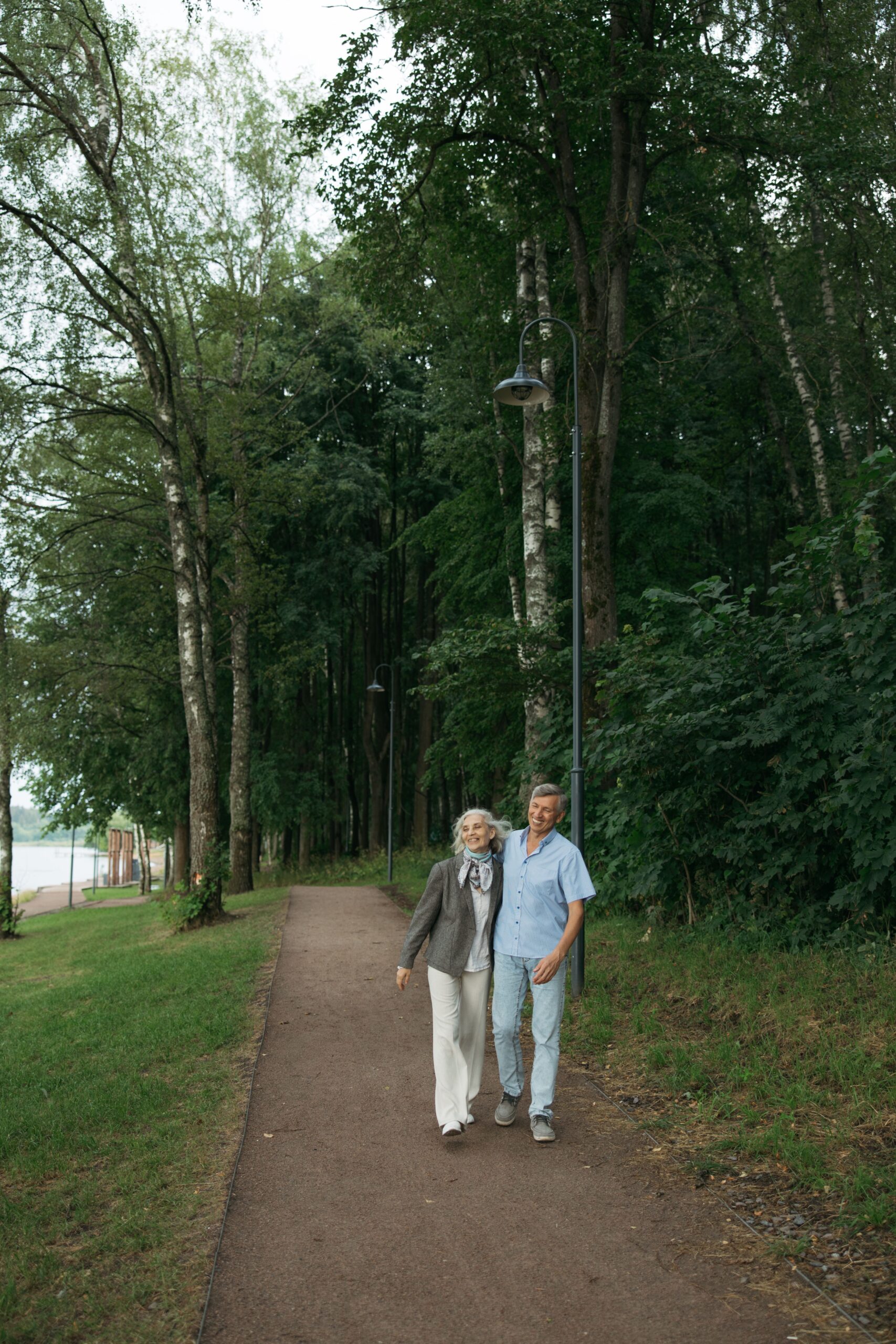
Muscle is also reserve. It’s the capacity left over when illness, surgery or a hospital stay takes some away.
When that reserve runs low, the result can be frailty, covered in depth in Can Frailty Be Reversed? The piece relevant here is mobility: being able to walk a real distance on your own.
The LIFE trial investigators, led by Marco Pahor of the University of Florida, framed the stakes this way: “In older adults reduced mobility is common and is an independent risk factor for morbidity, hospitalization, disability, and mortality.”
The LIFE trial, funded by the National Institutes of Health, tested whether structured exercise could protect it. It randomly assigned about 1,600 inactive adults aged 70 to 89, who had physical limitations but could still walk 400 meters (about a quarter mile), to a moderate program of aerobic, strength and flexibility training or to health-education workshops. Over about 2.6 years, about 30% of the exercise group lost the ability to walk that distance, compared with roughly 35% of the education group. There was no statistically clear difference in serious adverse events between groups; that does not establish equal safety. How the trial worked
That’s a randomized result for walking independence, not lifespan. It also tested a mixed program, so it can’t isolate what strength training alone did.
What training changes
Here the trial count gets big.
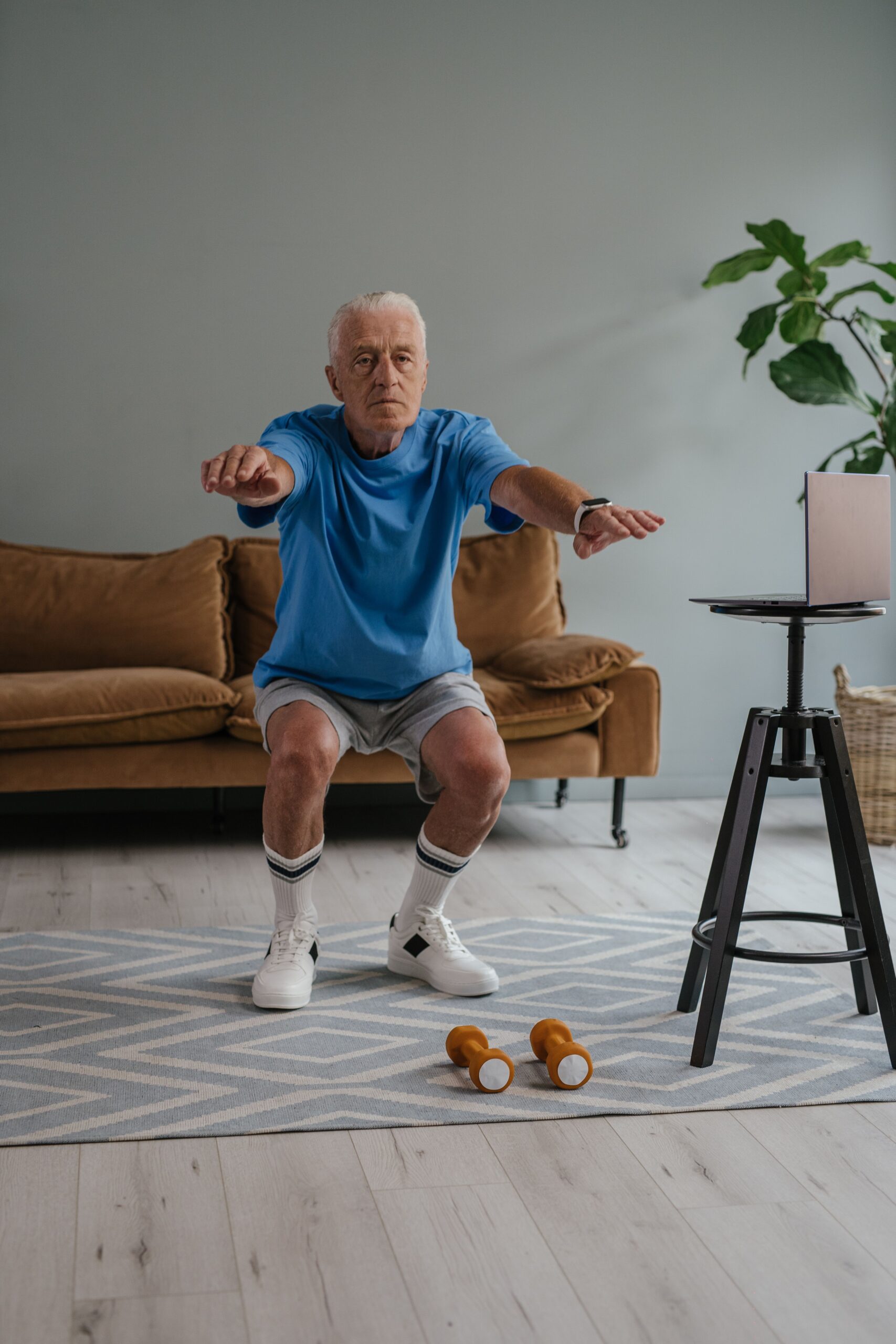
A Cochrane review by Chiung-Ju Liu of Indiana University and Nancy Latham pooled 121 randomized trials involving thousands of older adults. All of them tested progressive resistance training, meaning lifting against a load that increases over time. Most programs ran two to three sessions a week at high intensity.
- Strength: large gains.
- Getting out of a chair: a moderate to large improvement.
- Walking speed: a modest bump, about 0.08 meters per second.
- Overall physical ability: a small improvement.
- Pain in people with osteoarthritis: a small reduction.
Liu and Latham concluded that this kind of training is an effective way to improve physical functioning in older people. They added a caution about people with medical conditions, because the trials didn’t report adverse events adequately. Serious adverse events were rare in the trials that tracked them. Latham was an author of two of the included trials, which other reviewers rated independently. See the full results table
How much strength work is linked to lower death rates?
How much strength work goes with the lowest death rates? A 2022 meta-analysis in the British Journal of Sports Medicine, by Haruki Momma of Tohoku University and colleagues at Waseda and Kyushu universities in Japan, pooled 16 long-term observational studies of adults.
People who did any muscle-strengthening activity were about 15% less likely to die during the studies than people who did none. They also had 10% to 17% lower rates of heart disease, cancer overall, diabetes and lung cancer.
The curve wasn’t a straight line. For deaths from any cause, the biggest drop, roughly 10% to 20%, appeared at about 30 to 60 minutes a week. Past that, the curve bent back up in a J-shape, and the authors called the effect of more volume “unclear.” People who did both strength and aerobic activity had about 40% lower death rates than people who did neither.
The authors rated the certainty of the death-rate evidence very low. Most of the studies relied on people’s own reports of their exercise, and people who lift may differ from people who don’t in ways the studies couldn’t fully measure. The numbers behind the curve
The CDC’s guidelines for older adults call for “At least 2 days of activities that strengthen muscles” each week, plus at least 150 minutes of moderate aerobic activity and activities to improve balance.
What can an observational exercise curve establish about a weekly training amount?
What’s Interesting
Muscle’s link to longevity looks less like a bodybuilding story and more like a get-out-of-the-chair story. The Health ABC data found that strength tracked with survival more clearly than muscle size did. The LIFE trial protected walking, not muscle mass. The Cochrane review’s largest effects were on strength and standing up from a chair, the everyday capacities people draw on to stay independent.
There’s also the matter of who got results. The Cochrane trials enrolled older adults, and LIFE enrolled inactive people in their 70s and 80s who already had physical limitations. Both still measured gains.
What This Means in Practice
- Strength is what the research measured. In Health ABC, strength was more clearly linked to survival than muscle size. LIFE measured whether participants retained the ability to walk independently.
- Two days a week is the CDC’s minimum for older adults. In the Japanese review, death rates were lowest among people doing about 30 to 60 minutes a week.
- The NIA describes a gradual start. The Cochrane trials increased the load over time. The National Institute on Aging (NIA) suggests beginners “try exercises without weights or resistance bands” until the movements feel comfortable.
- The NIA identifies warning signs. The NIA says aerobic activities “should not cause dizziness, chest pain or pressure, or nausea,” and that overdoing strength work “can cause exhaustion, sore joints, and muscle pain or injury.”
- Nutrition is a separate part of the picture. Named authorities’ protein guidance after 65 is covered in What Should I Eat to Live Longer?
- The CDC allows for differences in ability and health. Its advice for anyone who can’t meet the targets: “be as physically active as your abilities and conditions allow.”
The numbers above describe groups of people. They don’t determine a personal exercise plan, and the observational curve doesn’t establish a weekly amount that extends life. What fits someone with heart disease, arthritis or a recent fall can look quite different.
For help with form, or a starting point after an injury, surgery or fall, the NIA suggests guidance “from your doctor or physical therapist” and group classes “at a local gym, recreation center, or senior center.” A clinician can also check whether new weakness has a medical cause.
Bottom Line
Muscle matters for longevity mainly through strength and function. In older adults, strength tracks with survival more closely than muscle size does. Muscle handles most of the body’s insulin-driven sugar uptake, and it supplies the reserve that keeps people mobile. Across dozens of Cochrane-reviewed trials, resistance training built strength in older adults, and structured exercise lowered the risk of losing the ability to walk in a large trial.
Whether any of that adds up to a longer life hasn’t been tested directly, and the death-rate data are observational and low in certainty. A clinician or physical therapist can help you find a starting program that fits your health.
A NOTE FROM LONGEVITY365
We read research, consult expert perspectives and work to make complicated health information easier to understand. What you’re reading here reflects how we’ve interpreted and organized that information. It is educational content—not personal medical advice, diagnosis or treatment guidance.
We’re not perfect, and neither is the available research. Evidence changes, new studies emerge and what’s appropriate for one person may not be appropriate for another.
Use this article as a starting point for your own research and conversations with qualified professionals. Always talk with your doctor or another trusted healthcare professional before making decisions that could affect your health, particularly if you take medications, are receiving treatment, have existing health conditions, are pregnant or have other circumstances that could affect what’s appropriate for you.
Reader Questions
A few questions to carry into the comments or your next conversation. Please leave out identifying or personal medical details.
- 01Which measurement or milestone would feel useful to track without letting it take over the whole point of moving?
- 02Which real-world barrier did the article address most usefully: time, confidence, access, recovery, or knowing where to start?
- 03What question would you bring to a clinician, physical therapist, trainer, or exercise professional after reading about Why Muscle Matters for Longevity?
Extra Insights & Sources
For readers who want the details behind each claim above.
What We Know
- In older adults, strength predicts mortality more consistently than muscle size, and strength declines faster than mass. Supported.
- Skeletal muscle takes up about 80% of glucose under insulin-stimulated lab conditions. Established (physiology).
- Progressive resistance training produces large strength gains and smaller functional gains in older adults. Established.
- A structured activity program reduced major mobility disability in at-risk adults aged 70 to 89. Supported (one large randomized trial).
- Muscle-strengthening activity is associated with about 15% lower all-cause mortality. Supported (observational; rated very low certainty by the review’s authors).
What We Don’t Know
- Whether building muscle or strength extends lifespan. No randomized trial has measured it. Unknown.
- Whether more than about an hour a week of strength training adds benefit or risk for mortality. The J-shaped curve in the cohort data is unexplained. Uncertain.
- How well adverse events in older-adult training trials have been captured, since the Cochrane authors found them poorly reported.
Strength versus size in detail
Health ABC (2006). Published in the Journals of Gerontology: Series A, the analysis included 2,292 participants aged 70 to 79 (51.6% women, 38.8% Black). Knee-extension strength was measured with isokinetic dynamometry, which measures force while a joint moves at a controlled speed. Grip strength was measured with isometric dynamometry, which measures force without joint movement. Thigh muscle area was measured by CT, and leg and arm lean mass by dual-energy x-ray absorptiometry (DXA). There were 286 deaths over an average of 4.9 years. Lower quadriceps strength was associated with higher mortality. For each standard deviation lower strength—38 newton-meters of turning force—the crude hazard ratio was 1.51 (95% CI 1.28–1.79) for men and 1.65 (95% CI 1.19–2.30) for women. The authors found muscle size by CT or DXA wasn’t strongly related to mortality, and adjusting for muscle area or lean mass only slightly weakened the strength associations. Grip strength gave similar estimates. In their conclusion, low muscle mass didn’t account for the strong link between strength and mortality, which they took to show that strength, as a marker of muscle quality, matters more than quantity when estimating mortality risk. The study was supported by US National Institute on Aging grants.
A hazard ratio compares the rate of an outcome between groups over follow-up; a value above 1 means a higher rate. A 95% confidence interval (CI) shows the statistical uncertainty around an estimate. These comparisons describe groups, not an individual’s chance of dying.
Mitchell review (2012). In Frontiers in Physiology, Mitchell and colleagues reported that in longitudinal studies at age 75, muscle mass is lost at 0.64% to 0.70% a year in women and 0.80% to 0.98% a year in men, while strength is lost at 3% to 4% a year in men and 2.5% to 3% in women. Cross-sectional comparisons of younger and older adults gave a median mass loss of 0.47% a year in men and 0.37% in women. Studies measuring both in the same people found strength lost 2 to 5 times faster than mass.
EWGSOP2 (2019). The consensus, published in Age and Ageing with Alfonso Cruz-Jentoft of Hospital Universitario Ramón y Cajal in Madrid as first author, describes sarcopenia as a muscle disease, a form of muscle failure. It uses low strength to flag probable sarcopenia, low muscle quantity or quality to confirm it, and poor physical performance to mark it as severe. Funding: the paper states that the EuGMS received a grant from Abbott to fund EWGSOP2. It says Abbott didn’t choose the group’s members but had the right to send observers to its meetings, and had no part in preparing or approving the manuscript. Several panel members, including Cruz-Jentoft, declared speaker fees, advisory roles or grants from nutrition companies including Abbott Nutrition, Nestlé and Nutricia.
Muscle and blood sugar in detail
The full passage from DeFronzo and Tripathy’s review: “Skeletal muscle is the major site of glucose uptake in the postprandial state in humans. Under euglycemic hyperinsulinemic conditions, ∼80% of glucose uptake occurs in skeletal muscle.” The euglycemic insulin clamp holds insulin high while keeping blood sugar steady, so the 80% figure describes lab conditions. The review reports that insulin-stimulated leg muscle glucose uptake is reduced by about 50% in type 2 diabetes. It appeared in a Diabetes Care supplement whose publication was supported by unrestricted educational grants from companies including Eli Lilly, Novo Nordisk, Pfizer and sanofi-aventis. The article states, “No potential conflicts of interest relevant to this article were reported.”
Diabetes and strength activity. In the Momma meta-analysis, five studies (9,548 cases among 202,486 participants) showed muscle-strengthening activity associated with 17% lower diabetes incidence (RR 0.83, 95% CI 0.77–0.89). The dose curve was L-shaped, with risk falling markedly up to about 60 minutes a week. The authors rated this evidence “low.”
The LIFE trial in detail
In the table below, HR means hazard ratio and compares rates over follow-up. A risk ratio compares the proportion of participants who experienced an outcome; a value below 1 favors the activity group.
LIFE (Lifestyle Interventions and Independence for Elders), published in JAMA in 2014, enrolled participants at 8 US centers between February 2010 and December 2011. Eligible adults scored 9 or below on the Short Physical Performance Battery but could walk 400 meters. The activity group (818) exercised at a center twice a week and at home 3 to 4 times a week. The education group (817) attended workshops and did upper-body stretching. Outcome assessors were blinded.
| Outcome | Activity group | Education group | Comparison |
|---|---|---|---|
| Major mobility disability | 30.1% (246) | 35.5% (290) | HR 0.82 (95% CI 0.69–0.98) |
| Persistent mobility disability | 14.7% (120) | 19.8% (162) | HR 0.72 (95% CI 0.57–0.91) |
| Serious adverse events | 49.4% (404) | 45.7% (373) | Risk ratio 1.08 (95% CI 0.98–1.20); not statistically significant |
LIFE was funded by a National Institutes of Health/National Institute on Aging cooperative agreement, with a supplement from the National Heart, Lung and Blood Institute.
The Cochrane review in detail
Liu and Latham’s review (Cochrane Database of Systematic Reviews, 2009) included 121 randomized trials with 6,700 participants.
| Outcome | Trials (participants) | Effect | How big |
|---|---|---|---|
| Muscle strength | 73 (3,059) | SMD 0.84 (95% CI 0.67–1.00) | Large |
| Getting out of a chair | 11 (384) | SMD −0.94 (95% CI −1.49 to −0.38) | Moderate to large |
| Gait speed | 24 (1,179) | +0.08 m/s (95% CI 0.04–0.12) | Modest |
| Overall physical ability | 33 (2,172) | SMD 0.14 (95% CI 0.05–0.22) | Small |
| Pain in people with osteoarthritis | 6 (503) | SMD −0.30 (95% CI −0.48 to −0.13) | Small reduction |
SMD, the standardized mean difference, lets researchers compare effects measured on different scales; 0.8 or more is conventionally “large.” Ten other trials (587 participants) showed no evidence of an effect on bodily pain. Adverse events were poorly recorded, but musculoskeletal complaints such as joint pain and muscle soreness were reported in many studies that monitored them. Serious adverse events were rare, and none was reported as directly caused by the exercise programs. The authors concluded that progressive resistance training (PRT) is an effective way to improve physical functioning in older people, including strength and the performance of some simple and complex activities. They advised some caution in applying these exercises to clinical populations, because adverse events weren’t adequately reported. Conflict statement: Latham is an author of two included trials, which other reviewers rated independently in the first version of the review.
The dose curve in detail
Momma and colleagues searched MEDLINE and Embase through June 2021 for prospective cohort studies of adults 18 and older without severe health conditions; 16 studies qualified. Across outcomes, muscle-strengthening activity was associated with 10% to 17% lower risk of all-cause mortality, cardiovascular disease, total cancer, diabetes and lung cancer. No association was found for colon, kidney, bladder or pancreatic cancer.
Here, all-cause mortality means deaths from any cause; RR means relative risk. A value below 1 indicates a lower risk in the activity group. Heterogeneity describes how much the study findings differ from one another.
- All-cause mortality: 7 studies, 263,058 participants and 42,133 deaths; RR 0.85 (95% CI 0.79–0.93), with high heterogeneity (I² = 83%). In the dose analysis, the lowest risk (RR 0.83) was at 40 minutes a week, and estimates stayed below 1.00 up to about 140 minutes a week.
- Combined strength and aerobic activity versus neither: 3 studies, 581,194 participants; RR 0.60 for all-cause mortality.
- Certainty: rated “very low” for all-cause mortality, cardiovascular disease and total cancer, and “low” for diabetes.
- Limits: a small number of studies; publication bias couldn’t be tested; 13 of 16 studies used self-report questionnaires.
The authors’ conclusion: “the influence of a higher volume of muscle-strengthening activities on all-cause mortality, CVD and total cancer is unclear when considering the observed J-shaped associations.” The work was funded by Japan’s Ministry of Health, Labour and Welfare, and the authors declared no competing interests.
CDC and NIA guidance. The CDC’s older-adult page (last reviewed December 4, 2025) recommends at least 150 minutes a week of moderate-intensity activity, at least 2 days of muscle-strengthening activities, and balance activities. The NIA’s exercise guide (content reviewed January 14, 2025) says “Gradual increases in the amount of weight, number of sets or repetitions, or the number of days a week of exercise will result in stronger muscles,” advises “at least two days per week” of muscle-strengthening, and suggests avoiding working “the same muscle group on any two days in a row.”
Sources
- Newman AB, et al. Health ABC strength and mortality, Journals of Gerontology: Series A, 2006: PubMed 16456196
- Mitchell WK, et al. Sarcopenia, dynapenia and aging, Frontiers in Physiology, 2012: PubMed 22934016
- Cruz-Jentoft AJ, et al. EWGSOP2 revised consensus, Age and Ageing, 2019: PubMed 30312372
- DeFronzo RA, Tripathy D. Skeletal muscle insulin resistance, Diabetes Care, 2009: PubMed 19875544
- Pahor M, et al. LIFE study, JAMA, 2014: PubMed 24866862
- Liu CJ, Latham NK. Progressive resistance strength training, Cochrane Database of Systematic Reviews, 2009: PubMed 19588334
- Momma H, et al. Muscle-strengthening activities meta-analysis, British Journal of Sports Medicine, 2022: PubMed 35228201
- Centers for Disease Control and Prevention: Older Adult Activity: An Overview
- National Institute on Aging: Three Types of Exercise Can Improve Your Health and Physical Ability
Photo credits
Images from Pexels.
- featured: Photo by Artem Podrez — original Pexels photo.
- inline-1: Photo by Anastasia Shuraeva — original Pexels photo.
- inline-2: Photo by SHVETS production — original Pexels photo.
Leave a Reply