
Exercise
Can Frailty Be Reversed?
Frailty can sometimes improve. Exercise and nutrition may help, but recovery depends on the causes, severity and ability to follow a treatment plan.
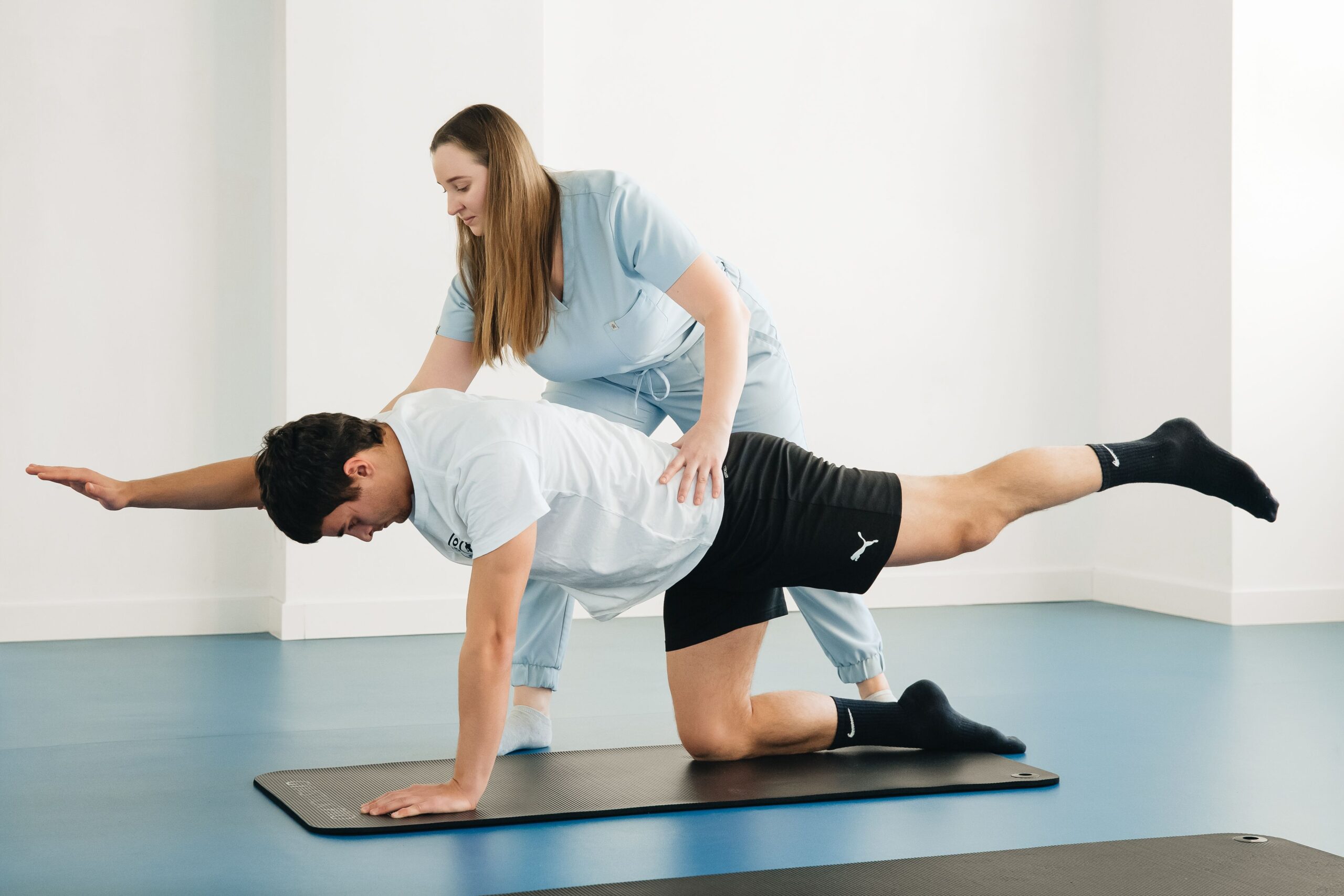
Frailty status can sometimes improve. A person may move from frail to pre-frail, meaning fewer signs of frailty, or to robust, meaning the scale no longer classifies the person as frail or pre-frail. For Humanic Blue, the question is what the evidence means by “reversed.” A 2025 overview by Money and colleagues found the most consistent evidence for physical-activity programs containing resistance training (muscle work against weights, bands or body weight); adding nutrition support also helped in some studies, while nutrition alone was inconclusive. These findings apply mainly to adults living in the community in programs lasting six weeks to 12 months. Recovery is not guaranteed, and the evidence does not establish that every person—especially someone with severe frailty or established disability—can return to a robust state.
Frailty is more than normal aging. It describes less capacity to cope with a physical setback: an illness, fall or hospitalization can have a larger effect and recovery may take longer. For living longer and better, improvement is measured in function—walking, rising from a chair, avoiding disability and managing daily life—not in whether someone acquires more muscle on a scan. A clinical assessment matters because weakness, fatigue and weight loss can also signal illness, medication problems, depression or undernutrition.
Key Takeaways
- Frailty can improve in some people; it is not an inevitable stage of aging. Recovery varies with the person and the definition being used.
- Money and colleagues’ overview found the most consistent evidence for activity containing resistance training. Combined activity and nutrition also helped in some studies, but the programs and results varied.
- Sudden decline or new confusion can signal an urgent medical problem. Unintended weight loss and recurrent falls also need clinical attention, rather than simply a harder exercise plan.
What does a frailty diagnosis mean?
In the widely used Fried frailty phenotype—a definition based on observable physical features—Johns Hopkins geriatrician Linda Fried, MD, MPH, and colleagues defined frailty by five features: unintended weight loss, exhaustion, weak grip, slow walking and low physical activity. Three or more indicated frailty; one or two indicated pre-frailty (original Cardiovascular Health Study analysis).
Other systems count health problems that have built up over time or use a clinician’s judgment. The International Conference on Frailty and Sarcopenia Research recommends screening older adults and performing a clinical assessment when screening is positive (ICFSR guideline).
The label is not interchangeable with disability or having several diseases. Frailty describes vulnerability. Disability describes difficulty performing activities. Chronic diseases can contribute to both, but a person can have multiple diagnoses without being frail, or frailty without an established disability.
What counts as reversing frailty?
Frailty studies use several definitions and outcome tools. Reversal may mean moving from frail to pre-frail, moving from pre-frail to robust, improving a Short Physical Performance Battery score—a combined test of balance, walking speed and chair rises—or avoiding loss of walking independence.
Those are meaningful but different outcomes. A better score does not mean every underlying condition has disappeared. Conversely, a person can walk farther, rise more easily and need less help even if a formal frailty category does not change.
The 2025 overview by Money and colleagues brought together reviews of studies in adults aged 50 and older living in the community. Programs lasted six weeks to 12 months, definitions varied and only about a quarter of the reviews were rated high quality. Activity containing resistance training at least twice weekly improved frailty status on validated measures. Some studies also supported combining nutrition and resistance-containing activity for prevention or reversal. Nutrition-only evidence was inconclusive. The counts and study details are below.
The authors also included an eight-week resistance-training trial in pre-frail adults that found no improvement in frailty status. That counterexample shows that not every tested program changed the frailty measure; it does not establish why that particular trial found no effect.
Which definition of reversal is a study using: a category change, better performance or preserved mobility?
What did the exercise programs include?
The ICFSR guideline recommends multicomponent programs, meaning several types of activity rather than one exercise in isolation. Resistance work develops the force muscles can produce. Balance and mobility practice address stability and daily movement. Aerobic activity supports endurance.
Current US federal guidance for adults 65 and older recommends at least 150 minutes of moderate aerobic activity per week, muscle-strengthening activity on at least two days and balance activity. It also says people unable to meet the full target should be as active as their abilities and conditions allow.
Frailty changes the starting point. Someone with repeated falls, marked weakness or a recent hospitalization may need a physical therapist to begin with supported chair rises, assisted balance work or shorter walking intervals. The public-health target describes a destination; it is not a safe first session for every frail adult.
The World Health Organization’s 2025 Integrated Care for Older People (ICOPE) handbook describes how primary-care teams can assess declines in physical and mental abilities, identify social-care needs and build a personalized plan. Its term for those combined abilities is intrinsic capacity; weakness is assessed as part of the whole picture.
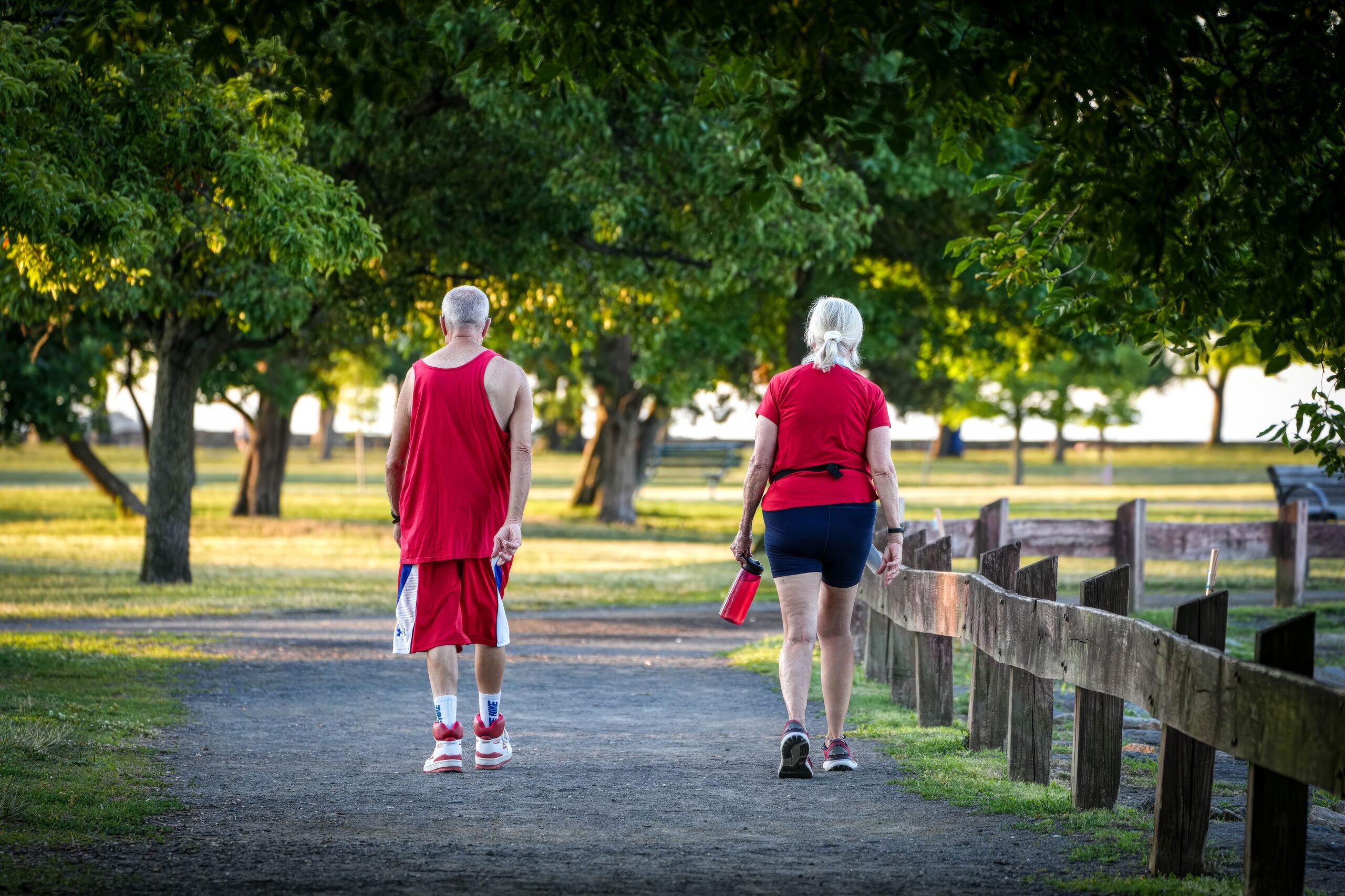
SPRINTT measured independence, not gym performance
The SPRINTT trial, led by Roberto Bernabei and colleagues, enrolled adults aged 70 and older living in the community with physical frailty and sarcopenia, a muscle disorder involving low strength and low muscle quantity or quality, across several European countries. Participants could walk 400 meters independently when they entered the study. The intervention combined moderate physical activity twice weekly at a center and up to four times weekly at home, personalized nutritional counseling and activity monitoring; the comparison group received healthy-aging education.
In SPRINTT, the main group chosen for analysis before the results were known had low starting physical-performance scores of 3 to 7 out of 12. People assigned to the intervention were less likely to lose the ability to walk 400 meters than those assigned to health education. Physical-performance scores also improved. This is evidence about mobility and function in people who also had low lean tissue in their arms and legs, used to estimate muscle mass, not proof that frailty was permanently reversed.
The result for persistent loss of walking ability was less certain: the analysis could not clearly rule out chance. A separate exploratory analysis of people with better starting performance did not find a benefit. Serious adverse events were common in both main groups, and the difference between groups was not statistically clear. However, total adverse events were more frequent with the intervention, and the investigators reported more falls, so the program should not be described as risk-free. The result concerns a combined program in a defined high-risk population; it does not show that every frail adult will return to a robust state.
SPRINTT was conducted through an EU public-private partnership, and member companies of the European Federation of Pharmaceutical Industries and Associations provided in-kind support. The paper states that academic members interpreted the results independently and that an independent statistician replicated the analyses.
How does measuring walking independence change the meaning of a frailty intervention's success?
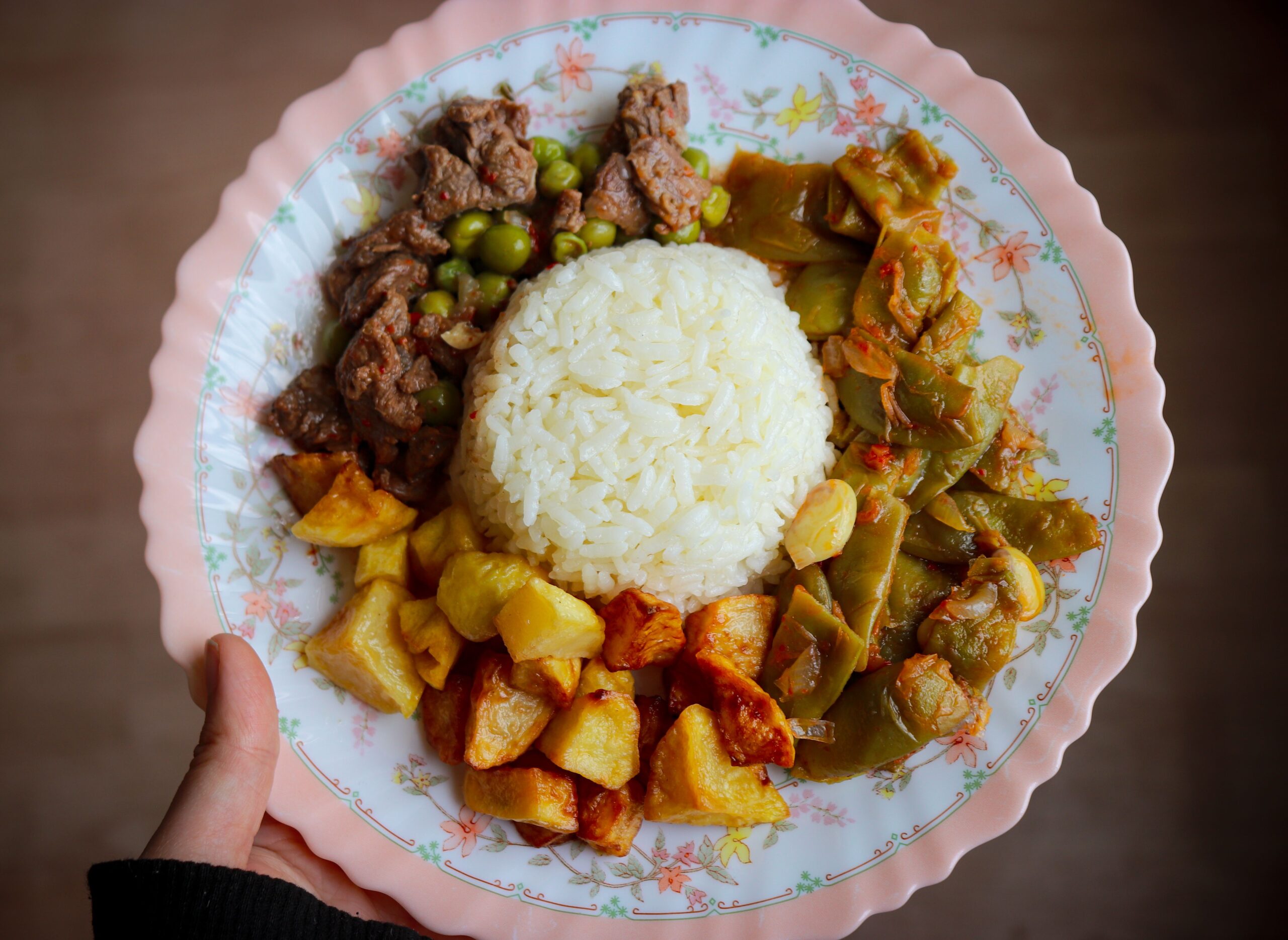
Where may nutrition support help—and what are its limits?
Frailty can coexist with inadequate calorie and protein intake, swallowing problems, dental problems, isolation, medication side effects or difficulty shopping and cooking. A nutrition plan has to solve the actual barrier.
The ICFSR frailty guideline conditionally recommends protein or calorie supplementation when weight loss or undernutrition has been diagnosed, based on very-low-certainty evidence. It also conditionally supports pairing nutrition support with physical activity, based on low-certainty evidence. That is narrower than recommending protein supplements to everyone with frailty.
That distinction matters for products marketed as muscle solutions. Adding a shake may help someone who cannot meet needs from meals. It will not correct an untreated thyroid disorder, medication-related dizziness, dental pain or an unsafe home environment.
A registered dietitian can assess whether calorie, protein, fluid, vitamin and mineral intake meets needs while accounting for kidney disease, diabetes, swallowing safety and food access. Unintentional weight loss should be investigated rather than automatically treated as a request for a supplement recommendation.
What else can contribute to frailty?
The ICFSR guideline recommends that a positive frailty screen lead to clinical assessment. The current British Geriatrics Society CGA hub describes comprehensive geriatric assessment as a review by several professionals of physical and mental health, daily function, social support, the home environment and future care needs. It is followed by a coordinated plan for the individual.
That review may identify reversible or treatable contributors:
| Contributor | What assessment may uncover | Relevant professional |
|---|---|---|
| Medication burden | Drowsiness, low blood pressure, low blood sugar or drug interactions | Physician or pharmacist |
| Undernutrition | Low intake, swallowing difficulty, dental problems or food insecurity | Dietitian, speech-language pathologist, dentist or social worker |
| Pain and mobility limits | Arthritis, injury, poor footwear or need for an assistive device | Physical therapist, occupational therapist or clinician |
| Mood and thinking | Depression, grief, isolation, sudden confusion (delirium) or declining thinking skills | Primary-care, geriatric or mental-health team |
| Home hazards | Stairs, lighting, bathroom access and fall hazards | Occupational therapist or falls service |
The table reflects the comprehensive-geriatric-assessment approach. Several problems can contribute to frailty at once. Treating weakness alone can miss another reason daily function declined.
A sudden change is not “just frailty”
Do not assume that a sudden decline is simply frailty. The ICFSR guideline specifically calls for assessment of treatable causes of weight loss and exhaustion, including depression, anemia, low blood pressure, hypothyroidism and vitamin B12 deficiency, as well as medication burden. Sudden confusion requires immediate medical assessment, and the CDC advises calling 911 for sudden one-sided weakness, confusion, trouble speaking, loss of balance or other stroke signs.
Repeated falls, continuing unintentional weight loss, new swallowing difficulty, persistent exhaustion or a clear loss of ability to shop, bathe, dress or prepare food also deserve clinical attention. NHS guidance notes that unintentional weight loss can have medical, nutritional, medication-related and mental-health causes and should be evaluated. Exercise remains important, but it should not delay evaluation for the condition driving the decline.
What the evidence adds—and what it cannot promise
The evidence supports improvement in frailty status and physical performance for some older adults, with Money and colleagues’ overview finding the most consistent evidence for activity that includes resistance training. Nutrition assessment can identify inadequate intake, and structured programs can reduce mobility disability in selected adults.
It cannot promise complete reversal for every person, show that one exercise or supplement is sufficient, or establish that improving a frailty score extends human lifespan. The full boundary map is in Extra Insights. These boundaries reflect the 2025 overview of reviews, SPRINTT and the ICFSR clinical guideline.
What’s Interesting
Frailty research has moved toward outcomes that are easy to recognize in ordinary life. The SPRINTT endpoint was not a molecule or scan. It was the ability to walk 400 meters within 15 minutes without another person or a walker.
That is the practical connection to living longer and better: reserve matters when the body meets a stressor, but independence is experienced through what a person can still do.
What This Means in Practice
The ICFSR guideline calls for a positive frailty screen to lead to clinical assessment and a comprehensive care plan. The British Geriatrics Society describes how that assessment brings together medical, medication, nutrition, movement and practical concerns. Useful questions for that conversation include which definition of frailty applies, which contributors may be treatable and which types of professional support address them.
The trials measured changes in walking, chair rises, falls and frailty status, rather than simply how much weight participants could lift. Those outcomes help explain what a care plan is trying to preserve: the ability to move and manage daily life. The studies do not supply one exercise routine or food target suitable for every frail adult.
Because balance is one component of physical resilience, Improve Balance After 60 explains the tests and training evidence in more detail.
Bottom Line
Frailty can improve in some older adults, but the evidence does not guarantee recovery for someone with severe frailty or established disability. Money and colleagues’ overview supports activity containing resistance training and some combined nutrition programs; the ICFSR guideline calls for assessment of treatable contributors and an individualized care plan. No intervention guarantees a return to robustness or a longer lifespan, but preserving mobility and independence is central to living life longer and better—and a meaningful outcome in its own right.
A NOTE FROM LONGEVITY365
We read research, consult expert perspectives and work to make complicated health information easier to understand. What you’re reading here reflects how we’ve interpreted and organized that information. It is educational content—not personal medical advice, diagnosis or treatment guidance.
We’re not perfect, and neither is the available research. Evidence changes, new studies emerge and what’s appropriate for one person may not be appropriate for another.
Use this article as a starting point for your own research and conversations with qualified professionals. Always talk with your doctor or another trusted healthcare professional before making decisions that could affect your health, particularly if you take medications, are receiving treatment, have existing health conditions, are pregnant or have other circumstances that could affect what’s appropriate for you.
Reader Questions
A few questions to carry into the comments or your next conversation. Please leave out identifying or personal medical details.
- 01Which measurement or milestone would feel useful to track without letting it take over the whole point of moving?
- 02Which real-world barrier did the article address most usefully: time, confidence, access, recovery, or knowing where to start?
- 03What question would you bring to a clinician, physical therapist, trainer, or exercise professional after reading about Can Frailty Be Reversed?
Extra Insights & Sources
The evidence summaries and linked sources behind this article.
Evidence boundary map
| What the evidence supports | What it cannot promise |
|---|---|
| Frailty status and physical performance can improve in some older adults | Complete reversal for every person |
| Money and colleagues found the most consistent evidence for activity containing resistance training | That one exercise, supplement or device is sufficient |
| Nutrition assessment can identify and address inadequate intake | That more protein helps when intake is already adequate or a medical cause is untreated |
| Structured programs can reduce mobility disability in selected adults | A direct increase in human lifespan |
What We Know
- Frailty is distinct from normal aging, multimorbidity and disability, although they can overlap. Established clinical concept. (Fried phenotype)
- Resistance-containing physical activity can improve or reverse frailty status in some community-dwelling older adults. Supported. (2025 overview)
- A multicomponent physical-activity and nutrition intervention reduced mobility disability in a defined subgroup of frail older adults in SPRINTT. Supported and population-specific. (SPRINTT)
What We Don’t Know
- Which combination, dose and duration works best for each frailty subtype. Unknown. Definitions and programs vary.
- How often a categorical “reversal” persists after supervised support ends. Uncertain. Adherence is a major limitation.
- Whether reversing a frailty score directly extends lifespan. Unknown. Trials more often measure function, falls, hospitalization or mobility disability.
Detailed trial results
The 2025 overview included 23 reviews covering 98 unique primary studies and 18,768 community-dwelling adults aged 50 and older. Only six reviews were rated high quality. Across 28 primary studies and 3,246 participants, physical activity containing resistance training at least twice weekly improved validated frailty status. Nine studies with 1,812 participants supported combined nutrition and resistance-containing activity. An eight-week resistance-training trial in 66 pre-frail adults found no improvement in frailty status.
SPRINTT enrolled 1,519 people; its prespecified main analysis included 1,205 with Short Physical Performance Battery (SPPB) scores of 3–7 out of 12. The battery combines balance, walking and chair-rise tests; higher scores indicate better performance. Serious adverse events were reported in 39.2% of this intervention group and 36.0% of controls, a difference that was not statistically clear. Total adverse events and falls were more frequent with the intervention.
Among participants with lower baseline physical-performance scores, mobility disability—defined as inability to walk 400 meters within 15 minutes—occurred in 46.8% of the intervention group and 52.7% of controls over an average 26.4 months. The hazard ratio was 0.78, meaning a 22% lower relative rate of mobility disability during follow-up, not a 22-percentage-point difference in the proportion affected, and physical-performance scores favored the intervention at 24 and 36 months (SPRINTT investigators, BMJ).
Sources
- Fried et al., Cardiovascular Health Study (2001): analysis of 5,317 community-dwelling adults aged 65+ that operationalized the five-feature physical frailty phenotype and showed that it overlapped with, but was not synonymous with, disability or having multiple chronic conditions (multimorbidity). This is a definition derived by following a group over time, not an intervention trial. https://pubmed.ncbi.nlm.nih.gov/11253156/
- Dent et al., ICFSR physical-frailty guideline (2019): clinical guideline using GRADE, a framework for rating evidence certainty and recommendation strength, recommending validated screening followed by clinical assessment, a comprehensive care plan and multicomponent activity with progressive resistance training. Nutrition supplementation is conditional and limited to undernutrition/weight loss or use alongside activity; several recommendations rest on low or very-low-certainty evidence. https://pmc.ncbi.nlm.nih.gov/articles/PMC6800406/
- Money et al., BMC Geriatrics (2025): overview of 23 reviews, 98 unique primary studies and 18,768 community-dwelling adults aged 50+; resistance-containing physical activity and some combined activity/nutrition programs improved validated frailty status, but definitions and interventions varied and only six reviews were high quality. https://pubmed.ncbi.nlm.nih.gov/40097929/
- Bernabei et al., SPRINTT, BMJ (2022): randomized controlled trial (RCT) at 16 sites in 1,519 adults aged 70+ with low physical performance and lean mass in the arms and legs but no baseline 400-meter mobility disability. Benefit applied to the prespecified SPPB 3–7 population; persistent disability was inconclusive, the exploratory SPPB 8–9 group did not benefit, and total adverse events and falls were more frequent with intervention. The EU public-private partnership and industry in-kind support are disclosed above. https://pubmed.ncbi.nlm.nih.gov/35545258/
- Physical Activity Guidelines for Americans, older-adult midcourse report: current federal summary recommending aerobic, muscle-strengthening and balance activity, with adaptation when abilities or conditions limit the standard target. It is population guidance, not a frailty-treatment protocol. https://odphp.health.gov/our-work/nutrition-physical-activity/physical-activity-guidelines/current-guidelines/midcourse-report/10-things-know
- World Health Organization ICOPE handbook, second edition (2025): current primary-care framework for detecting declines in intrinsic capacity, identifying social-support needs and forming an individualized care plan. It is broader integrated-care guidance, not evidence that a specific frailty score will reverse. https://www.who.int/publications/i/item/integrated-care-for-older-people-(-icope)-guidance-for-person-centred-assessment-and-pathways-in-primary-care
- British Geriatrics Society CGA hub: current professional guidance describing comprehensive geriatric assessment across physical, psychological, functional, social, environmental and future-care domains. https://www.bgs.org.uk/CGA
- CDC stroke signs (reviewed 2026): lists sudden one-sided weakness, confusion, speech difficulty, balance loss and other stroke signs and directs readers to call 911 immediately. https://www.cdc.gov/stroke/signs-symptoms/index.html
- NHS sudden confusion and unintentional weight-loss guidance: sudden confusion requires immediate assessment; continuing unintentional weight loss warrants evaluation for medical, nutritional, medication-related and mental-health causes. https://www.nhs.uk/symptoms/confusion/ and https://www.nhs.uk/symptoms/unintentional-weight-loss/
Photo credits
Images from Pexels.
- featured: Photo by Funkcinės Terapijos Centras — original Pexels photo.
- inline-1: Photo by Gizem Gökce — original Pexels photo.
- inline-2: Photo by Cara Denison — original Pexels photo.
Leave a Reply