
Bone Density & Osteoporosis
Strength Training for Bone Health
Exercise programs can support bone strength and reduce falls and fractures, but the safest loading depends on fracture risk and supervision.
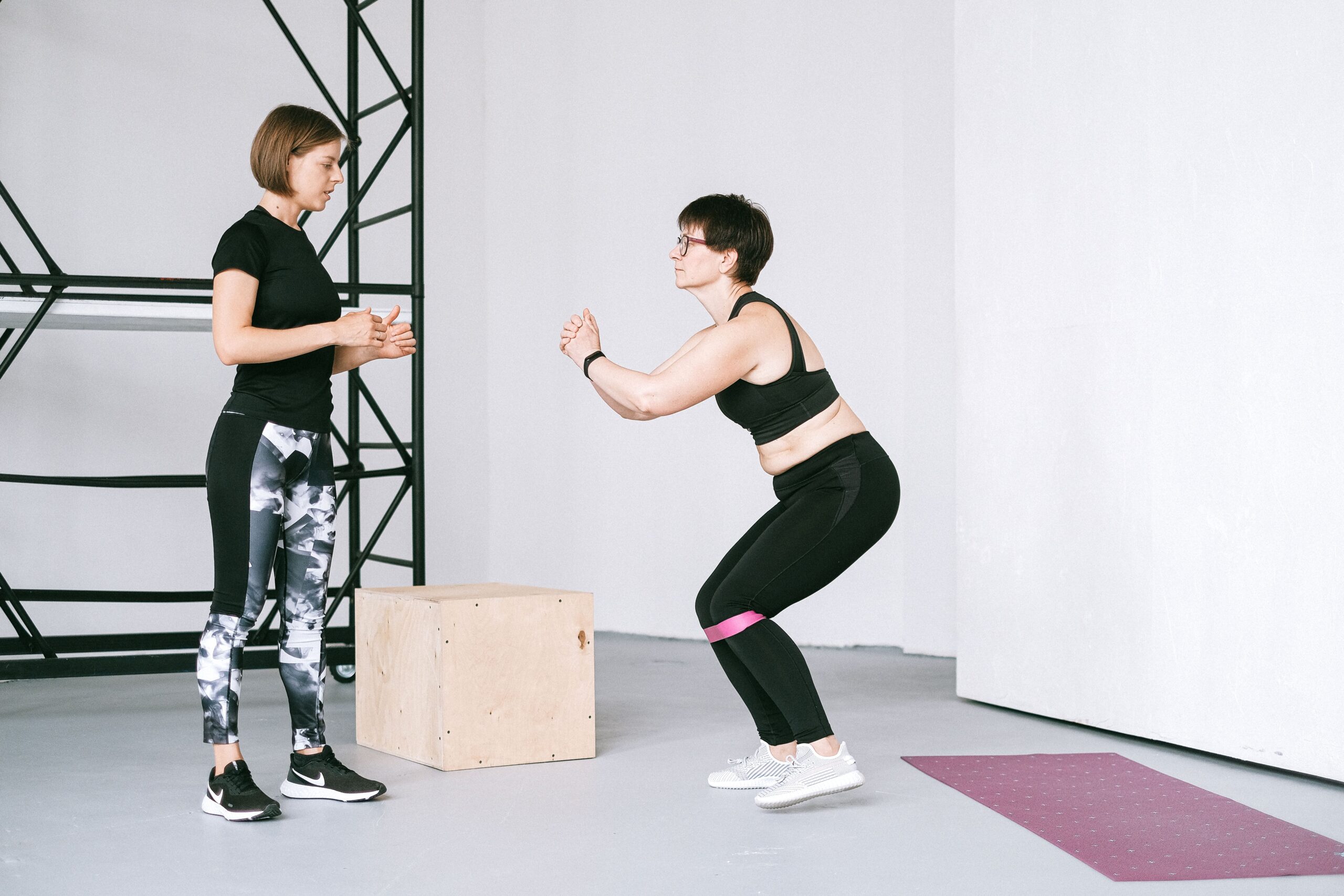
Bone responds to load. That’s the idea behind strength training for bone health, and it’s well supported. Humanic Blue follows the harder questions: how much load, what kind, and what’s safe if your bones are already thin?
The evidence concerns exercise programs, rather than one particular lift. A 2022 review combining controlled trials in adults 45 and older linked exercise programs with about one-third fewer low-trauma fractures—breaks after a fall from standing height or a similarly minor injury. Some trials did not assign participants randomly, and the review did not isolate strength training. Osteoporosis Canada’s guidance combines gradually harder resistance exercise with balance and everyday movement training. It makes impact exercise, such as running or jumping, dependent on fracture risk and physical capacity. Small trials found that closely supervised high-intensity resistance-and-impact programs improved bone density in selected, generally healthy women and men with low bone mass. Those protocols are evidence for supervised programs, not instructions to begin heavy deadlifts or jumping without assessment. For living longer and better, preventing fractures can help preserve mobility and independence.
Key Takeaways
- Across controlled trials, exercise programs were associated with fewer low-trauma fractures in adults 45 and older; differences between studies and nonrandom assignment mean they cannot establish precisely how much benefit a particular program causes.
- Osteoporosis Canada recommends progressive resistance, balance and functional training for postmenopausal women and men age 50 or older; impact exercise depends on fracture risk and capacity.
- Supervised high-intensity training raised spine density in small trials of women and men with low bone mass. The selected populations and close supervision limit how widely those findings apply.
- UK and Canadian guidance calls for adapting certain bending and twisting movements, especially at high fracture risk.
Does strength training prevent fractures?
Bone-density gains do not by themselves establish that an exercise program prevents fractures. A 2022 meta-analysis in the Journal of Bone and Mineral Research, led by Isabelle Hoffmann of Friedrich-Alexander University Erlangen-Nürnberg, pooled 20 controlled exercise trials in adults 45 and older. Participants’ combined time in the studies amounted to about 23,000 years of follow-up; the detailed results are below.
The review compared how often fractures occurred in exercise and comparison groups over their time in the studies. Its results do not mean every program lowers an individual’s risk by the same amount. It included nonrandomized studies and enrolled people 45 or older without diseases or treatments affecting fracture risk. Results varied across trials. The supervised and predominantly unsupervised estimates came from comparisons across programs rather than random assignment to supervision, so program setting and participant differences could partly explain the larger supervised estimate. The 2026 exercise guideline from the German-speaking osteology umbrella organization DVO nevertheless strongly recommends qualified supervision for fracture-prevention programs while noting that no single protocol fits every risk group.
The complete fracture-rate comparison is in Extra Insights.
How does evidence about fractures differ from evidence about bone-density gains?
What kind of training
The UK consensus statement Strong, Steady and Straight, published in the British Journal of Sports Medicine in 2022, was developed by a multidisciplinary group that included the Royal Osteoporosis Society. It recommends three complementary aims for people with osteoporosis:
- resistance and suitable impact exercise to support bone strength;
- strength and balance work to reduce falls; and
- exercises that strengthen the back in an upright or extended position to support posture and potentially reduce falls and spinal fractures.
Resistance. Progressive resistance means making the work more challenging over time by changing load, repetitions, sets or exercise difficulty. The 2023 Osteoporosis Canada guideline conditionally recommends progressive resistance at least twice weekly, including abdominal muscles and the muscles that straighten the back; the 2026 DVO guideline also recommends at least two weekly bone-strength sessions, tailored to risk and capacity.
Impact. Impact means weight-bearing loading in which the body meets the ground with some force, such as stepping, running or jumping. Osteoporosis Canada says moderate- or high-impact work should be added only when appropriate for fitness and fracture risk; its safety and effectiveness are uncertain in people at high fracture risk.
Balance and function. Osteoporosis Canada strongly recommends balance and functional training—practising movements used in daily life—at least twice weekly to reduce falls, based on evidence it rates as moderately certain. Fall-prevention training is covered in How Can Older Adults Prevent Falls?.
How hard were the high-intensity trials?
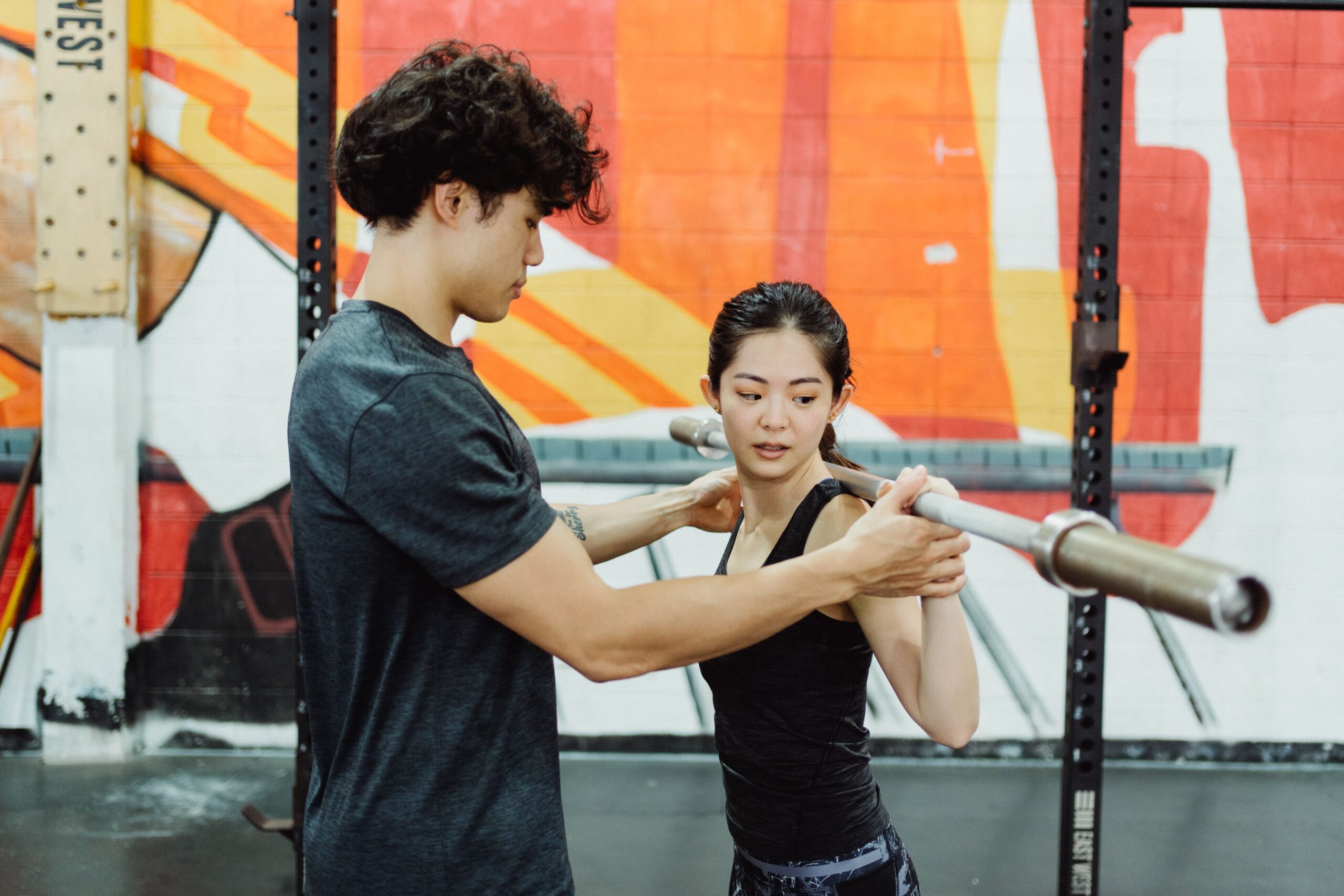
Supervised, high-intensity programs developed at Griffith University in Australia tested whether demanding exercise could improve bone mineral density (BMD) in selected people with low bone mass.
Women (LIFTMOR). The LIFTMOR randomized trial studied postmenopausal women averaging 65 with low bone mass. It excluded conditions and medicines affecting bone or physical function. Over eight months, the closely supervised high-intensity resistance-and-impact group gained lower-spine density while the low-intensity home-exercise group lost density. One mild back-muscle strain occurred during supervised training. Some participants did not complete follow-up, and the trial measured density and function—not fracture prevention. Exact results and the schedule appear below in Source Materials. More context appears in Can Bone Density Improve?.
Men (LIFTMOR-M). The men’s trial, published in the Journal of Bone and Mineral Research in 2020, studied generally healthy men averaging 67 with low hip or spine density. Men were randomly assigned between two supervised exercise programs. A separate usual-activity comparison group was selected to resemble them, rather than assigned randomly. That makes differences from this comparison group harder to attribute to exercise alone.
Over eight months, the high-intensity resistance-and-impact group gained more density at the spine and the trochanter (the outer upper part of the thigh bone near the hip) than the usual-activity group. It also improved lean body mass and performance in standing from a chair and a timed standing, walking and sitting task.
There were five minor adverse events across both exercise groups. The trial excluded several conditions that could interfere with exercise or bone metabolism, recent fracture or lower-limb surgery and current high-intensity training. Senior author Belinda Beck and another author were affiliated with The Bone Clinic in Brisbane. It measured BMD, lean mass and functional outcomes—not fracture reduction. Exact group sizes and density changes appear below in Source Materials.
Which supervision and eligibility details matter when interpreting LIFTMOR's findings?
What needs adapting with osteoporosis?
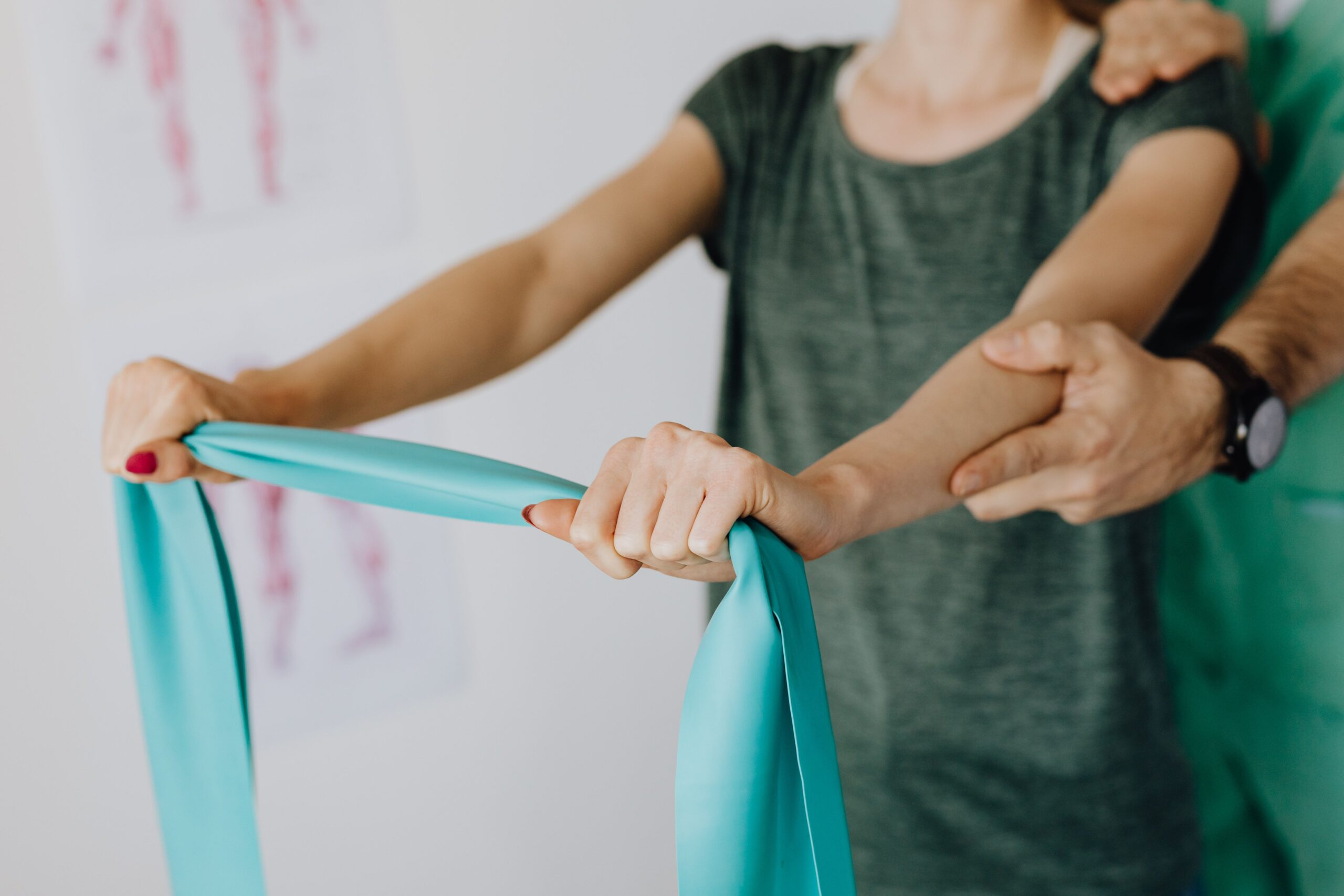
The UK consensus and the newer Osteoporosis Canada guideline support adapting exercise to fracture risk rather than issuing a universal ban on movement:
- Modify higher-risk spinal loading. Rapid, repeated, prolonged or weighted bending and twisting, or movement to the limit of the spine’s range, may need modification, particularly for someone at high fracture risk.
- Be conservative with impact after vertebral or multiple low-trauma fractures. The UK consensus generally limits impact in this group to roughly the force of brisk walking; Osteoporosis Canada says evidence for impact exercise at high fracture risk is uncertain.
- Prioritize balance and function when falls are a concern. These are the components with the clearest falls evidence.
The UK group found little evidence of serious exercise-related harm overall but also relied on expert consensus where direct evidence was sparse. One author disclosed directing a not-for-profit organization that trains fitness professionals who work with older people. Osteoporosis Canada advises seeking an exercise professional trained in osteoporosis, especially after a recent fracture or at high fracture risk. The 2026 DVO guideline likewise calls for cautious, progressive conditioning and individualized loading.
What’s Interesting
The supervision finding is promising, not a randomized test of supervision. Mostly supervised programs had lower rates of major osteoporotic fractures—breaks at the hip, spine, forearm or upper arm—than their comparison groups. The estimate for mostly unsupervised programs was smaller and uncertain enough to include no difference. Because those were across-study subgroups, the difference could reflect supervision, how consistently people took part, program design, participants or setting. The DVO guideline recommends qualified supervision, and Osteoporosis Canada advises an exercise professional trained in osteoporosis, especially after a recent fracture or at high fracture risk. The review does not establish that unsupervised movement has no value.
What This Means in Practice
For living longer and better, strength training is part of protecting bone, and how it’s done matters.
- Fracture risk shapes the program. UK and Canadian guidance adapts exercise to previous fractures, falls and physical capacity. A DXA bone-density scan is one part of that assessment.
- The components do different jobs. Osteoporosis Canada recommends progressive resistance plus balance and everyday movement training for postmenopausal women and men age 50 or older. Impact exercise depends on fitness and fracture risk.
- Some spinal movements need adapting. UK and Canadian guidance calls for modifying certain rapid, repeated, prolonged, weighted or full-range bending and twisting movements, particularly at high fracture risk.
- Supervision and progression matter. Osteoporosis Canada advises a professional trained in osteoporosis, especially after a recent fracture or at high fracture risk. The DVO guideline calls for cautious, gradual preparation and individualized loading.
A physical therapist can design a program around your bone density and fracture history. A clinician can advise on medications alongside exercise.
Bottom Line
Strength training belongs in a broader fracture-prevention program. Controlled trials associate exercise with fewer low-trauma fractures, but the evidence does not isolate lifting or prove that supervision alone caused the larger estimates in supervised programs. Current guidelines prioritize progressive resistance plus balance and functional work, with impact and spinal loading adapted to fracture risk. Closely supervised high-intensity programs improved BMD in selected women and men with low bone mass, but the trials were small, screened out important conditions and did not establish fracture prevention. Whether this adds years has not been tested; preserving bone, balance and mobility is about living longer and better without preventable loss of independence.
A NOTE FROM LONGEVITY365
We read research, consult expert perspectives and work to make complicated health information easier to understand. What you’re reading here reflects how we’ve interpreted and organized that information. It is educational content—not personal medical advice, diagnosis or treatment guidance.
We’re not perfect, and neither is the available research. Evidence changes, new studies emerge and what’s appropriate for one person may not be appropriate for another.
Use this article as a starting point for your own research and conversations with qualified professionals. Always talk with your doctor or another trusted healthcare professional before making decisions that could affect your health, particularly if you take medications, are receiving treatment, have existing health conditions, are pregnant or have other circumstances that could affect what’s appropriate for you.
Reader Questions
A few questions to carry into the comments or your next conversation. Please leave out identifying or personal medical details.
- 01Which measurement or milestone would feel useful to track without letting it take over the whole point of moving?
- 02Which real-world barrier did the article address most usefully: time, confidence, access, recovery, or knowing where to start?
- 03What question would you bring to a clinician, physical therapist, trainer, or exercise professional after reading about Strength Training for Bone Health?
Extra Insights & Sources
The evidence summaries and linked sources behind this article.
What We Know
- Exercise programs are associated with fewer low-trauma and major osteoporotic fractures in controlled trials of adults 45 and older. Supported with design limitations.
- Progressive resistance, balance and functional training are recommended for adults at fracture risk; impact loading is conditional on risk and capacity. Supported by guidelines.
- Some spinal-loading patterns may need modification at high fracture risk; this is not a universal instruction to avoid all bending or twisting. Guideline good practice.
What We Don’t Know
- Whether high-intensity lifting prevents fractures, rather than changing density and function. Unknown. The LIFTMOR trials were not powered for fracture outcomes.
- How much of the larger fracture estimate in supervised programs is caused by supervision itself. Uncertain. Supervision was not randomized across trials.
- The best dose and intensity for each combination of bone loss, fracture history, falls risk and health conditions. Uncertain.
- Whether strength training for bone extends lifespan. Unknown.
Fracture-rate estimates
| Program type | Low-trauma fractures (rate ratio) | Major osteoporotic fractures (rate ratio) |
|---|---|---|
| All exercise | 0.67 | 0.69 |
| Mostly supervised | 0.44 | 0.38 |
| Mostly unsupervised | 0.83 (not significant) | 0.82 (not significant) |
Low-trauma fractures follow a fall from standing height or a similarly minor injury. Major osteoporotic fractures are hip, spine, forearm and upper arm fractures. These ratios compare fracture rates over follow-up time with the comparison groups: 1 would mean equal rates; 0.67 means about a third fewer fractures per unit of follow-up time. “Not significant” means the evidence remains compatible with no difference, not proof of no benefit. Supervision subgroups came from different studies, rather than randomized assignment to supervision.
Source Materials
- Hoffmann et al. — Exercise and low-trauma fractures — 2022 systematic review and meta-analysis of 20 controlled exercise studies in adults 45 or older, totaling 11,836 exercise-group and 11,275 control-group participant-years. Supports the overall and supervision-stratified incidence-rate estimates. It included nonrandomized trials, excluded cohorts with fracture-related diseases or therapies, and compared supervision across studies rather than randomizing it.
- Kemmler et al. — DVO exercise-for-fracture-prevention guideline — 2026 evidence- and consensus-based guideline supporting individualized programs, qualified supervision, progressive preparation, weight-bearing or dynamic strength work and at least twice-weekly bone-strength sessions. It combines evidence review with professional consensus and states that no single protocol fits every risk group.
- Giangregorio et al. — Osteoporosis Canada 2023 guideline — Clinical guideline using GRADE, a system for rating evidence certainty and recommendation strength, supporting twice-weekly balance/functional training, conditional progressive resistance, risk-based impact exercise and modification of certain spinal-loading patterns. Its exercise recommendations apply to postmenopausal women and men age 50 or older, and some male evidence was indirect.
- Brooke-Wavell et al. — Strong, Steady and Straight — 2022 UK multidisciplinary consensus supporting resistance, suitable impact, balance and spinal-extension work plus added precautions after vertebral or multiple low-trauma fractures. Where evidence was absent, recommendations used expert consensus; one author disclosed directing a relevant not-for-profit training organization.
- Watson et al. — LIFTMOR randomized trial — Eight-month trial in 101 screened postmenopausal women with low bone mass, comparing twice-weekly supervised high-intensity resistance-and-impact training with low-intensity home exercise. Training sessions lasted 30 minutes. Lower-spine BMD rose 2.9% in the training group versus a 1.2% decline with home exercise, relative to each group’s starting density. Fifteen participants were lost to follow-up; one mild back-muscle strain occurred in more than 2,600 supervised sessions. Supports these density, follow-up and adverse-event details, but not a fracture-prevention conclusion; senior author Belinda Beck and another author listed The Bone Clinic affiliations.
- Harding et al. — LIFTMOR-M semi-randomized trial — Eight-month study of 93 generally healthy men with low BMD; two exercise groups were randomized, while the matched usual-activity control was not. The high-intensity group had 34 men and the usual-activity comparison group 26. Spine density rose 4.1% versus 0.9%; trochanter density rose 2.8% versus a 0.1% decline, relative to each group’s starting density. Supports the BMD, body-composition, function and adverse-event results. The sample was selected, fracture was not an efficacy outcome, and authors had The Bone Clinic affiliations.
Photo credits
Images from Pexels.
- featured: Photo by Anna Shvets — original Pexels photo.
- inline-1: Photo by Ketut Subiyanto — original Pexels photo.
- inline-2: Photo by https://kaboompics.com/ — original Pexels photo.
Leave a Reply