
Balance & Fall Prevention
How Can Older Adults Prevent Falls?
Balance-focused exercise has the most consistent trial evidence for preventing falls. Medicine, eyesight, blood-pressure and home checks help when they fit.
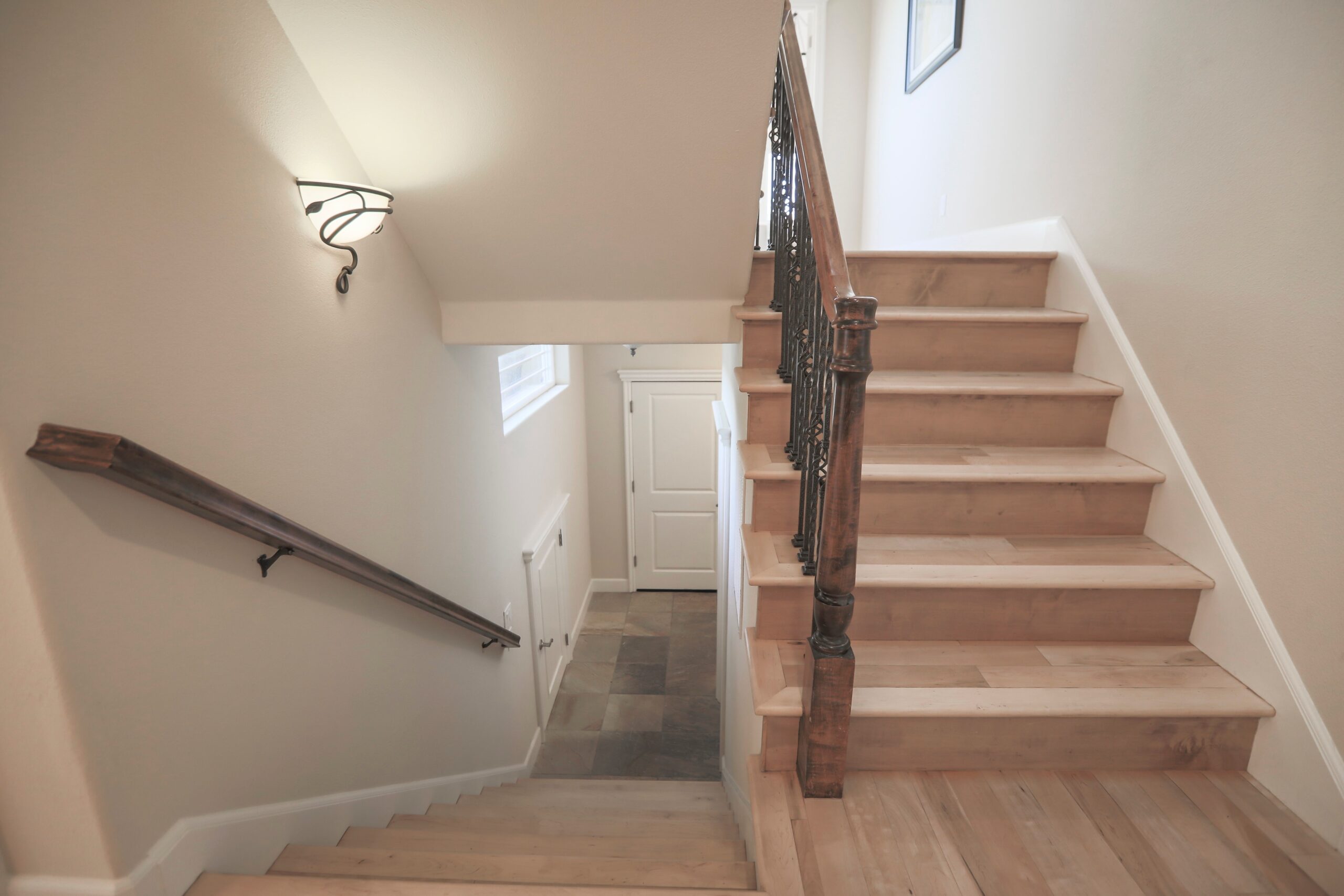
A fall is rarely one mistake. A dim hallway, a new prescription, standing up a little too fast and legs with less push than they used to have can all line up on the same afternoon. Humanic Blue traces how those risks combine—and where the evidence says prevention can help. The Centers for Disease Control and Prevention (CDC) says more than one in four adults 65 and older falls each year, and fewer than half tell a doctor.
So how can older adults prevent falls? The US Preventive Services Task Force (USPSTF), an independent panel of prevention experts, recommends exercise programs for people 65 and older at higher risk. Most of the programs it reviewed trained balance, walking and everyday movements, often with strength work. Cochrane’s large review of the trials rated the evidence that exercise reduces falls as high certainty. Checking medicines, eyesight, blood pressure, feet and home hazards helps most when it’s matched to a person’s actual risks. For living longer and better, the aim is to keep moving safely, not to move less.
In This Article
- Exercise that trains balance and everyday movement cuts falls
- Balance work has to actually challenge balance
- A previous fall is a clue worth reporting
- Medicines, eyesight and blood pressure: check what applies
- Home fixes and bundled programs: mixed results
- Vitamin D isn’t a fall-prevention pill
- The trials and numbers behind all of this
Key Takeaways
- Cochrane found high-certainty evidence that programs built around balance and everyday movements reduce falls in older adults living at home.
- Cochrane also found benefits from programs combining balance and strength work. These findings do not isolate what adding strength contributes; effects of strength training, walking or dance alone remained uncertain.
- Medication reviews and home changes have mixed results as stand-alone fixes. The Task Force supports individualized decisions about programs addressing several identified risks.
- Exercise’s effect on broken bones is less certain than its effect on falls. The Task Force’s pooled trials did not establish a reduction in deaths.
- The Task Force’s final 2018 advice opposes vitamin D solely for fall prevention in adults 65 and older living at home; its later draft is not final. These prevention statements do not address treating osteoporosis or diagnosed vitamin D deficiency.
Which movements do fall-prevention programs train?
The USPSTF’s 2024 recommendation gives exercise a B grade, meaning the Task Force recommends it, for adults 65 and older who live at home and are at increased risk of falling. Nearly all the programs it reviewed trained gait (walking), balance and functional movement, and about two-thirds added strength work. The most common schedule was two or three sessions a week for about a year.
“Functional” here means practicing what ordinary life asks of you: standing up from a chair, turning, stepping, reaching, climbing stairs. The CDC’s STEADI program even hands out a one-page chair-rise exercise.
The Task Force was candid that no single ingredient stands out: “It is difficult to identify specific components of exercise that are particularly effective.”
Cochrane, the international network known for systematic reviews of medical evidence, combined 108 randomized trials from 25 countries. Its 2019 review, with University of Sydney researcher Catherine Sherrington as lead author, found exercise cut the rate of falls by about 23% and the number of people who fell by about 15% (Note 1). Participants averaged 76 years old. Fall rate counts all falls, including repeated falls by one person; the number of people who fall counts each person once. Tai chi showed a benefit too. How the reviews worked
The certainty drops for broken bones. Cochrane rated the evidence that exercise reduces fall-related fractures as low certainty, partly because fewer trials reported fractures.
Strength and balance were often trained together
The National Institute on Aging (NIA), part of the NIH, links age-related muscle loss to trouble standing, walking and climbing stairs, and to a higher risk of falls. It suggests weights or resistance bands for strength, and tai chi, yoga or Pilates for balance and strength.
In Cochrane’s analysis, programs that combined balance and functional exercise with resistance training probably cut the rate of falls by about a third. Programs that were mainly resistance training, dance or walking left the reviewers uncertain about any effect on falls. The NIA still lists walking as weight-bearing activity that may slow bone loss, but in these trials it wasn’t shown to prevent falls on its own.
Moving less isn’t a safety plan either. The NIA notes that fear of falling can lead people to avoid walking, shopping or social activities, and says staying active actually helps prevent falls. The CDC adds that when a person is less active, they get weaker, which raises the chance of falling.
What distinguishes a fall-prevention program combining several types of exercise from strength work alone?
Balance work has to challenge balance
Standing still on two feet doesn’t ask much of the balance system. In a 2017 analysis of 88 trials, Sherrington’s team found bigger effects from programs that challenged balance and added up to more than three hours of exercise a week. Together, those features were linked with about 39% fewer falls, compared with about 21% for exercise overall (Note 2). That’s a comparison across trials, not a head-to-head test, but it points the same way as the Cochrane review.
What “challenging” looks like varies. In one tai chi program in the Cochrane review, classes progressed toward a narrower stance and toward standing on one leg. The right level depends on current ability, which is where a physical therapist can help.
The Task Force left out studies done only in people with Parkinson’s disease or moderate-to-severe cognitive disorders such as dementia, because their care counts as disease management. Sherrington’s 2017 analysis found early signs that exercise reduces falls in people with Parkinson’s or cognitive impairment, based on a handful of trials. People with those conditions, or with repeated falls or a walking aid, may need specialized guidance.
The CDC’s falls-intervention compendium describes 17 exercise programs that have been studied, with details on sessions, length and who runs them. It lets readers and clinicians check which population, staffing and schedule each tested program used.
What can a previous fall tell a clinician?
The CDC says falling once doubles your chances of falling again. The Task Force notes that intervention studies most often used a history of falls to spot higher risk, and suggests asking about past falls or problems with mobility.
The NIA advises always telling your doctor about a fall since your last checkup, even if it didn’t hurt. A fall can alert a doctor to a new medical problem, or to medication or eyesight issues that can be corrected. A fall with no obvious explanation is exactly the kind worth mentioning.
The circumstances of a fall can point to what’s behind it. Drawing on the NIA’s and CDC’s lists of risk factors:
- Lightheaded after standing up: blood pressure that drops on standing, which the NIA says a clinician can check lying and standing.
- Trouble rising from a chair or turning: strength, gait or balance, which a physical therapist can assess.
- Tripping in dim rooms or on steps: eyesight, lighting and home hazards.
- Falling soon after a new medicine or dose: a question for the prescriber or pharmacist.
- Foot pain, backless shoes or slick slippers: foot problems and footwear, which the NIA lists as risk factors.
- Rushing to the bathroom: incontinence, which the NIA notes can raise the chance of falling.
- Memory or thinking changes: the NIA says mild cognitive impairment and some types of dementia raise fall risk.
The list points to questions, not diagnoses.
Medicines, eyesight and blood pressure
Medicines. The NIA says some medicines raise fall risk by causing dizziness or confusion, and that the more medicines you take, the more likely you are to fall. The CDC names tranquilizers, sedatives and antidepressants, and says even some over-the-counter medicines can affect balance. Its STEADI program includes a pharmacy version, STEADI-Rx, that pharmacists use to lower fall risk. Prescriptions shouldn’t be stopped without the prescriber.
A medication review alone isn’t a complete answer. A 2022 review of 49 trials, with Amsterdam UMC geriatric medicine researcher Lotta Seppala as first author, found the trials too varied to estimate an exact effect, and no clear drop in falls for people living at home (Note 3). The authors advised using medication review as part of a plan that addresses several causes rather than as a stand-alone strategy. The review’s numbers
Eyesight and hearing. The NIA links even small changes in sight and hearing to a higher risk of falls. It suggests taking time to get used to new glasses and wearing a well-fitting hearing aid. The CDC’s vision and falls page recommends a dilated eye exam at least once a year.
Blood pressure. Getting up too quickly can make blood pressure drop, which the NIA says can leave you wobbly. Its advice: stand up slowly and have blood pressure checked lying down and standing.
Feet, canes and walkers. The NIA recommends nonskid, rubber-soled, low-heeled shoes, and no socks or smooth-soled slippers on stairs. A cane or walker should be the right size; borrowed equipment is worth having a clinician check. A physical or occupational therapist can fit a device and teach its use.
Do home fixes and bundled programs reduce falls?
The CDC’s home checklist is practical: remove throw rugs or tape them down, light every room and hallway with easy-to-reach switches or motion-sensor lights, and install stair handrails and bathroom grab bars. The NIA adds keeping your hands free on stairs and clearing ice by the door.
The trial results for home visits are mixed. In England’s OTIS trial of people 65 and older, one home visit by an occupational therapist didn’t reduce falls, and many of the therapists’ recommendations weren’t carried out (Note 4). A 2008 University of Sydney analysis of six earlier trials, with Lindy Clemson as lead author, found about 21% fewer falls overall, and more in high-risk groups (Note 2). Clemson’s team wrote that home assessments “that are comprehensive, are well focused, and incorporate an environmental-fit perspective with adequate follow-up” can work. Here, “environmental fit” means how well the home suits the person’s abilities and everyday movements, with follow-up to see whether changes were made. The home-modification trials
Bundled programs. “Multifactorial” programs assess several risks at once and build a personal plan. The Task Force gives them a C grade, meaning the decision should be individualized: “Existing evidence indicates that the overall net benefit of routinely offering multifactorial interventions to prevent falls is small.” In the trials it reviewed, people typically followed any single recommendation only 60% to 70% of the time.
The STRIDE trial tested that approach in real-world primary care. Nurses delivered risk assessments and personal plans to adults 70 and older at 86 US practices. Serious fall injuries were not clearly lower than with the comparison care, which also included fall-prevention information (Note 5). Fall injuries that participants reported themselves were modestly lower. How STRIDE worked
How do the trial findings separate home changes from programs combining several interventions?
Vitamin D isn’t a fall-prevention pill
In 2018, the Task Force recommended against vitamin D supplements to prevent falls in adults 65 and older living at home, saying the evidence showed they don’t prevent falls. Its 2024 falls statement left vitamin D to a separate review. A December 2024 draft again recommends against vitamin D for fall prevention, in postmenopausal women and men 60 and older. As of September 26, 2026, the Task Force lists that update as in progress, with the 2018 statement still final.
These recommendations don’t cover people with diagnosed vitamin D deficiency or osteoporosis, whose care is a separate conversation. The vitamin D statements
What’s Interesting
The advice for preventing falls fits on a fridge magnet. Rugs, lights, rails, balance class. The hard part is everything after the magnet.
Several of the disappointing trials share a plot twist: the plan was made but not fully carried out. In OTIS, many home recommendations weren’t acted on. In the Task Force’s review of bundled programs, people usually followed each recommendation 60% to 70% of the time. The STRIDE researchers opened their paper by noting that trials show many falls can be prevented, yet rates of falls causing injury haven’t declined.
The exercise trials that worked mostly ran supervised classes, two or three times a week, for months. It’s less a tip than a standing appointment.
What This Means in Practice
For living longer and better, the evidence supports fewer falls and fall injuries, and staying active and independent. The Task Force’s pooled analyses found no significant drop in deaths from exercise or bundled programs, so the case rests on function and injury, not extra years. Results are averages across many people, and every body is different.
The institutions’ guidance addresses different parts of a fall-risk assessment:
- Fall history: the NIA advises older adults to tell a clinician about any fall since the last checkup, even without injury.
- Movement: the Task Force recommends exercise for adults 65 and older living at home who have increased fall risk. The CDC’s clinical tools support assessment and referral to physical therapy or tested community programs.
- Medicines: the NIA and CDC identify dizziness, confusion and balance effects as reasons for a prescriber or pharmacist to review the full medication list. A review does not mean stopping prescriptions independently.
- Eyesight and blood pressure: CDC guidance calls for annual dilated eye examinations for older adults; NIA guidance includes checking blood pressure lying and standing when assessing fall risk.
- The home: the CDC checklist identifies lighting, rugs, rails and grab bars; the home-visit trials show why a written list alone may not change outcomes.
The CDC’s STEADI “Stay Independent” checklist can help organize information about falls and mobility for that conversation.
For the component that can be practiced and measured directly, Improve Balance After 60 reviews simple tests and training approaches.
Bottom Line
Exercise that trains balance, walking and everyday movement, often with strength work, reduces falls in older adults living at home, and Cochrane rates that evidence high certainty. The Task Force recommends it for those at increased risk. Medication reviews, vision care, blood-pressure checks, footwear and home changes help when they match an identified problem, though as stand-alone programs their trial results are mixed. The effect on fractures is less certain, and no trial shows fall prevention adds years of life. A primary care clinician, physical therapist, pharmacist, eye-care professional or occupational therapist can each take one link of the chain.
A NOTE FROM LONGEVITY365
We read research, consult expert perspectives and work to make complicated health information easier to understand. What you’re reading here reflects how we’ve interpreted and organized that information. It is educational content—not personal medical advice, diagnosis or treatment guidance.
We’re not perfect, and neither is the available research. Evidence changes, new studies emerge and what’s appropriate for one person may not be appropriate for another.
Use this article as a starting point for your own research and conversations with qualified professionals. Always talk with your doctor or another trusted healthcare professional before making decisions that could affect your health, particularly if you take medications, are receiving treatment, have existing health conditions, are pregnant or have other circumstances that could affect what’s appropriate for you.
Reader Questions
A few questions to carry into the comments or your next conversation. Please leave out identifying or personal medical details.
- 01Which part of bone, joint, or fall prevention feels most actionable without becoming overwhelming?
- 02What would you want clarified before changing exercise, testing, or supplements around this topic?
- 03What question would help a clinician or physical therapist connect the evidence to day-to-day function?
Extra Insights & Sources
For readers who want the details behind each claim above.
Reading the statistics: a risk ratio compares the proportion of people affected; a rate ratio or incidence rate ratio (IRR) compares events over time, including repeated falls. A hazard ratio compares how quickly an event occurs during follow-up. For all these ratios, 1 means no difference and a value below 1 favors the intervention. A 95% confidence interval (CI) describes statistical uncertainty; one that includes 1 does not clearly separate benefit from no effect. “Not statistically significant” does not prove two treatments are identical. Person-years add up observation time: 100 people followed for one year contribute 100 person-years. A p-value describes how compatible the data are with a no-difference model; it does not give the probability that a treatment works. “All-cause mortality” means deaths from any cause. These are group comparisons, not a personal prediction.
What We Know
- Structured exercise reduces falls among older adults living in the community, especially programs built on balance, gait and functional training. Established (Cochrane: high-certainty evidence).
- Programs combining balance and functional exercise with resistance training probably reduce falls. Supported (moderate certainty); the review did not isolate the added contribution of resistance training.
- A prior fall doubles the chance of another, according to the CDC, and is worth reporting. Established.
- Muscle weakness, walking and balance problems, certain medicines, vision problems, foot pain or poor footwear and home hazards are recognized risk factors. Established (CDC).
- Medication review and home modification work better matched to identified risks than as universal stand-alone fixes. Contested (mixed trials).
What We Don’t Know
- Whether exercise reliably reduces fractures, not just falls. Preliminary (low-certainty evidence).
- Whether strength training, walking or dance alone reduce falls. Unknown.
- Whether a broad multifactorial assessment will reduce serious injuries for a particular person. Contested.
- Whether fall prevention directly extends human lifespan. Unknown. Pooled trials did not establish a reduction in deaths.
- Whether any one program prevents every fall or suits every condition. Nobody has shown this.
The exercise evidence in detail
USPSTF 2024 (final recommendation, June 4, 2024). The Task Force reviewed 37 trials (16,117 participants) of exercise to prevent falls in community-dwelling older adults, most run as supervised group classes. Pooled across 29 trials (14,475 participants), exercise was associated with a lower rate of falls (incidence rate ratio 0.85; 95% CI 0.75 to 0.96) at 6 to 24 months. It also reduced the number of people with one or more falls (25 trials; relative risk 0.92; 95% CI 0.87 to 0.98) and injurious falls (12 trials, 3,984 participants; IRR 0.84; 95% CI 0.74 to 0.95). “Pooled analyses found no significant reductions in fall-related fractures or all-cause mortality.” Nearly all interventions (30 of 37) included gait, balance and functional training; 25 of 37 included strength and resistance training. The most common frequency and duration was 2 to 3 sessions a week for 12 months, ranging from 2 to 30 months. The Task Force concluded with moderate certainty that exercise has a moderate net benefit. Studies conducted solely in people with specific diagnoses, such as Parkinson disease or moderate to severe neurocognitive disorders, were excluded as disease management.
Cochrane 2019. Sherrington C, et al. included 108 randomized trials with 23,407 participants in 25 countries; participants averaged 76 years old and 77% were women. Trials enrolled people aged 60 and older living in the community and excluded those focused on conditions such as stroke. Exercise of all types reduced the rate of falls by 23% (rate ratio 0.77; 95% CI 0.71 to 0.83; 59 studies; high-certainty evidence) and the number of people experiencing one or more falls by 15% (risk ratio 0.85; 95% CI 0.81 to 0.89; 63 studies; high-certainty evidence). Subgroup analyses showed no difference in effect by whether trials selected people at increased risk. Balance and functional exercises reduced the rate of falls by 24% (high certainty). Multiple exercise types, most often balance and functional plus resistance exercise, probably reduced the rate of falls by 34% (moderate certainty). Tai chi may reduce the rate of falls by 19% (low certainty) and reduced the number of fallers by 20% (high certainty). The reviewers were uncertain about programs that were primarily resistance training, dance or walking. Exercise may reduce the number of people with fall-related fractures (risk ratio 0.73; 95% CI 0.56 to 0.95; 10 studies; low-certainty evidence); its effect on falls requiring hospital admission was unclear. Adverse events were mostly non-serious and involved muscles, bones or joints. About two-thirds of trials (67%) excluded people with cognitive impairment. Several review authors, including Sherrington and Lindy Clemson, wrote trials included in the review; the authors state no author was involved in selecting or processing their own trials.
Sherrington 2017 meta-analysis. Sherrington C, et al., British Journal of Sports Medicine, pooled 99 comparisons from 88 trials (19,478 participants). Exercise reduced the rate of falls in community-dwelling older people by 21% (rate ratio 0.79). Programs that challenged balance and involved more than 3 hours a week of exercise had greater effects; in combination they were associated with a 39% reduction (incidence rate ratio 0.61). Exercise also reduced falls in community-dwelling people with Parkinson’s disease (6 comparisons) and cognitive impairment (3 comparisons). No effect was found in residential care, among stroke survivors or among people recently discharged from hospital. The authors declared no competing interests.
The medication review evidence
Seppala LJ, et al., Age and Ageing, 2022, for the Task Force on Global Guidelines for Falls in Older Adults, included 49 randomized trials that differed substantially in their methods and interventions. In community settings, medication reviews gave a risk ratio of 1.05 (95% CI 0.85 to 1.29; 3 studies) for number of fallers, 0.95 for injurious fallers and a rate ratio of 0.89 for injurious falls, none statistically significant. In long-term care, the risk ratio for fallers was 0.86 (0.72 to 1.02; 5 studies). The authors said the interventions varied too much to support an exact effect estimate and advised including medication review in a plan addressing several causes rather than using it alone. The authors declared no conflicts of interest. An erratum was published in 2023.
The home-modification evidence
OTIS trial. Cockayne S, et al., Health Technology Assessment, 2021, run by the York Trials Unit in eight NHS trusts in England, randomized 1,331 people aged 65 and older at risk of falling: 430 were offered one occupational-therapist home assessment with recommended or provided modifications, and 901 had usual care. Both groups received a falls-prevention leaflet. There was weak evidence of an increase in the fall rate in the intervention group (adjusted incidence rate ratio 1.17; 95% CI 0.99 to 1.38; p = 0.07). Similar proportions fell at least once over 12 months (57.0% vs 56.2%). There were no differences in secondary outcomes; the intervention cost an average of £18.78 more per participant and was judged not cost-effective. Falls were self-reported. The authors suggested testing the approach in a higher-risk population, such as people previously hospitalized for a fall.
Clemson 2008 meta-analysis. Clemson L, et al., Journal of Aging and Health, pooled six randomized trials (3,298 participants) of environmental interventions: a 21% reduction in falls risk (relative risk 0.79; 0.65 to 0.97). In four trials of high-risk participants (570 people), the reduction was 39% (relative risk 0.61; 0.47 to 0.79). The reviewers attributed much of the variation between trial results to one trial’s large effect.
USPSTF. The Task Force judged the evidence insufficient to assess environmental modification, medication management, psychological or education interventions when offered alone, outside a multifactorial program.
The multifactorial evidence
USPSTF 2024. The Task Force reviewed 28 trials (27,784 participants) of multifactorial interventions. Pooled across 20 trials (22,115 participants), they were associated with a lower rate of falls (IRR 0.84; 95% CI 0.74 to 0.95), but “pooled analyses found no significant reductions in the number of persons experiencing a fall, injurious falls, fall-related fractures, or all-cause mortality.” Adherence to any individual recommendation or referral was most commonly in the 60% to 70% range. It concluded with moderate certainty that multifactorial interventions provide a small net benefit (grade C).
STRIDE trial. Bhasin S, et al., New England Journal of Medicine, 2020, was a trial designed for routine care, with practices rather than individual patients randomly assigned, in 86 primary care practices across 10 US health care systems. It enrolled 5,451 community-dwelling adults aged 70 or older at increased risk of fall injuries (2,802 intervention, 2,649 control; mean age 80; 62.0% women). The first serious fall injury confirmed by the study’s review process occurred at 4.9 vs 5.3 events per 100 person-years (hazard ratio 0.92; 95% CI 0.80 to 1.06; P = 0.25); the investigators had hypothesized a 20% reduction. First participant-reported fall injury was 25.6 vs 28.6 per 100 person-years (hazard ratio 0.90; 95% CI 0.83 to 0.99). Rates of hospitalization or death were similar. The authors noted that injury-producing fall rates had not fallen despite study evidence that many falls can be prevented.
The vitamin D statements
USPSTF 2018 (final, April 17, 2018). “The USPSTF recommends against vitamin D supplementation to prevent falls in community-dwelling adults 65 years or older.” The Task Force “found adequate evidence that vitamin D supplementation does not prevent falls,” and noted one study in which an annual high dose (500,000 international units, or IU) may have been associated with more injurious falls.
USPSTF 2024 falls statement. “The current recommendation does not address the use of vitamin D to prevent falls; this evidence will be reviewed in a separate USPSTF recommendation.”
USPSTF draft, December 17, 2024. “The USPSTF recommends against supplementation with vitamin D for the prevention of falls in community-dwelling postmenopausal women and men age 60 years or older.” As of September 26, 2026, the USPSTF site lists this topic as in progress, with the 2018 statement as the final recommendation. The recommendations exclude people with diagnosed osteoporosis or vitamin D deficiency.
Fall statistics
- CDC (Facts About Older Adult Falls, updated September 4, 2026): more than one out of four older people falls each year, but less than half tell their doctor; falling once doubles the chance of falling again; about 4.5 million emergency department visits a year for older adult falls; about 37% of those who fall report an injury needing medical treatment or restricting activity for at least a day; nearly 319,000 older people hospitalized for hip fractures each year.
- CDC (About Older Adult Fall Prevention, updated September 4, 2026): falls among adults 65 and older caused over 43,000 deaths in 2024, the leading cause of injury death for that group.
- USPSTF 2024: in 2018, 27.5% of community-dwelling adults 65 or older reported at least one fall in the past year and 10.2% a fall-related injury; in 2021, an estimated 38,742 deaths resulted from fall-related injuries, most in adults 85 or older.
- CDC compendium (4th edition): 34 single interventions (17 exercise, 5 home modification, 12 clinical) and 16 multifaceted interventions.
Sources
- US Preventive Services Task Force: Falls Prevention in Community-Dwelling Older Adults: Interventions (final recommendation, June 4, 2024; JAMA 2024;332(1):51-57)
- US Preventive Services Task Force: Vitamin D, Calcium, or Combined Supplementation for the Primary Prevention of Fractures (final, April 17, 2018)
- US Preventive Services Task Force: Draft recommendation on vitamin D, calcium or combined supplementation for falls and fractures (December 17, 2024)
- Sherrington C, et al. Exercise for preventing falls in older people living in the community, Cochrane Database of Systematic Reviews, 2019: PubMed 30703272
- Sherrington C, et al. Exercise to prevent falls in older adults: an updated systematic review and meta-analysis, British Journal of Sports Medicine, 2017: PubMed 27707740
- Seppala LJ, et al. Medication reviews and deprescribing as a single intervention in falls prevention, Age and Ageing, 2022: PubMed 36153749
- Cockayne S, et al. The OTIS RCT, Health Technology Assessment, 2021: PubMed 34254934
- Clemson L, et al. Environmental interventions to prevent falls in community-dwelling older people, Journal of Aging and Health, 2008: PubMed 18815408
- Bhasin S, et al. STRIDE, New England Journal of Medicine, 2020: PubMed 32640131
- National Institute on Aging: Falls and Fractures in Older Adults: Causes and Prevention (content reviewed September 12, 2022)
- Centers for Disease Control and Prevention: Facts About Older Adult Falls and About Older Adult Fall Prevention (updated September 4, 2026)
- Centers for Disease Control and Prevention: STEADI – Older Adult Fall Prevention
- Centers for Disease Control and Prevention: Falls Compendium (4th edition)
- Centers for Disease Control and Prevention: About Vision Impairment and Falls Among Older Adults
Notes
Note 1: Funded by the UK National Institute for Health Research (NIHR), through Cochrane Infrastructure funding to the Cochrane Bone, Joint and Muscle Trauma Group and the NIHR Cochrane Reviews of NICE Priority scheme. Australian National Health and Medical Research Council fellowships contributed to two authors’ salaries.
Note 2: Funding for the 2017 Sherrington meta-analysis and the 2008 Clemson meta-analysis isn’t listed in their PubMed records.
Note 3: Funded by the Canadian Institutes of Health Research and the Clementine Brigitta Maria Dalderup Fund, an Amsterdam University fund.
Note 4: Funded by the NIHR Health Technology Assessment programme.
Note 5: Funded by the Patient-Centered Outcomes Research Institute and others, including the National Institute on Aging.
Related product and service comparisons
The companion comparison distinguishes walking and bathroom supports from fall-detection and emergency-response systems.
Leave a Reply