
Exercise
Build Muscle After 60
Adults over 60 can gain muscle and strength with progressive resistance training. Strength often changes faster than measured muscle size, especially early on.
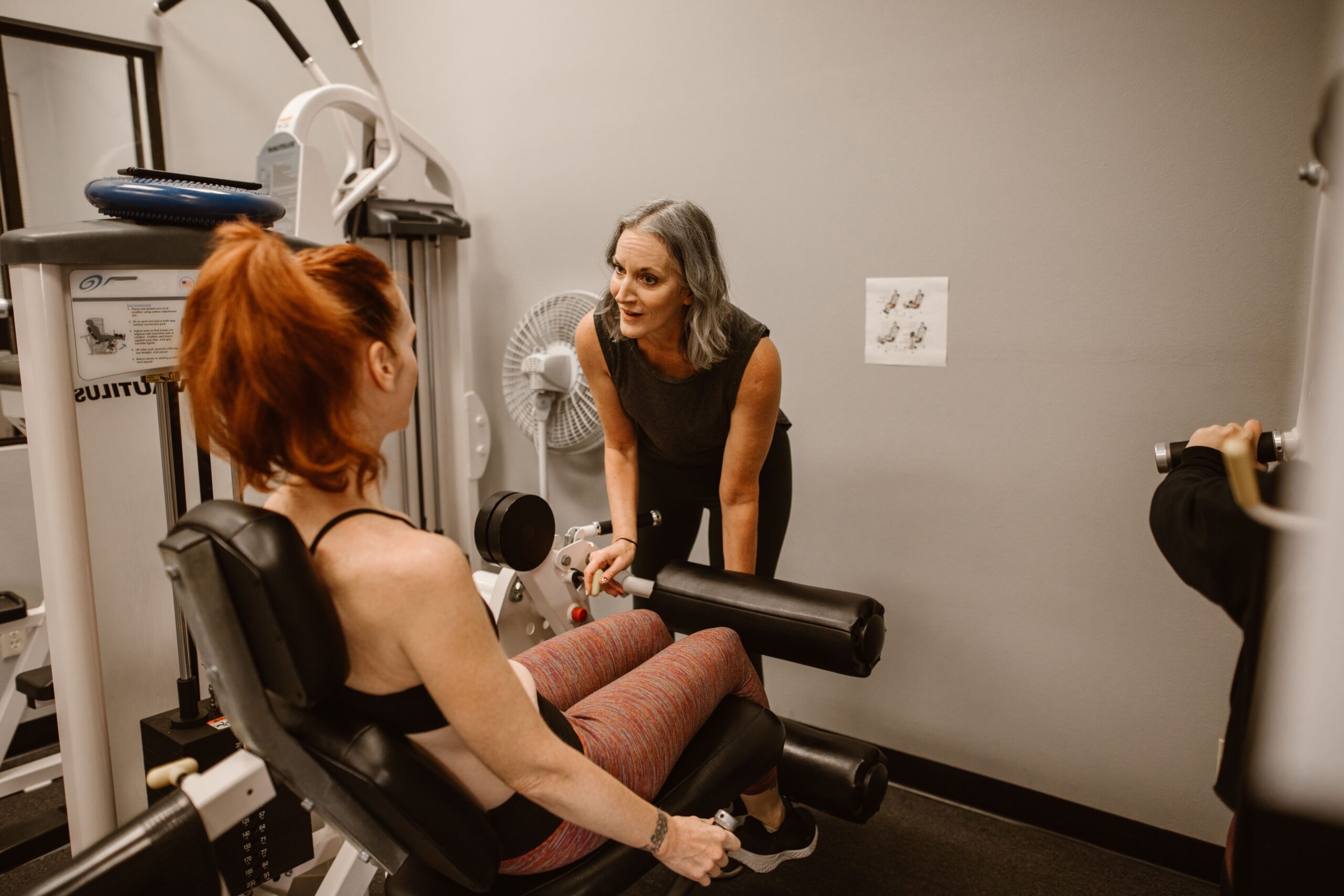
Most strength-training advice is written with 30-year-olds in mind, which leaves people over 60 guessing how much of it applies. Humanic Blue found that the research on building muscle after 60 includes people much older than that, some of them in their 90s.
Yes, adults over 60 can gain muscle and strength with progressive resistance training: exercise against a load that becomes more challenging as ability improves. The size of the response varies. A 2025 review found small increases in lean mass—tissue other than fat—and lower-body muscle size with smaller and larger amounts of training. The reviewers had low confidence in those estimates. Strength also improved compared with no exercise, although confidence in its estimated gains was very low.
In a landmark trial of frail nursing-home residents averaging 87, strength more than doubled in 10 weeks while thigh muscle area increased only 2.7%, a statistically inconclusive result. The Physical Activity Guidelines for Americans call for muscle-strengthening activity for all major muscle groups at least twice a week, plus balance work for older adults, adapted to abilities and conditions. The demonstrated payoffs are muscle, strength and function—not demonstrated lifespan extension.
That distinction matters when the goal is living longer and better: the trials support maintaining physical capacity, but they do not prove that resistance training itself extends human lifespan.
Key Takeaways
- Reviews of older-adult trials find strength gains with progressive resistance training, though confidence in the size of the gains varies.
- The Cochrane review found smaller improvements in everyday function, including walking speed and rising from a chair.
- A 2025 equipment review found strength gains with machines, free weights, bands, mixed programs and bodyweight exercise. It did not establish one best tool for muscle growth.
- Serious adverse events were uncommon in reviews, but incomplete reporting limits what that says about safety.
- Randomized trials have not established that strength training extends lifespan.
What do trials in older adults show?
The oldest participants. In a 1994 New England Journal of Medicine trial, researchers randomly assigned frail nursing-home residents, aged 72 to 98 with an average age of 87, to high-intensity resistance training, a multinutrient supplement, both or neither for 10 weeks.
Strength more than doubled with training, while it barely changed without training. Walking speed and stair-climbing power also improved. Thigh muscle area changed little, and that small change was not clearly distinguishable from chance. The tested supplement alone did not improve the main outcomes in this single trial. The exact results are below.
The trial supports strength and function gains in very old, frail residents. It does not show that thigh muscle size doubled; that measurement changed little and did not reach statistical significance. Its supervised high-intensity program also should not be copied without considering health status and support.
The pooled evidence. A 2009 Cochrane review found large average strength gains and smaller improvements in walking speed and rising from a chair. Most programs ran two or three times a week. Study quality varied, and adverse events were incompletely reported.
A newer 2025 review comparing trials covered adults aged 60 and older. Every training-volume category improved lean mass, lower-body muscle size and lower-limb strength versus no exercise. The reviewers had low confidence in the lean-mass and muscle-growth estimates and very low confidence in the strength estimates, and data for physically impaired adults were limited. The result supports the possibility of building muscle after 60, while leaving the expected amount for any individual uncertain.
Do machines, weights or bands work better?
A 2025 review in Gerontology compared training types across controlled trials in community-dwelling older adults, with an average age of 70. Machines, free weights, bands, mixed programs and bodyweight training all improved maximal strength compared with no training.
The review’s indirect comparisons ranked machines highest for strength, but the estimates compared bodies of trials rather than proving in direct head-to-head tests that machines are best for every person. It did not assess muscle growth as its outcome. The ranking does not decide which equipment fits an individual’s access, comfort, goals or ability. The detailed strength estimates are in the resources below.
Which outcome would make a comparison of machines, weights and bands meaningful?

How to progress
Progressive means that the training challenge increases as your capacity improves. That could involve load, repetitions, sets, range of motion or exercise difficulty—not automatically making every session maximal.
The 2026 American College of Sports Medicine (ACSM) position stand brought together reviews of resistance training in healthy adults. Resistance training improved muscle size, strength, power and multiple function measures. Higher loads favored maximal strength, more training each week favored muscle growth, and power—the ability to produce force quickly—improved with moderate loads moved quickly. This is broad healthy-adult evidence, not an older-adult clinical prescription; sets, repetitions and load are covered further in Build Muscle After 50.
- Federal activity guidance. The current Physical Activity Guidelines for Americans recommend muscle-strengthening work at least twice weekly; older adults should also include balance activity.
- Different outcomes. The trials described above measured strength, walking, chair rising and stair climbing separately. A larger strength gain does not imply an equally large improvement in every daily task.
- Power-training evidence. A 2023 review included only three randomized trials in older adults. Low-to-moderate-load and high-load power training produced similar power gains; high load improved the maximum force produced when straightening the knee more. The small evidence base limits confidence.
If health or mobility limits what you can do, the federal guideline advises matching activity to abilities and conditions rather than treating the standard target as an all-or-nothing threshold.
When does training call for a safety check?
Age alone is not an automatic requirement for medical clearance. The ACSM preparticipation model instead considers current activity, symptoms or known cardiovascular disease (heart or blood-vessel disease), metabolic disease (such as diabetes) or kidney disease, and planned intensity. The model says inactive people who are otherwise healthy and have no symptoms can begin light-to-moderate exercise without clearance and progress gradually.
The ACSM model says people with relevant symptoms should stop and seek medical evaluation. It calls for clearance before starting for inactive people with known cardiovascular, metabolic or kidney disease, with additional caution around vigorous training. These are screening rules, not a guarantee that a generic program is safe for every joint, medication or medical condition.
In the Cochrane trials, serious adverse events were rare, and none was reported as directly caused by the exercise programs. Joint pain and muscle soreness were common where researchers tracked them. The reviewers added a caution: adverse events weren’t adequately reported, so results may not transfer directly to people with serious illness.
How does the ACSM model distinguish age from the factors used in a safety assessment?
What’s Interesting
The Fiatarone trial is more than 30 years old, yet it illustrates a durable distinction: strength can change much faster than measured muscle size. Changes in how the nervous system controls muscle are one plausible contributor to early strength gains, but that trial did not measure how much of the change came from nerves, technique, motivation or muscle tissue. The meaningful observed outcomes were stronger lifts, faster gait and more stair-climbing power.
What This Means in Practice
For living longer and better after 60, these findings concern physical capacity, not proven extra years of life. The studies and guidelines answer different parts of a training discussion:
- Starting and screening: The ACSM model allows inactive, otherwise healthy adults without symptoms to begin light-to-moderate exercise and progress gradually. Symptoms, known cardiovascular, metabolic or kidney disease, current activity and planned intensity change its screening pathway.
- Frequency and balance: Federal guidance recommends muscle-strengthening activity for all major muscle groups at least twice weekly and balance activity for older adults. It allows adaptation to abilities and health conditions; this is population guidance, not an individual starting load.
- Equipment: The Gerontology review found strength gains with several equipment types, without establishing one best option for muscle growth or personal suitability.
- Progression and power: ACSM describes increasing challenge over time. The small power-training review does not establish when a particular person should begin fast lifting.
- Warning symptoms: Under the ACSM screening model, chest pain or pressure, unusual shortness of breath, dizziness or fainting call for stopping exercise and medical evaluation.
A physical therapist can design a program around arthritis, joint replacements or balance problems. A clinician can advise on heart or lung conditions. A qualified trainer with experience with older adults can teach technique.
Bottom Line
Adults over 60 can build muscle and strength with progressive resistance training. Older-adult trial syntheses show small average lean-mass and muscle-size gains and consistent strength benefits, although certainty and individual response vary. A trial in nursing-home residents averaging 87 showed that strength can improve dramatically even when measured muscle-size change is small. Machines, free weights, bands and bodyweight can all build strength; no equipment type has been established as best for muscle growth after 60. Federal guidance recommends muscle-strengthening activity at least twice weekly and balance work for older adults, adapted to abilities and conditions. The ACSM screening model considers symptoms, disease, current activity and planned intensity. Lifespan extension has not been shown in randomized trials.
A NOTE FROM LONGEVITY365
We read research, consult expert perspectives and work to make complicated health information easier to understand. What you’re reading here reflects how we’ve interpreted and organized that information. It is educational content—not personal medical advice, diagnosis or treatment guidance.
We’re not perfect, and neither is the available research. Evidence changes, new studies emerge and what’s appropriate for one person may not be appropriate for another.
Use this article as a starting point for your own research and conversations with qualified professionals. Always talk with your doctor or another trusted healthcare professional before making decisions that could affect your health, particularly if you take medications, are receiving treatment, have existing health conditions, are pregnant or have other circumstances that could affect what’s appropriate for you.
Reader Questions
A few questions to carry into the comments or your next conversation. Please leave out identifying or personal medical details.
- 01Which measurement or milestone would feel useful to track without letting it take over the whole point of moving?
- 02Which real-world barrier did the article address most usefully: time, confidence, access, recovery, or knowing where to start?
- 03What question would you bring to a clinician, physical therapist, trainer, or exercise professional after reading about Build Muscle After 60?
Extra Insights & Sources
The evidence summaries and linked sources behind this article.
What We Know
- Progressive resistance training increases strength in older adults, including people in their 80s and 90s. Supported across many trials.
- It improves chair rising and, modestly, walking speed. Supported.
- Multiple training types improve strength versus no training; equipment rankings do not establish the best tool for muscle growth. Supported for strength.
- One multinutrient supplement did not improve the main outcomes without training in a 10-week nursing-home trial. Limited to one product and population.
What We Don’t Know
- Whether strength training extends lifespan. Unknown. Cohort studies link it with lower mortality, but no randomized trial has tested lifespan.
- How much muscle size, as opposed to strength, older adults can add over years. Uncertain. Most trials last weeks to months.
- The best approach for people with serious heart, lung or kidney disease. Uncertain. These groups are underrepresented and adverse events are underreported.
Detailed trial results
Fiatarone trial: strength rose 113% with training versus 3% without it; walking speed rose 11.8% versus a 1.0% decline; stair-climbing power improved 28.4% versus 3.6%; thigh muscle area rose 2.7%, a statistically inconclusive change. The trial lasted 10 weeks. In the Cochrane review, walking speed improved by an average of 0.08 meters per second.
Strength comparisons from the 2025 network meta-analysis. SMD means standardized mean difference: a group difference expressed relative to variation in the measurements, so results from different strength tests can be combined. These are network estimates versus no training—not percentages gained, direct proof that one modality beats another or evidence about hypertrophy, meaning muscle growth.
| Training type | Effect size vs. no training (SMD) |
|---|---|
| Machines | 1.34 |
| Free weights | 1.15 |
| Elastic bands | 0.93 |
| Mixed | 0.88 |
| Bodyweight | 0.71 |
Sources
- Liu and Latham, Cochrane review (2009): 121 trials and approximately 6,700 older participants; progressive resistance training produced large average strength gains and smaller functional gains, but study quality varied and adverse events were incompletely reported. https://pubmed.ncbi.nlm.nih.gov/19588334/
- Fiatarone et al., New England Journal of Medicine (1994): 10-week randomized trial in 100 frail nursing-home residents aged 72–98, mean 87; training increased strength, gait speed and stair power, while the 2.7% thigh-muscle-area change was not statistically significant. https://pubmed.ncbi.nlm.nih.gov/8190152/
- Radaelli et al., Sports Medicine (2025): network meta-analysis of 151 randomized trials and 6,306 adults aged 60+; all volume categories improved lean mass, lower-body muscle size and lower-limb strength versus no exercise, with low-to-very-low certainty by outcome. https://pubmed.ncbi.nlm.nih.gov/39405023/
- Wiedenmann et al., Gerontology (2025): network meta-analysis of 102 controlled trials and 4,754 community-dwelling adults, mean age 70; all five equipment modalities improved maximal strength versus no training. It did not evaluate hypertrophy (muscle growth) as the outcome. https://pubmed.ncbi.nlm.nih.gov/40452461/
- ACSM position stand (2026): overview of 137 systematic reviews and more than 30,000 healthy adults; resistance training improved muscle size, strength, power and physical function, with prescription variables affecting different outcomes. The evidence is not specific to older adults with chronic illness. https://pubmed.ncbi.nlm.nih.gov/41843416/
- Physical Activity Guidelines for Americans, current federal guidance: recommends muscle-strengthening activity for all major muscle groups at least twice weekly; older adults should also include balance activity. https://odphp.health.gov/our-work/nutrition-physical-activity/physical-activity-guidelines/current-guidelines/top-10-things-know
- Bandeira-Guimarães et al., Sports Medicine – Open (2023): meta-analysis of three randomized trials and 179 older adults; power gains were similar across load ranges, but high load improved knee-extension maximal strength more and the small evidence base requires caution. https://pubmed.ncbi.nlm.nih.gov/37874417/
- Riebe et al., ACSM roundtable consensus (2015): preparticipation screening model based on current activity, symptoms or known cardiovascular, metabolic or kidney disease and planned intensity; it is not an age-only clearance rule. https://pubmed.ncbi.nlm.nih.gov/26473759/
Photo credits
Images from Pexels.
- featured: Photo by RDNE Stock project — original Pexels photo.
- inline-1: Photo by Mikhail Nilov — original Pexels photo.
- inline-2: Photo by Korhan Erdol — original Pexels photo.
Leave a Reply