
Biological Age Tests
Can Biological Age Tests Track an Intervention?
Some trials detect average changes in biological-age clocks. Two consumer results cannot yet reliably show that an intervention slowed one person's aging.
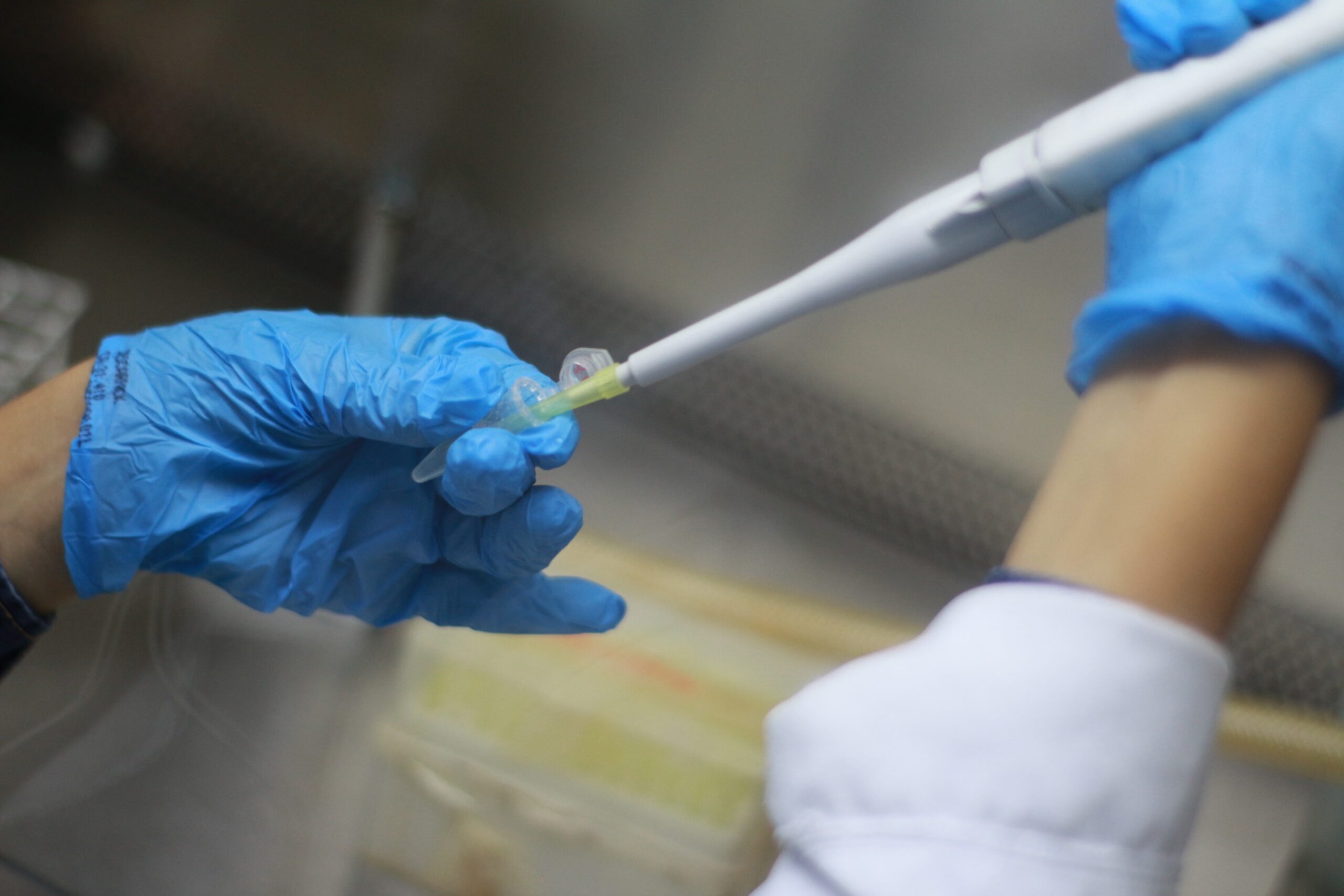
Biological age tests can detect average changes in some randomized trials, but two test results do not yet show reliably that an intervention worked for one person. The problem is not merely whether a clock can move. It is whether the change is larger than technical and short-term biological variation, appears on a reliable measure, is reproduced in an appropriate control group and predicts a health outcome that matters. Humanic Blue is separating those tests of evidence rather than calling every lower number a success.
In trials, calorie restriction and omega-3 supplementation have shifted some clocks that read chemical patterns on DNA, called methylation, by modest amounts while other clocks remained unchanged. No trial has established that changing a consumer biological-age result makes an individual live longer or prevents disease. If the goal is living longer and better, validated clinical outcomes still outrank a younger-looking dashboard.
Key Takeaways
- A clock can be useful for comparing groups even when it is too noisy to interpret a small change in one person.
- Technical repeatability and short-term biological stability are different: the same stored sample can reproduce well while fresh samples from the same person still vary.
- CALERIE detected a small calorie-restriction effect on DunedinPACE, but not DNAm PhenoAge or GrimAge.
- DO-HEALTH found small three-year effects of omega-3 on several clocks in older Swiss adults; the analysis was conducted after the main trial and did not establish that the clock changes caused better health.
- Researchers have not established a minimum clock change that counts as clinically meaningful.
- A consumer result should not be used to start, stop or judge a treatment without clinical evidence and professional guidance.
Why a group result is not an individual result
A randomized trial asks whether the average change in one group differs from the average change in another. Randomization and a control group help separate the intervention from background changes and ordinary variation. They also help account for regression to the mean: an unusually high or low first reading can move closer to the average when measured again, even without an intervention. Repeating a commercial test before and after a new diet, supplement or training plan has none of those protections.
This distinction is central to aging clocks. A small average signal can become detectable when researchers analyze many participants. For one person, the same signal may be smaller than the difference between repeat measurements. The test can therefore be responsive in research without becoming a personal verdict.
There is another layer: different clocks measure different targets. PhenoAge and GrimAge were trained around mortality-related patterns, while DunedinPACE was trained to estimate the rate of multisystem decline. A change on one clock and not another is not necessarily a contradiction; it may reflect different biology, different training targets or different measurement reliability. The CALERIE investigators explain these distinct clock designs in their trial analysis.
What does a control group reveal that a single before-and-after clock reading cannot?
How much can a clock vary without an intervention?
A 2022 study measured the same blood samples again to test whether six established clocks gave consistent answers. Some results differed by as much as nine years without any new sample or intervention. Redesigned versions used a statistical method called principal components to reduce noise, bringing most repeat readings within 1.5 years. The exact clock-by-clock differences are below. Higgins-Chen and colleagues report the sample, clock-specific error and reliability method.
DunedinPACE was designed using methylation sites selected partly for repeatability. In three datasets that measured the same samples again, its consistency scores ranged from 0.87 to 0.97 on a scale where 1.0 represents perfect agreement. Using a different laboratory testing chip reduced agreement. The DunedinPACE validation reports all three replicate datasets.
Good technical repeatability still does not guarantee that two new samples from the same person will match. A 2026 study compared technical replicates with blood collected again over short intervals under conditions that included meals, stress and environmental exposures. Across 18 clocks, most were technically reproducible, but short-term biological stability was generally lower, and technical performance did not predict biological performance. Sehgal and colleagues report that distinction in Aging Cell. The repeated-sample datasets were small and short-term, so they do not define one universal waiting period for retesting.
What have randomized trials detected?
Two trials show both the promise and the limit.
CALERIE assigned healthy adults without obesity, ages 21 to 50, at random to a calorie-restriction intervention or an unrestricted control group for two years. The analysis used methylation data available at follow-up. DunedinPACE moved by an amount the authors described as roughly 2% to 3% slower aging, while DNAm PhenoAge and GrimAge did not differ significantly between groups. Follow-up did not establish whether the clock change led to less disease or longer survival. The primary methylation analysis reports the design, participants, clock-specific findings and outcome limitation.
DO-HEALTH tested vitamin D, omega-3 and a home exercise program, alone and in combinations, in adults age 70 and older. A later analysis used baseline and three-year blood samples from about 780 Swiss participants. Omega-3 produced small average effects on PhenoAge, GrimAge2 and DunedinPACE; standardized effects across significant findings corresponded to approximately 2.9 to 3.8 months. Vitamin D and the exercise program did not independently change the clocks, although the three interventions showed an additive PhenoAge result. This biomarker question was analyzed after the main trial, and two time points increase sensitivity to measurement error. Bischoff-Ferrari and colleagues report the population, doses, duration, clock results and limitations.
These studies do not say that calorie restriction or omega-3 is appropriate for a particular person. They say that under randomized conditions, some clocks registered small average differences. The effect depended on the clock, population and intervention.
Which outcome would help establish whether a trial's clock change matters beyond the measurement?
What does the newest cross-study analysis add?
In 2026, the TranslAGE investigators analyzed 51 human intervention studies with repeated measurements, using the same processing method across about 3,100 blood samples. They calculated 16 prominent epigenetic clocks and additional DNA-methylation biomarkers. Mortality- and pace-trained measures tended to respond more consistently than first-generation chronological-age clocks, and reliable versions generally agreed better with other measures. Study duration and participant health also influenced whether a biomarker changed. The primary Nature Medicine paper reports the dataset, methods and cross-clock findings.
The analysis is a map of biomarker responsiveness, not proof that every intervention in the database improves aging. The studies differed in design, duration, sample size, population and intervention. The authors also emphasized that no empirically defined minimum clinically important difference exists for DNA-methylation clocks. In plain language: researchers still cannot say how much a clock must move before the change matters to a person’s health.
The paper reports commercial connections relevant to interpretation: some datasets came through TruDiagnostic, company employees were coauthors, and the conflict statement lists consulting and intellectual-property relationships. These disclosures do not invalidate the analysis, but they belong beside claims about clinical translation.
What else can explain a before-and-after difference?
A clock result can change because the intervention changed biology, because the sample composition changed, or because collection and laboratory conditions changed. Short-term immune-cell shifts, illness, meals, stress, extraction methods, array type, batch placement, tissue source and algorithm version can all matter, depending on the test. The 2022 technical study documents assay noise and batch-related mechanisms; the 2026 reliability study shows that fresh biological samples add a separate source of variation. The technical and biological reliability studies address these different sources.
This is why a blood test and a saliva test are not a matched pair, and why a vendor’s revised algorithm can break a personal trend line. A dramatic change is not automatically more credible: first confirm that the test, tissue, method and units are comparable.
What’s Interesting
The most responsive clock is not automatically the best personal referee. Sensitivity helps a trial detect a group effect, but it can also capture temporary physiological changes. Reliability helps distinguish signal from noise, but even a reliable biomarker still needs evidence that moving it predicts a meaningful outcome. A clock has to clear all three hurdles—response, reliability and clinical meaning—and no consumer aging score has cleared them for individual treatment decisions.
What This Means in Practice
What should you check before interpreting two results?
If you already have before-and-after results, ask five questions before interpreting the difference:
- Was it the same measure? Confirm the same tissue, laboratory, clock, algorithm version and reporting scale.
- Is the change larger than published variation? Look for replicate data for the exact clock and platform, not a general claim that “epigenetic testing is accurate.”
- Did more than one relevant measure agree? A lone favorable clock among many comparisons is easier to obtain by chance.
- Could collection conditions explain it? Compare illness, fasting, medications, recent stress and sample handling.
- Did an established health measure improve? Depending on the intervention, that may be blood pressure, blood sugar, cholesterol and other blood fats, fitness, symptoms, function or another clinically validated outcome.
Do not use a younger result to justify continuing an unsafe intervention, and do not use an older result to abandon prescribed care. The FDA notes that direct-to-consumer tests have varying levels of supporting evidence, that some are reviewed while others are not, and that health or dietary decisions should be discussed with a qualified professional. FDA’s current consumer guidance describes those limits. In the United States, the agency also records that its 2024 laboratory-developed-test rule was vacated in March 2025 and the prior regulatory text restored in September 2025. The FDA’s LDT page gives the current rule history.
For the retesting interval behind a before-and-after comparison, How Often Should You Test Biological Age? walks through signal, noise and timing.
The companion question—whether a movement in the number amounts to reversal—is examined in Can You Reverse Your Biological Age?.
Bottom Line
Biological age tests can track average intervention responses in research, provided investigators use appropriate clocks, controls, standardized collection and enough participants. They cannot yet tell one consumer, from two results, that an intervention slowed aging or will help them live longer.
Treat the clock as an exploratory measurement. Judge health decisions by safety, established clinical outcomes and evidence from well-designed human trials—not by whether one number happens to have a good afternoon.
A NOTE FROM LONGEVITY365
We read research, consult expert perspectives and work to make complicated health information easier to understand. What you’re reading here reflects how we’ve interpreted and organized that information. It is educational content—not personal medical advice, diagnosis or treatment guidance.
We’re not perfect, and neither is the available research. Evidence changes, new studies emerge and what’s appropriate for one person may not be appropriate for another.
Use this article as a starting point for your own research and conversations with qualified professionals. Always talk with your doctor or another trusted healthcare professional before making decisions that could affect your health, particularly if you take medications, are receiving treatment, have existing health conditions, are pregnant or have other circumstances that could affect what’s appropriate for you.
Reader Questions
A few questions to carry into the comments or your next conversation. Please leave out identifying or personal medical details.
- 01After reading this, what would you want a test result to actually help you decide?
- 02Which distinction changed how you read the evidence: "Why a group result is not an individual result" or "What should you check before interpreting two results"?
- 03What would you ask a clinician, lab, or qualified professional before letting a number change a health decision?
Extra Insights & Sources
What We Know
- Technical noise can create year-scale differences in several epigenetic age clocks even when the same blood sample is tested twice.
- Some redesigned or pace-based clocks have better technical repeatability.
- CALERIE and DO-HEALTH detected small, clock-specific average intervention effects in randomized human trials.
- Clock responses differ by training target, reliability, population, duration and intervention.
What We Don’t Know
- Whether a particular change in an epigenetic clock causes or reliably predicts a clinical benefit from an intervention.
- The minimum change that should count as meaningful for one person.
- Whether two consumer tests can distinguish an intervention effect from short-term biological and technical variation.
- Whether results remain comparable when a vendor changes the assay, tissue, processing method or algorithm.
Evidence Details
- Technical reliability: 36 paired blood-sample replicates in the core analysis; six clocks; original clocks differed by as much as 8.6 years, while principal-component versions brought most pairs within 1.5 years. For the original Horvath clock, the median difference between repeats was 1.8 years and the maximum was 4.8 years; across the clocks studied, median differences ranged from 0.9 to 2.4 years and maximum differences from 4.5 to 8.6 years. These figures concern repeat measurements of the same samples, not stability across fresh samples or usefulness for clinical decisions.
- Short-term biological reliability: 18 clocks evaluated across several small repeated-sample datasets; most clocks reproduced well technically but showed lower stability across fresh samples collected under changing short-term conditions. The small datasets and brief intervals limit generalization.
- CALERIE: 220 randomized healthy adults without obesity, ages 21–50; two years; 197 with follow-up methylation data. DunedinPACE changed modestly; DNAm PhenoAge and GrimAge did not. The analysis did not establish that a clock change predicts an intervention’s effect on later disease or mortality.
- DO-HEALTH: secondary analysis of 777 Swiss adults age 70 or older with baseline and three-year samples. Omega-3 effects were small and clock-specific; vitamin D and home exercise were null individually. Two-time-point measurement and analysis after the main trial limit individual interpretation.
- TranslAGE intervention analysis: 51 heterogeneous studies and 3,128 blood samples analyzed with 16 clocks. Useful for comparing responsiveness; pooled heterogeneity, mixed study quality, commercial data relationships and the absence of a clinically meaningful-change threshold limit causal and personal conclusions.
Sources
- Higgins-Chen AT, Thrush KL, Wang Y, et al. A computational solution for bolstering reliability of epigenetic clocks. Nature Aging. 2022. Primary technical-replicate study. Supports the 36 sample pairs, clock-specific deviations up to 8.6 years and improved principal-component-clock reliability. Several authors disclosed clock-related intellectual property or commercial affiliations; technical reliability does not establish clinical benefit.
- Belsky DW, Caspi A, Corcoran DL, et al. DunedinPACE, a DNA methylation biomarker of the pace of aging. eLife. 2022. Primary development and validation paper. Supports replicate agreement across three datasets and the measure’s training target. Authors disclosed that the measure was licensed to a commercial entity.
- Waziry R, Ryan CP, Corcoran DL, et al. Effect of long-term caloric restriction on DNA methylation measures of biological aging in healthy adults from the CALERIE trial. Nature Aging. 2023. Randomized-trial biomarker analysis; 220 enrolled, 197 with follow-up methylation data, two years. Supports the modest DunedinPACE effect and null DNAm PhenoAge/GrimAge results. No evidence yet that the clock change reduced disease or mortality; authors disclosed DunedinPACE licensing interests.
- Bischoff-Ferrari HA, Gängler S, Wieczorek M, et al. Individual and additive effects of vitamin D, omega-3 and exercise on DNA methylation clocks of biological aging in older adults from the DO-HEALTH trial. Nature Aging. 2025. Post hoc randomized-trial analysis of 777 Swiss older adults over three years. Supports the small omega-3 and combination findings and individual vitamin D/exercise null findings. Two samples per participant and secondary analysis limit certainty; the paper reports clock-related intellectual-property interests.
- Sehgal R, et al. Biological versus technical reliability of epigenetic clocks and implications for disease prognosis and intervention response. Aging Cell. 2026. Repeated-sample comparison across 18 clocks. Supports the distinction between assay repeatability and fresh-sample stability. Short intervals and small component datasets limit broad personal rules; author consulting and patent relationships are disclosed in the paper.
- Sehgal R, Borrus D, Armstrong JF, et al. Responsiveness of epigenetic aging biomarkers to longevity interventions in humans. Nature Medicine. 2026. Harmonized analysis of 51 longitudinal studies, 3,128 blood samples and 16 clocks. Supports cross-clock responsiveness patterns and the absence of a defined minimum clinically important change. Heterogeneous studies and reported TruDiagnostic data, employment, consulting and intellectual-property relationships require cautious interpretation.
- U.S. Food and Drug Administration. Direct-to-consumer tests. Current consumer and oversight guidance. Supports the statements that evidence and review vary and that results should not independently drive health decisions.
- U.S. Food and Drug Administration. Laboratory developed tests. Current regulatory history. Supports the March 2025 vacatur of the 2024 rule and September 2025 restoration of the prior regulatory text; it does not evaluate any particular biological-age product.
Leave a Reply