
Omega-3 & Fish Oil
Do Omega-3 Supplements Help You Live Longer?
Routine omega-3 supplements haven't been shown to help people live longer. A prescription EPA drug cut heart events in one high-risk group.
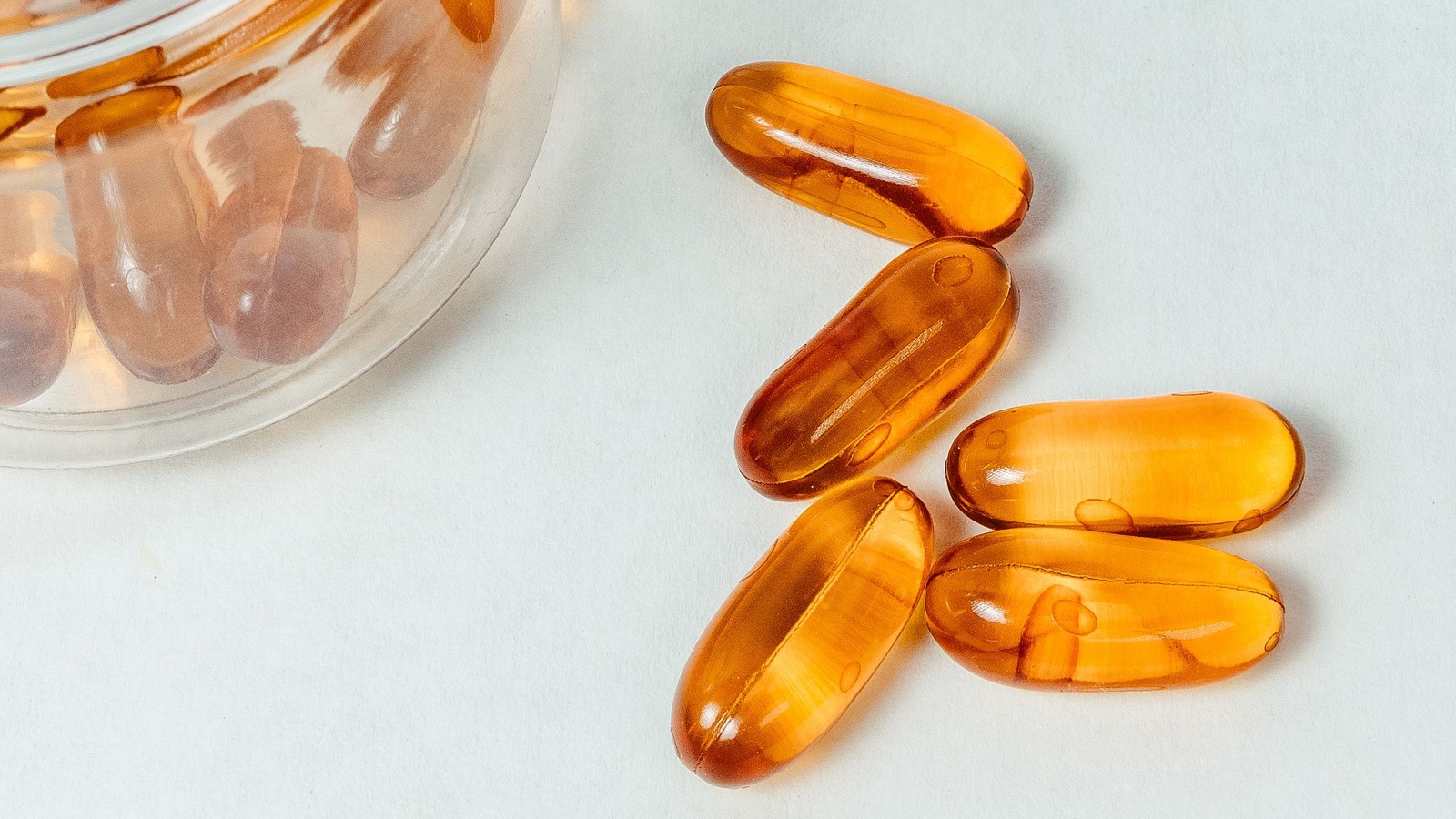
Fish oil has been sitting in kitchen cabinets for decades, quietly waiting for someone to ask what it’s actually for. Humanic Blue looked at the big trials behind the question of whether omega-3 supplements help you live longer. They offer a fairly clear answer, and a twist.
For most adults, they haven’t been shown to. In a US trial of nearly 26,000 people and a Cochrane review of 86 trials, routine fish-oil capsules made little or no difference to deaths from any cause. The twist is a prescription drug: a purified form of one omega-3, called icosapent ethyl, cut heart attacks and strokes in one trial of high-risk heart patients already taking statins. That drug isn’t the same thing as a fish-oil capsule, and another high-dose product failed in a second trial.
In This Article
- “Omega-3” can mean four different things
- A big prevention trial found no effect on deaths
- One prescription drug helped high-risk patients; a rival didn’t
- High doses bring an irregular-heartbeat tradeoff
- A biological-age result isn’t a longer life
- Eating fish is a different question
- The trials and numbers behind all of this
Key Takeaways
- Routine fish-oil (EPA plus DHA) supplements haven’t been shown to help people live longer; large trials found little or no effect on deaths. The Cochrane reviewers rated the evidence for little or no effect on deaths as high certainty.
- A prescription purified-EPA drug, icosapent ethyl, cut heart events in statin-treated patients with high triglycerides and heart disease or diabetes. That finding applies to the drug and patient group studied.
- High-dose omega-3 products slightly raise the risk of atrial fibrillation, an irregular heartbeat, in people with or at high risk of heart disease.
- Omega-3 capsules nudged some “biological age” clocks in older adults, but nobody has shown that means extra years. The lifespan meaning is untested.

Which omega-3 did a study actually test?
“Omega-3” can mean alpha-linolenic acid (ALA) from plant foods, eicosapentaenoic acid (EPA) and docosahexaenoic acid (DHA) from seafood, an everyday mixed EPA-and-DHA capsule, or a purified prescription drug. Treating those as one thing is how a tidy headline becomes a muddled decision.
The NIH Office of Dietary Supplements (ODS) calls ALA essential: the body can’t make it, so it has to come from food. The body turns only a small share of ALA into EPA and DHA. Fish and shellfish supply EPA and DHA directly, and supplement doses vary widely.
Being essential doesn’t make a pill a longevity treatment. ODS says classic essential-fatty-acid deficiency in healthy people in the United States is “virtually nonexistent.” Topping up an already adequate diet is a different question from fixing a shortage.
VITAL tested the everyday question
The VITAL trial, run by JoAnn Manson and colleagues at Brigham and Women’s Hospital and Harvard Medical School, gave nearly 26,000 US adults a daily 1-gram fish-oil capsule or a placebo. The men were 50 or older and the women 55 or older, and none had had a heart attack, stroke or cancer. Each capsule held 460 milligrams of EPA and 380 of DHA.
After about 5.3 years, the capsule didn’t reduce the main combined measure of heart attack, stroke and heart death, and it didn’t reduce cancer. Deaths from any cause were essentially the same in both groups. The capsules were donated by their manufacturers (Note 1). How VITAL worked
One secondary result stood out: about 28% fewer total heart attacks in the fish-oil group, according to ODS. The trial wasn’t built to settle secondary questions, so researchers treat that as a lead to follow, not an answer.
The Cochrane review points the same way
A 2020 Cochrane review from the University of East Anglia (first author Asmaa Abdelhamid, senior author Lee Hooper) pooled 86 randomized trials with more than 162,000 participants. The reviewers found that more EPA and DHA had little or no effect on deaths from any cause, rated as high-certainty evidence. Effects on heart deaths and heart events were also small or absent (Note 2).
The review did find slight drops in coronary heart disease deaths and events, but it rated that evidence low-certainty. The review estimated that about 334 people would need to take omega-3s for one coronary death to be prevented over the periods studied. The included trials lasted one to a little over seven years; this is not a benefit per year or a result for everyone. The review’s numbers
What did two high-dose trials find?
Here’s where fish oil gets a plot twist. Two trials tested 4 grams a day in high-risk patients already on statins, and they disagreed.
REDUCE-IT tested icosapent ethyl, a prescription drug made of purified EPA, in about 8,200 patients with high triglycerides (135 to 499 mg/dL) and either heart disease or diabetes plus other risk factors. It was led by cardiologist Deepak Bhatt, MD, MPH, then at Brigham and Women’s Hospital and now director of the Mount Sinai Fuster Heart Hospital. Over about 4.9 years, 17.2% of the drug group had a major heart event, against 22.0% on placebo: about 25% fewer, or 4.8 percentage points. Heart deaths were also lower (4.3% against 5.2%). The drug’s maker, Amarin, funded the trial, and five co-authors worked for the company (Note 3).
STRENGTH tested a different high-dose product, a mix of EPA and DHA, in about 13,000 high-risk patients. It was led by Stephen Nicholls of Monash University, with Cleveland Clinic cardiologist Steven Nissen, MD, as senior author. It was stopped early because benefit looked unlikely: 12.0% of the omega-3 group and 12.2% of the comparison group had a major heart event. Stomach and gut side effects were more common with omega-3. AstraZeneca, which made the product, funded it (Note 4).
Why the split? ODS says “the reasons for the different results are not clear.” It points to the different products and patients, and to the placebos: REDUCE-IT used mineral oil, which ODS says “is not a neutral placebo,” while STRENGTH used corn oil. The two trials side by side
The FDA has approved icosapent ethyl (brand name Vascepa) as an add-on to statins for adults with triglycerides of 150 mg/dL or higher and heart disease, or diabetes plus two or more other risk factors. By contrast, ODS says the 1-gram daily dose used in many supplement studies “has had no significant effect on the primary outcomes in several trials.”
Which differences between REDUCE-IT and STRENGTH matter when interpreting an omega-3 headline?
The atrial-fibrillation tradeoff
ODS reports that two large trials using 4 grams a day for several years slightly raised the risk of atrial fibrillation in people with, or at high risk of, heart disease. Atrial fibrillation is an irregular heart rhythm that can raise stroke risk. In REDUCE-IT, 3.1% of the drug group were hospitalized for it, against 2.1% on placebo. Serious bleeding was 2.7% against 2.1%, a difference that fell short of statistical significance.
That signal comes from high doses in high-risk people. It doesn’t mean a standard 1-gram capsule causes atrial fibrillation in everyone, but it does mean more isn’t automatically better. Anyone with atrial fibrillation, palpitations, a blood thinner or a plan to take high doses has a reason to talk it through with a clinician.
ODS lists the common side effects as usually mild: an unpleasant taste, bad breath, heartburn, nausea, stomach upset and diarrhea. It names warfarin and similar blood thinners as an interaction worth discussing. According to ODS, the FDA has concluded that supplements providing no more than 5 grams a day of EPA plus DHA are safe when used as recommended (Note 5). That’s a safety ceiling, not a target.
Does a biological-age signal mean a longer life?
In 2025, a University of Zurich team led by geriatrician Heike Bischoff-Ferrari, MD, DrPH, looked at about 780 Swiss adults aged 70 and older in the DO-HEALTH trial. They’d been assigned 1 gram a day of an algae-based omega-3 (not fish oil), vitamin D, a home exercise program or combinations for three years. Omega-3 slightly slowed three of four DNA-methylation “clocks,” tests that use chemical patterns on DNA to estimate biological age, by roughly three to four months over three years.
That is an early biological-age finding, not evidence of longer life. It was a look back at a subset of the trial, the clocks didn’t all agree, and nobody measured whether people lived longer. The authors themselves note that “there is no gold standard measure of biological aging.” Two co-authors helped create clocks used in the study: Steve Horvath (GrimAge), a former Altos Labs principal investigator and longtime UCLA professor, and Daniel Belsky (DunedinPACE) (Note 6).
The main DO-HEALTH trial, involving about 2,200 adults aged 70 or older, found no statistically significant benefit from omega-3, vitamin D or exercise on any of its six main health measures, including blood pressure, physical performance, thinking skills, fractures and infections, over three years. Deaths were similar in number across the groups (Note 7). The DO-HEALTH details
What remains unanswered when omega-3 changes an aging clock rather than a lifespan outcome?

Fish on a plate is a different question
The American Heart Association recommends two servings of fish a week, particularly fatty fish such as salmon, sardines and mackerel. That advice is about food and eating patterns. It isn’t evidence that a capsule does the same job.
Fish also brings protein, vitamin B12, vitamin D and selenium, according to the FDA, and it often replaces another main dish. Studies of fish eaters pick up those swaps and their other habits, so they can’t show that fish oil alone would deliver the same result.
Mercury advice changes by species and life stage. The FDA and Environmental Protection Agency fish-advice chart sorts fish by mercury level for people who are pregnant or breastfeeding and for children. Supplements sidestep some of those choices but raise others, such as freshness, label accuracy and independent quality testing.
What’s Interesting
Omega-3 research is a lesson in specificity. A nutrient can be essential, fish can fit a healthy diet, an everyday capsule can miss its main target and a purified prescription drug can still help one patient group. All of that is true at once. Ask a simple question, get four answers. That’s nutrition science for you.
It’s also a lesson in what gets measured. Triglycerides and epigenetic clocks move quickly and are easy to track. Living longer and better takes years to show up, and it’s the outcome people actually care about.
The trials also studied different people. VITAL enrolled older adults with no heart disease; REDUCE-IT enrolled statin-treated patients with high triglycerides and heart disease or diabetes; the clock study involved Swiss adults over 70. These are averages from large groups, and which group a person resembles, if any, changes which result applies.
What This Means in Practice
- For general prevention, VITAL and the Cochrane review don’t show a lifespan benefit from an everyday capsule. A food-first conversation can start with how much seafood you eat and the FDA/EPA species chart.
- With high triglycerides and high heart risk, the question is different: whether you match the approved prescription population, how your statin treatment looks, and how atrial-fibrillation and bleeding risks weigh in. A primary care clinician, cardiologist or lipid specialist can answer that; a supplement label can’t.
- Labels and quality checks answer separate questions: EPA and DHA amounts identify how much of the studied ingredients a capsule contains; the larger “fish oil” number does not. Independent testing concerns composition and quality. It cannot establish the benefits found for the prescription drug in REDUCE-IT. A bottle or label can help a clinician review the actual ingredients and dose alongside medications.
To compare omega-3s with the rest of the supplement shelf, Longevity Supplements: What Has Evidence in Humans? uses the same lifespan-versus-healthspan distinction.
Bottom Line
Omega-3 supplements haven’t been shown to help generally healthy adults live longer: large trials and a Cochrane review found little or no effect on deaths. A prescription purified-EPA drug cut heart events in one high-risk group, a similar high-dose product didn’t, and high doses carry an atrial-fibrillation tradeoff. Clock studies are early. Anyone taking omega-3s for a longer, better life can start by separating food from supplements and a prescription drug from a supplement, then take the question to a doctor who knows their heart history.
A NOTE FROM LONGEVITY365
We read research, consult expert perspectives and work to make complicated health information easier to understand. What you’re reading here reflects how we’ve interpreted and organized that information. It is educational content—not personal medical advice, diagnosis or treatment guidance.
We’re not perfect, and neither is the available research. Evidence changes, new studies emerge and what’s appropriate for one person may not be appropriate for another.
Use this article as a starting point for your own research and conversations with qualified professionals. Always talk with your doctor or another trusted healthcare professional before making decisions that could affect your health, particularly if you take medications, are receiving treatment, have existing health conditions, are pregnant or have other circumstances that could affect what’s appropriate for you.
Reader Questions
A few questions to carry into the comments or your next conversation. Please leave out identifying or personal medical details.
- 01What would you want to know before putting "Do Omega-3 Supplements Help You Live Longer" into the same conversation as sleep, food, movement, and medical care?
- 02Which evidence boundary stood out most: lifespan, function, symptoms, biomarkers, dose, safety, or who was actually studied?
- 03What question would help keep a supplement conversation grounded instead of turning it into a shopping list?
Extra Insights & Sources
For readers who want the details behind each claim above.
What We Know
- ALA is an essential nutrient, and seafood provides EPA and DHA directly. Established.
- Routine EPA-plus-DHA supplementation has little or no effect on all-cause mortality in randomized evidence. Supported (Cochrane: high-certainty evidence).
- Prescription icosapent ethyl reduced cardiovascular events in statin-treated patients matching the REDUCE-IT profile. Supported for that drug and population; not generalizable to over-the-counter fish oil.
- High-dose omega-3 can slightly increase atrial-fibrillation risk in people with or at high risk of cardiovascular disease. Supported.
What We Don’t Know
- Whether any over-the-counter omega-3 supplement extends life in generally healthy adults. Unsupported/Unknown. The mortality evidence doesn’t show that benefit.
- Why REDUCE-IT and STRENGTH diverged. Contested. EPA purity, DHA, formulation, study population and the different comparator oils have all been proposed; ODS says the reasons “are not clear.”
- Whether small DNA-methylation-clock changes predict added healthy years. Unknown.
VITAL in detail
HR (hazard ratio) and RR (risk ratio) compare outcomes between groups: 1 means no difference; values below 1 favor the intervention for harmful outcomes such as death. CI means confidence interval, which expresses statistical uncertainty. A composite outcome combines several kinds of events, so fewer composite events does not necessarily mean fewer deaths.
The VITAL trial (Manson JE and colleagues, VITAL Research Group; New England Journal of Medicine, published online November 2018, print January 2019) was a randomized, placebo-controlled, 2×2 factorial trial of vitamin D3 (2,000 IU a day) and marine omega-3 fatty acids (1 g a day) in 25,871 US men aged 50 or older and women aged 55 or older, including 5,106 Black participants. The fish-oil capsule (Omacor) contained 840 mg of omega-3 fatty acids, including 460 mg EPA and 380 mg DHA.
ODS describes the VITAL population as having “no previous heart attacks, strokes, or cancer.” Over a median 5.3 years, a major cardiovascular event occurred in 386 participants in the omega-3 group and 419 in the placebo group (HR 0.92; 95% CI 0.80–1.06; P=0.24). Invasive cancer: 820 vs 797 (HR 1.03; 95% CI 0.93–1.13). Key secondary end points: expanded cardiovascular composite HR 0.93 (0.82–1.04); total myocardial infarction HR 0.72 (0.59–0.90); total stroke HR 1.04 (0.83–1.31); cardiovascular death HR 0.96 (0.76–1.21); cancer death HR 0.97 (0.79–1.20). Death from any cause (978 deaths): HR 1.02 (0.90–1.15). No excess risk of bleeding or other serious adverse events was observed. The authors concluded that supplementation didn’t lower the incidence of major cardiovascular events or cancer compared with placebo. ODS adds that the heart-attack reduction included “a 77% reduction among African Americans and a 40% reduction among those who consumed less than 1.5 servings of fish per week”; these are secondary and subgroup findings. (Note 1)
The Cochrane review in detail
Abdelhamid AS, Brown TJ, Brainard JS and colleagues, with Lee Hooper as senior author (University of East Anglia; Cochrane Database of Systematic Reviews, 2020), included 86 randomized trials (162,796 participants) lasting 12 to 88 months; 28 were at low summary risk of bias. Long-chain omega-3 doses ranged from 0.5 g to more than 5 g a day. For increasing EPA and DHA, the review found little or no effect on:
- all-cause mortality: RR 0.97 (95% CI 0.93–1.01); 143,693 participants; 11,297 deaths in 45 trials; high-certainty evidence
- cardiovascular mortality: RR 0.92 (0.86–0.99); moderate certainty
- cardiovascular events: RR 0.96 (0.92–1.01); high certainty
- stroke: RR 1.02 (0.94–1.12); moderate certainty
- arrhythmia: RR 0.99 (0.92–1.06); low certainty
It may slightly lower coronary heart disease mortality (RR 0.90, 0.81–1.00; number needed to treat 334) and coronary heart disease events (RR 0.91, 0.85–0.97; number needed to treat 167), both low-certainty evidence. It lowered triglycerides by about 15%. Effects didn’t differ by trial length or dose. All authors reported no known conflicts of interest. (Note 2)
The high-dose trials side by side
| Trial | Who and what was tested | Main result | Main limitation for a general reader |
|---|---|---|---|
| VITAL | 25,871 generally healthy older US adults; 1 g/day marine oil with EPA+DHA | No significant reduction in the primary composite cardiovascular outcome | Tests ordinary primary prevention, not treatment of high triglycerides |
| REDUCE-IT | 8,179 statin-treated high-risk patients with triglycerides 135–499 mg/dL; 4 g/day prescription icosapent ethyl | Primary event: 17.2% with EPA drug vs 22.0% with placebo; HR 0.75 | Prescription purified EPA in a selected population; mineral-oil comparator remains debated |
| STRENGTH | 13,078 statin-treated high-risk patients; 4 g/day EPA+DHA carboxylic acids | Primary event: 12.0% vs 12.2%; HR 0.99 | Different EPA+DHA formulation and corn-oil comparator; trial stopped for futility |
REDUCE-IT (Bhatt DL and colleagues, New England Journal of Medicine, 2019) was a multicenter, double-blind trial in statin-treated patients with established cardiovascular disease, or diabetes and other risk factors, with fasting triglycerides of 135–499 mg/dL and LDL cholesterol of 41–100 mg/dL; 70.7% were enrolled for secondary prevention. Patients took 2 g of icosapent ethyl twice daily (4 g a day) or placebo, which ODS identifies as mineral oil. Over a median 4.9 years, the five-part primary end point (cardiovascular death, nonfatal heart attack, nonfatal stroke, coronary revascularization or unstable angina) occurred in 17.2% vs 22.0% (HR 0.75; 95% CI 0.68–0.83; P<0.001). Key secondary end point: 11.2% vs 14.8% (HR 0.74). Cardiovascular death: 4.3% vs 5.2% (HR 0.80; 95% CI 0.66–0.98). Hospitalization for atrial fibrillation or flutter: 3.1% vs 2.1% (P=0.004). Serious bleeding: 2.7% vs 2.1% (P=0.06). (Note 3)
STRENGTH (Nicholls SJ and colleagues, senior author Nissen SE, JAMA, 2020) randomized 13,078 statin-treated patients at high cardiovascular risk with high triglycerides and low HDL cholesterol, at 675 hospitals in 22 countries (mean age 62.5; 35% women; 70% with diabetes), to 4 g a day of an EPA-plus-DHA carboxylic acid formulation (Epanova) or corn oil, “intended to serve as an inert comparator.” The trial was halted after 1,384 primary events (of a planned 1,600) when an interim analysis showed a low probability of benefit. Primary end point: 785 patients (12.0%) vs 795 (12.2%) (HR 0.99; 95% CI 0.90–1.09; P=0.84). Gastrointestinal adverse events: 24.7% vs 14.7%. ODS reports that the omega-3 group also had a higher incidence of atrial fibrillation. The authors concluded: “These findings do not support use of this omega-3 fatty acid formulation to reduce major adverse cardiovascular events in high-risk patients.” (Note 4)
Why they diverged, in ODS’s words. “The reasons for the different results are not clear, but a partial explanation—beyond differences in the omega-3 formulation (ethyl ester EPA vs. carboxylic acid EPA and DHA) and the baseline health of the study population—may lie with the different placebo comparators used, mineral oil in REDUCE-IT and corn oil in STRENGTH.” ODS continues: “Mineral oil is not a neutral placebo; it affects lipid levels and inflammatory markers and may inhibit the absorption of statin drugs.”
The FDA label. The current Vascepa prescribing information (Amarin label on DailyMed, updated March 2026) says the drug is indicated “as an adjunct to maximally tolerated statin therapy to reduce the risk of myocardial infarction, stroke, coronary revascularization, and unstable angina requiring hospitalization in adult patients with elevated triglyceride (TG) levels (≥ 150 mg/dL) and established cardiovascular disease or diabetes mellitus and 2 or more additional risk factors for cardiovascular disease.” It carries warnings for atrial fibrillation or flutter and for bleeding, which was more common in patients also taking antithrombotic drugs such as aspirin, clopidogrel or warfarin.
Safety details
ODS: “Two large clinical trials completed after these assessments found that taking 4 g/day of omega-3 supplements for several years slightly increased the risk of atrial fibrillation in people with CVD or at high risk of CVD.” Commonly reported side effects “are usually mild” and include “unpleasant taste, bad breath, heartburn, nausea, gastrointestinal discomfort, diarrhea, headache, and odoriferous sweat.” On warfarin, ODS says fish oil “might prolong clotting times,” though “most research indicates that doses of 3–6 g/day fish oil do not significantly affect the anticoagulant status of patients taking warfarin.” ODS also reports that the FDA “has concluded that dietary supplements providing no more than 5 g/day EPA and DHA are safe when used as recommended.” (Note 5)
DO-HEALTH and the clock study
The clock analysis. Bischoff-Ferrari HA and colleagues (Nature Aging, 2025) reported “a post hoc analysis among 777 participants of the DO-HEALTH trial” (777 of the 1,006 Swiss participants) on vitamin D (2,000 IU a day), omega-3 (1 g a day: 330 mg EPA plus 660 mg DHA from marine algae) and a home strength-training program (30 minutes three times a week), measured with four DNA-methylation clocks over 3 years. “Omega-3 alone slowed the DNAm clocks PhenoAge, GrimAge2 and DunedinPACE,” but not GrimAge. Standardized effects ranged from 0.16 to 0.32 units (2.9–3.8 months) from baseline to year 3. The authors describe “a small protective effect of omega-3 treatment on slowing biological aging over 3 years across several clocks.” In their limitations they write: “There is no gold standard measure of biological aging.” The paper’s competing-interests statement discloses that Steve Horvath founded the nonprofit Epigenetic Clock Development Foundation, which has licensed several epigenetic-clock patents including GrimAge from his former employer, UC Regents, and lists him at Altos Labs; he left Altos Labs in February 2026. Co-author Daniel Belsky of Columbia University co-developed DunedinPACE and is an occasional adviser to TruDiagnostic, which exclusively licenses DunedinPACE; the paper states no competing interests for the other authors. (Note 6)
The main trial. Bischoff-Ferrari HA and colleagues (JAMA, 2020) randomized 2,157 adults aged 70 or older (mean age 74.9; 61.7% women) without major health events in the previous five years to a 2×2×2 factorial design of vitamin D3, omega-3s (1 g a day) and a strength-training exercise program. Median follow-up was 2.99 years. The six primary outcomes were changes in systolic and diastolic blood pressure, physical performance (SPPB), cognition (MoCA), and rates of nonvertebral fractures and infections. Because of multiple comparisons, the trial required P<.01. “Overall, there were no statistically significant benefits of any intervention individually or in combination for the 6 end points at 3 years.” The omega-3 infection-rate ratio was 0.89 (99% CI 0.78–1.01; P=.02), which didn’t meet that threshold. “A total of 25 deaths were reported, with similar numbers in all treatment groups.” (Note 7)
Sources
- NIH Office of Dietary Supplements: Omega-3 Fatty Acids, Fact Sheet for Health Professionals (updated August 22, 2025)
- Manson JE, et al. (VITAL Research Group). Marine n-3 fatty acids and prevention of cardiovascular disease and cancer, New England Journal of Medicine, 2019: PubMed 30415637
- Abdelhamid AS, et al. Omega-3 fatty acids for the primary and secondary prevention of cardiovascular disease, Cochrane Database of Systematic Reviews, 2020: PubMed 32114706
- Bhatt DL, et al. REDUCE-IT, New England Journal of Medicine, 2019: PubMed 30415628
- Nicholls SJ, et al. STRENGTH, JAMA, 2020: PubMed 33190147
- Bischoff-Ferrari HA, et al. DO-HEALTH, JAMA, 2020: PubMed 33170239
- Bischoff-Ferrari HA, et al. DNA methylation clocks in DO-HEALTH, Nature Aging, 2025: PubMed 39900648
- DailyMed, US National Library of Medicine: Vascepa (icosapent ethyl) prescribing information (Amarin, March 2026)
- American Heart Association: Fish and Omega-3 Fatty Acids (last reviewed August 23, 2024)
- US Food and Drug Administration and Environmental Protection Agency: Advice about Eating Fish (content current as of March 5, 2024)
- Mount Sinai: Deepak L. Bhatt, MD, MPH, MBA (profile)
Notes
Note 1: VITAL was funded by the National Institutes of Health and others. Pronova BioPharma and BASF donated the Omacor fish oil and matching placebos, and Pharmavite donated the vitamin D.
Note 2: The Cochrane review was funded by the UK Medical Research Council (grant MR/K02325X/1).
Note 3: REDUCE-IT was funded by Amarin Pharma, the maker of icosapent ethyl. Five co-authors listed Amarin Pharma as their affiliation.
Note 4: STRENGTH was funded by AstraZeneca, the maker of the tested formulation, which the paper says helped design the study. Several authors, including the lead and senior authors, reported grants from AstraZeneca; one co-author founded the company that developed the formulation before AstraZeneca acquired it.
Note 5: The FDA’s 5-gram safety conclusion, the atrial-fibrillation finding in STRENGTH, the VITAL heart-attack subgroup figures and the REDUCE-IT mineral-oil placebo come from a published summary, not the original documents: the NIH Office of Dietary Supplements fact sheet.
Note 6: The DNA-methylation measurements were funded by the Swiss National Science Foundation, with researcher salary support from the Stiftung für Naturwissenschaftliche und Technische Forschung.
Note 7: DO-HEALTH was funded by the European Commission’s Seventh Framework Program, the University of Zurich, DSM Nutritional Products, Roche, NESTEC, Pfizer and Streuli. The paper says the funders had no role in the study’s design, analysis or publication.
Related product and service comparisons
The companion comparison explains labeled fish-oil contents and distinguishes supplements from a blood test and a prescription medicine.
Photo credits
Images from Pexels.
- featured: Photo by Jonathan Borba — original Pexels photo.
- inline-1: Photo by RDNE Stock project — original Pexels photo.
- inline-2: Photo by Vie Studio — original Pexels photo.
Leave a Reply