
Blood Sugar & Insulin
Fasting Insulin vs. Fasting Glucose
Fasting glucose has diagnostic cutoffs. Fasting insulin has no universal cutoff for insulin resistance; the tests serve different roles in clinical care.
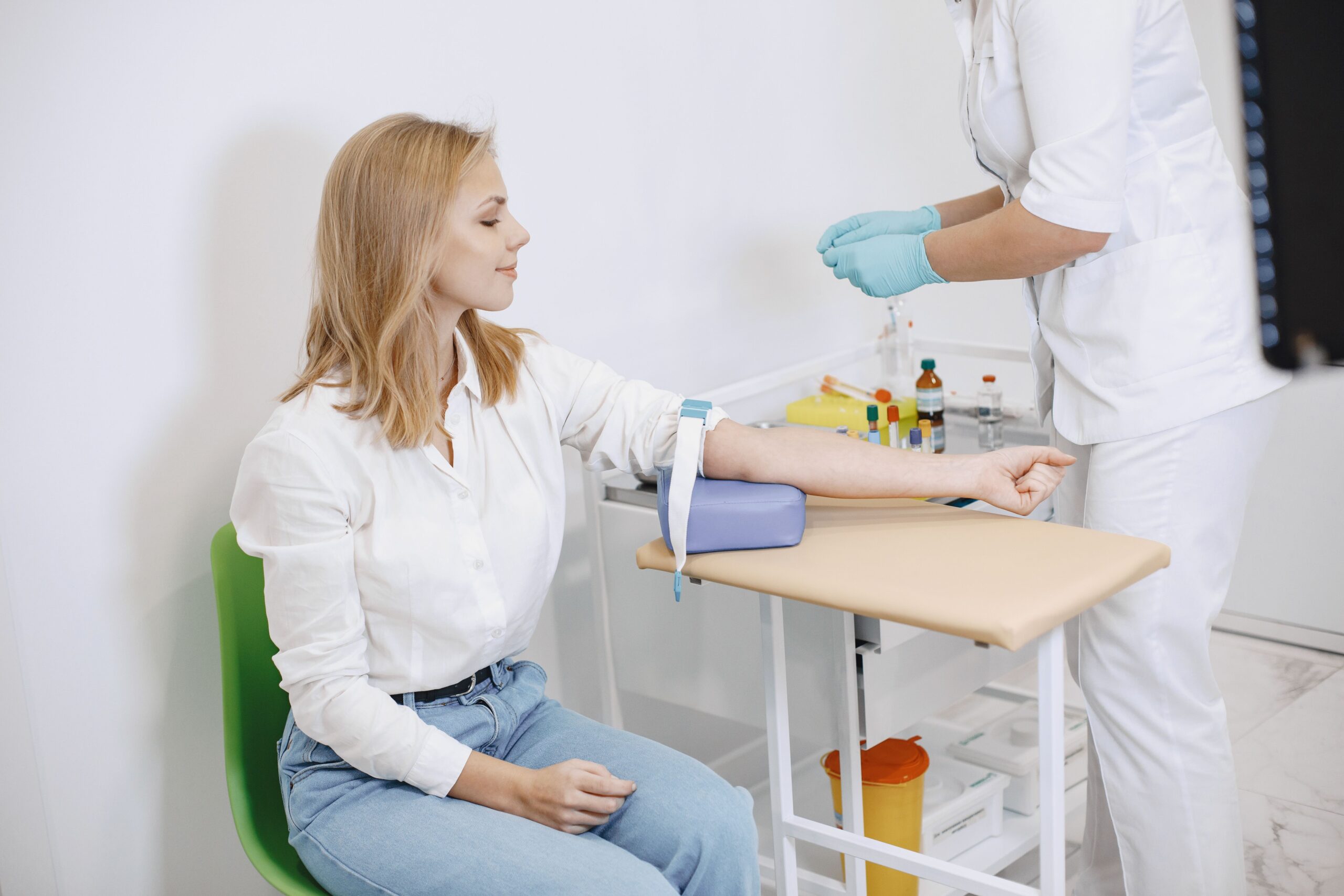
Fasting insulin has become a favorite test in longevity circles, often pitched as an early warning that standard glucose tests miss. Fasting glucose is the familiar number on routine blood work. One is the band your friend just discovered; the other has been on the radio for decades. If you’re weighing fasting insulin vs. fasting glucose, the real difference is less about which is “better” and more about what each one can and can’t tell you. Humanic Blue lines the two up to see what each one actually offers.
Side by side, it breaks down like this. Fasting glucose measures blood sugar after at least 8 hours without food, and the American Diabetes Association uses it to diagnose prediabetes (100 to 125 mg/dL) and diabetes (126 mg/dL or higher). Fasting insulin measures the insulin concentration present at the same moment, but it has no agreed diagnostic cutoff for insulin resistance. In Whitehall II, a research estimate derived from fasting insulin and glucose changed years before diabetes diagnosis; that does not validate one fasting-insulin result as an early-warning test. A 2023 laboratory guideline from the American Diabetes Association (ADA) and American Association for Clinical Chemistry (AACC) says routine insulin testing is not recommended for most people with or at risk for diabetes or cardiovascular disease. For living longer and better, glucose-based criteria remain the clinical starting point; fasting insulin is mainly a research measure or a context-dependent test.
Key Takeaways
- Fasting glucose has standardized diagnostic thresholds; fasting insulin doesn’t.
- A research model combining fasting insulin and glucose detected changes in insulin response several years before diabetes diagnosis in one group of workers. That does not show that a single insulin test predicts one person’s future.
- Current ADA/AACC laboratory guidance does not recommend routine insulin testing for most people with or at risk for diabetes or cardiovascular disease.
The two tests side by side
| Fasting glucose | Fasting insulin | |
|---|---|---|
| What it measures | Blood sugar after 8+ hours without food | The concentration of insulin, the hormone that helps control blood sugar |
| Guideline role | Screening and diagnosis | Mostly research; selected clinical uses exist |
| Thresholds | Normal <100; prediabetes 100–125; diabetes ≥126 mg/dL | No agreed cutoffs |
| Comparability | Established diagnostic criteria | Results still differ among laboratory testing methods |
| What it adds | A recognized clinical category | Information about insulin levels, without a universal cutoff for insulin resistance |
Why is fasting glucose the standard?
The ADA’s 2026 Standards of Care define fasting as no caloric intake for at least 8 hours. They list fasting plasma glucose below 100 mg/dL as below the prediabetes range, 100 to 125 mg/dL as prediabetes and 126 mg/dL or higher as diabetes. Without unequivocal hyperglycemia—unmistakably high blood sugar—an abnormal diagnostic result requires confirmation. HbA1c, a measure of average blood sugar over roughly three months, and the oral glucose tolerance test are also accepted screening and diagnostic options.
Fasting glucose has a weakness: in the ARIC study, it didn’t predict heart disease or death once HbA1c was taken into account, as covered in HbA1c and Healthy Aging.
Is fasting insulin an earlier signal?
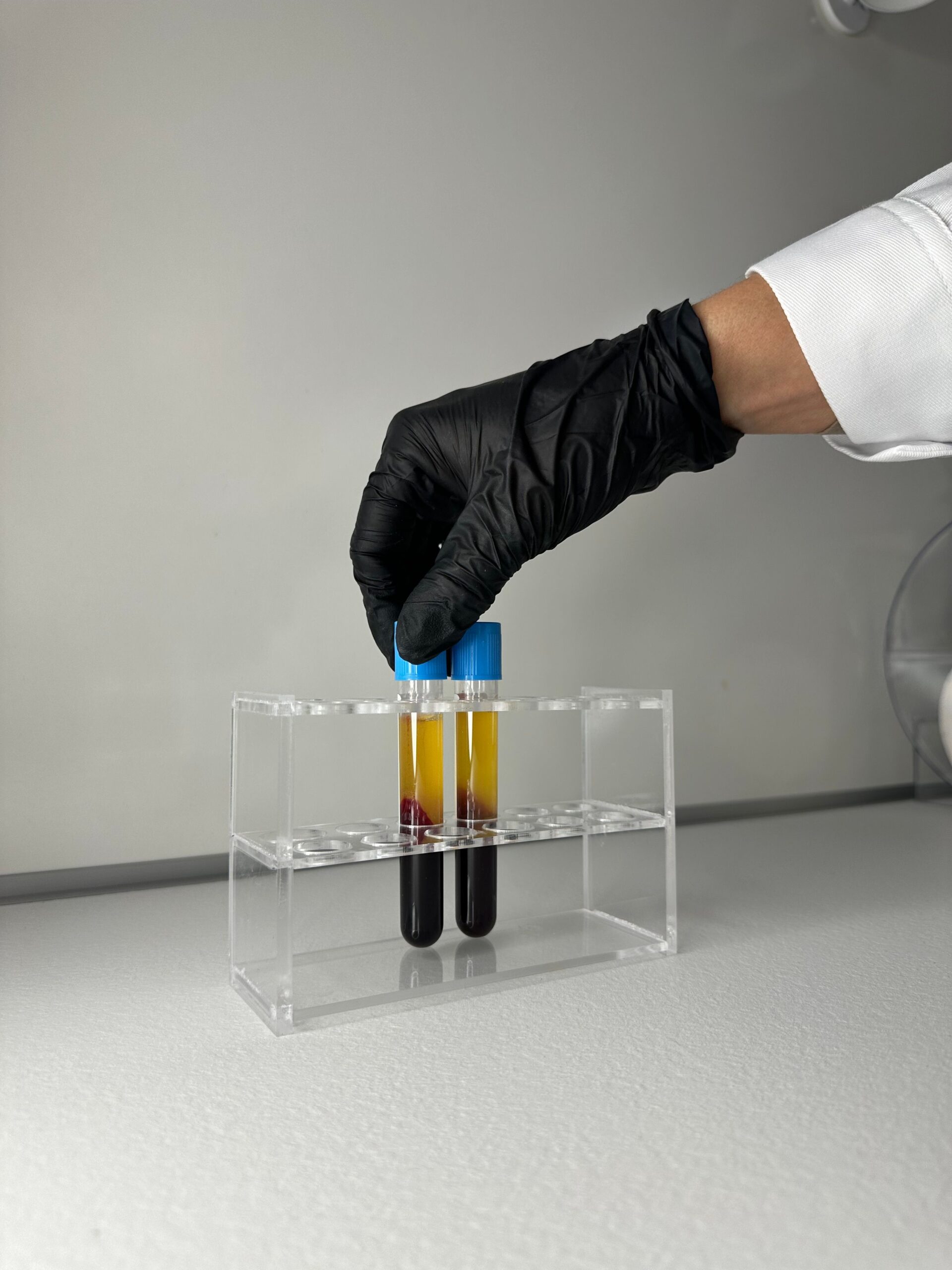
When tissues respond less well to insulin, the pancreas may initially release more to maintain glucose. That physiology helps explain why researchers study insulin alongside glucose. It does not mean every person with a particular fasting-insulin value has insulin resistance; how much insulin the pancreas releases, how quickly the body removes it, fasting conditions and the laboratory method all affect the result.
The Whitehall II study described a group-level timeline. In a 2009 analysis in The Lancet, researchers followed British civil servants for about a decade. Some developed diabetes during that time. Among those who developed it:
- Insulin sensitivity, how well tissues respond to insulin, fell steeply over the 5 years before diagnosis.
- Fasting glucose rose slowly, then climbed steeply from about 3 years before diagnosis.
- Beta-cell output, insulin release from the pancreas’s insulin-producing cells, rose briefly between 4 and 3 years before diagnosis, then fell.
The patterns in people who later developed diabetes began to differ from those in people who did not, three to six years before diagnosis. Insulin sensitivity was not measured by fasting insulin alone; it was estimated with HOMA, which combines fasting insulin and glucose. The study group was mostly men employed in the British civil service, which limits how well its findings apply to other people.
What would turn an early physiological signal into a validated screening tool?
HOMA-IR: combining the two
HOMA, short for homeostasis model assessment, combines fasting insulin and glucose to estimate how the body regulates blood sugar. HOMA-IR is its estimate of insulin resistance: how poorly tissues respond to insulin. The model was introduced in a 1985 methods paper in Diabetologia. In the small validation samples, its insulin-resistance estimate tracked a reference laboratory test called a glucose clamp, which measures the body’s response to insulin under controlled conditions. But repeat HOMA estimates varied substantially. Because HOMA depends on insulin measurement, it also inherits assay and fasting-condition differences. A research correlation does not create one universal clinical cutoff.
What’s the catch with fasting insulin tests?
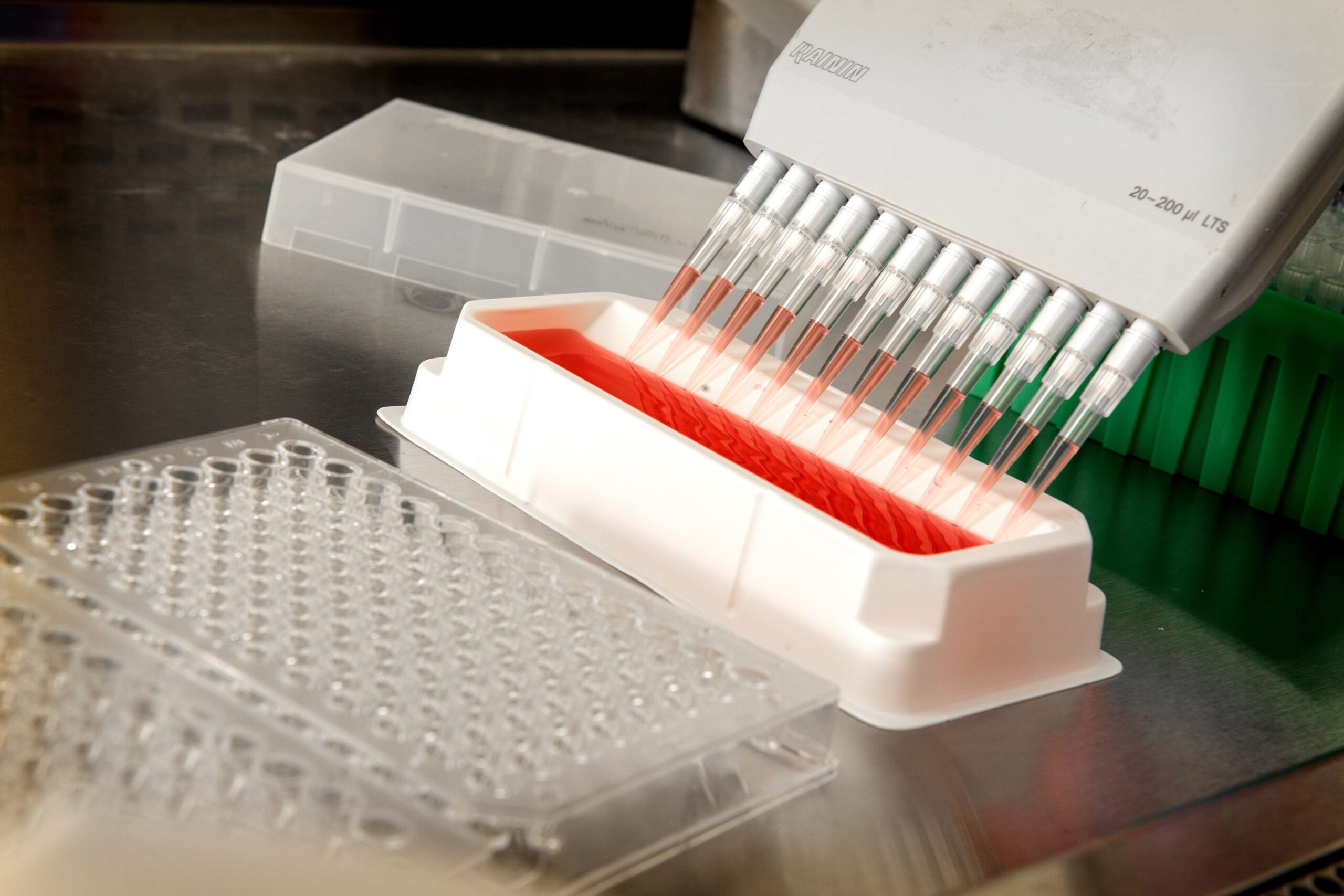
This is where the proposed early signal meets a very ordinary problem: the rulers do not fully match. An ADA workgroup reported in 2007 that commercial insulin-testing methods could give substantially different results. More recent evidence shows the issue has not disappeared: a 2022 comparison of seven insulin assay kits found substantial differences and problems matching results to shared reference standards and converting between units consistently.
The 2023 ADA/AACC laboratory guideline concludes that routine testing of insulin or its precursor, proinsulin, is not recommended for most people with diabetes or at risk for diabetes or cardiovascular disease; it describes these assays as primarily useful for research and calls for standardization. That is stronger guidance than simply saying the test needs a better reference range.
How would differences between insulin assays affect comparisons of HOMA-IR results?
What’s Interesting
The interesting part is the difference between a biological process and a screening test. Insulin resistance can develop before glucose crosses a diagnostic line. Yet an early biological change becomes a useful screening test only if measurement is comparable, thresholds are validated, interpretation improves decisions and those decisions improve outcomes. Fasting insulin has not cleared that full sequence for routine screening.
What This Means in Practice
For living longer and better, the ADA’s screening and diagnostic criteria offer an established way to identify diabetes risk or disease. Insulin testing may answer selected specialist or research questions, but the ADA/AACC guideline does not treat it as a universal screening score.
The Whitehall II timeline comes from British civil servants, and HOMA was checked against the clamp test in a research setting. Someone from a different population, or whose insulin is run on a different lab method, may not see the same pattern or the same numbers.
- Fasting glucose and HbA1c have ADA diagnostic categories. Insulin does not have an equivalent set of universal cutoffs.
- If a clinician orders fasting insulin, ask what clinical question it answers and how the laboratory’s method and reference interval will be interpreted.
- Ask where an “optimal” insulin target comes from when one is sold with a testing package; the ADA’s diagnostic criteria don’t include one.
- An “optimal insulin” target is not an established longevity target. The evidence here does not show that reaching one extends life.
- Fasting is part of a particular test’s preparation. The ADA defines it as at least 8 hours without caloric intake. That definition describes the test condition; the ordering clinician or laboratory supplies instructions for the test being ordered.
A primary care clinician can interpret glucose tests. An endocrinologist can help if results are borderline or confusing.
Bottom Line
Fasting glucose is an accepted screening and diagnostic test: under ADA criteria, 100 to 125 mg/dL is prediabetes and 126 mg/dL or higher is diabetes, with confirmation required when high blood sugar is not unequivocal. Fasting insulin has no universal diagnostic cutoff. Whitehall II found earlier change in a HOMA-derived group trajectory, not proof that one insulin measurement predicts one person’s future. Current ADA/AACC laboratory guidance does not recommend routine insulin testing for most people with or at risk for diabetes or cardiovascular disease.
A NOTE FROM LONGEVITY365
We read research, consult expert perspectives and work to make complicated health information easier to understand. What you’re reading here reflects how we’ve interpreted and organized that information. It is educational content—not personal medical advice, diagnosis or treatment guidance.
We’re not perfect, and neither is the available research. Evidence changes, new studies emerge and what’s appropriate for one person may not be appropriate for another.
Use this article as a starting point for your own research and conversations with qualified professionals. Always talk with your doctor or another trusted healthcare professional before making decisions that could affect your health, particularly if you take medications, are receiving treatment, have existing health conditions, are pregnant or have other circumstances that could affect what’s appropriate for you.
Reader Questions
A few questions to carry into the comments or your next conversation. Please leave out identifying or personal medical details.
- 01What would you want an insulin test to explain that a glucose result does not?
- 02How does variation between laboratory methods change what a result means to you?
- 03What evidence would distinguish an early research signal from a useful screening test?
Extra Insights & Sources
The evidence summaries and linked sources behind this article.
What We Know
- Fasting glucose has standardized thresholds for prediabetes and diabetes. Established.
- HOMA-estimated insulin sensitivity changed years before diagnosis among Whitehall II participants who developed diabetes. Supported observationally; not an individual screening threshold.
- Insulin assays still show material between-kit differences, and current laboratory guidance calls for standardization. Supported.
What We Don’t Know
- What fasting insulin level is “optimal” for health or longevity. Unknown. None has been established.
- Whether testing insulin in people with normal glucose improves outcomes. Unknown.
- Whether lowering fasting insulin itself extends lifespan. Unknown.
Evidence Details
- Whitehall II: occupational cohort of 6,538 British civil servants, 71% men; 505 diabetes cases over median 9.7-year follow-up. Repeated measurements described group trajectories before diagnosis. Insulin sensitivity was HOMA-derived rather than directly measured, and the study did not validate a consumer fasting-insulin cutoff.
- HOMA development: 1985 methods study comparing model estimates with clamp-based measurements in small samples. Reported repeat variation for the model’s insulin-resistance estimate was 31%. Useful for research estimation; repeat variation and dependence on insulin assays limit individual clinical precision.
- Assay comparability: the 2007 ADA workgroup found large disagreement across 12 methods, while a 2022 study of seven kits still found discrepancies and incomplete harmonization. Neither study establishes an “optimal” fasting-insulin range.
- Clinical guidance: the 2023 ADA/AACC laboratory guideline advises against routine insulin or proinsulin testing for most people with or at risk for diabetes or cardiovascular disease. The 2026 ADA diagnostic criteria rely on glucose, HbA1c and oral glucose-tolerance testing, not fasting insulin.
Sources
- American Diabetes Association Professional Practice Committee. Diagnosis and classification of diabetes: Standards of Care in Diabetes—2026. Current guideline. Supports fasting definition, fasting-glucose and HbA1c thresholds, accepted diagnostic tests and confirmation requirements. Fasting insulin is not included as a prediabetes or diabetes diagnostic test.
- Sacks DB, Arnold M, Bakris GL, et al. Executive summary: Guidelines and recommendations for laboratory analysis in the diagnosis and management of diabetes mellitus. Diabetes Care. 2023. ADA/AACC-approved laboratory guideline. Supports the recommendation against routine insulin/proinsulin testing for most at-risk people and the need for assay standardization; recognizes selected clinical and research uses.
- Tabák AG, Jokela M, Akbaraly TN, Brunner EJ, Kivimäki M, Witte DR. Whitehall II trajectories before diagnosis of type 2 diabetes. The Lancet. 2009. Cohort of 6,538 British civil servants with 505 incident diabetes cases over median 9.7 years. Supports group-level glucose, insulin-sensitivity and beta-cell trajectories; HOMA-derived estimates, occupational cohort and 71% male population limit individual generalization.
- Matthews DR, Hosker JP, Rudenski AS, Naylor BA, Treacher DF, Turner RC. Homeostasis model assessment: insulin resistance and beta-cell function from fasting plasma glucose and insulin concentrations in man. Diabetologia. 1985. Small methods study. Supports the origin and validation of HOMA and its reported repeat variation; it does not establish a universal clinical cutoff.
- Marcovina S, Bowsher RR, Miller WG, et al. Standardization of insulin immunoassays: report of the American Diabetes Association Workgroup. Clinical Chemistry. 2007. Comparison of 12 methods from nine manufacturers. Supports the historical 12%–66% disagreement and 24% median; older assay data require current corroboration.
- Rosli N, Kwon H-J, Lim J, Yoon YA, Jeong J-S. Measurement comparability of insulin assays using conventional immunoassay kits. Journal of Clinical Laboratory Analysis. 2022. Comparison of four manual and three automated kits using human serum and reference materials. Supports continuing discrepancies and incomplete harmonization; seven kits do not represent every current laboratory method.
Related product and service comparisons
For the distinction between a fasting laboratory measurement and sensor trends across the day, the companion explainer describes Stelo and Lingo readings, feedback and eligibility.
Photo credits
Images from Pexels.
- featured: Photo by Gustavo Fring — original Pexels photo.
- inline-1: Photo by EL Aesthetics | Ola El-Armouche — original Pexels photo.
- inline-2: Photo by CDC — original Pexels photo.
Leave a Reply