
Health
Longevity Blood Test Checklist
A practical checklist for longevity bloodwork: how to prepare, what can skew results, and how to read and track your numbers over time.
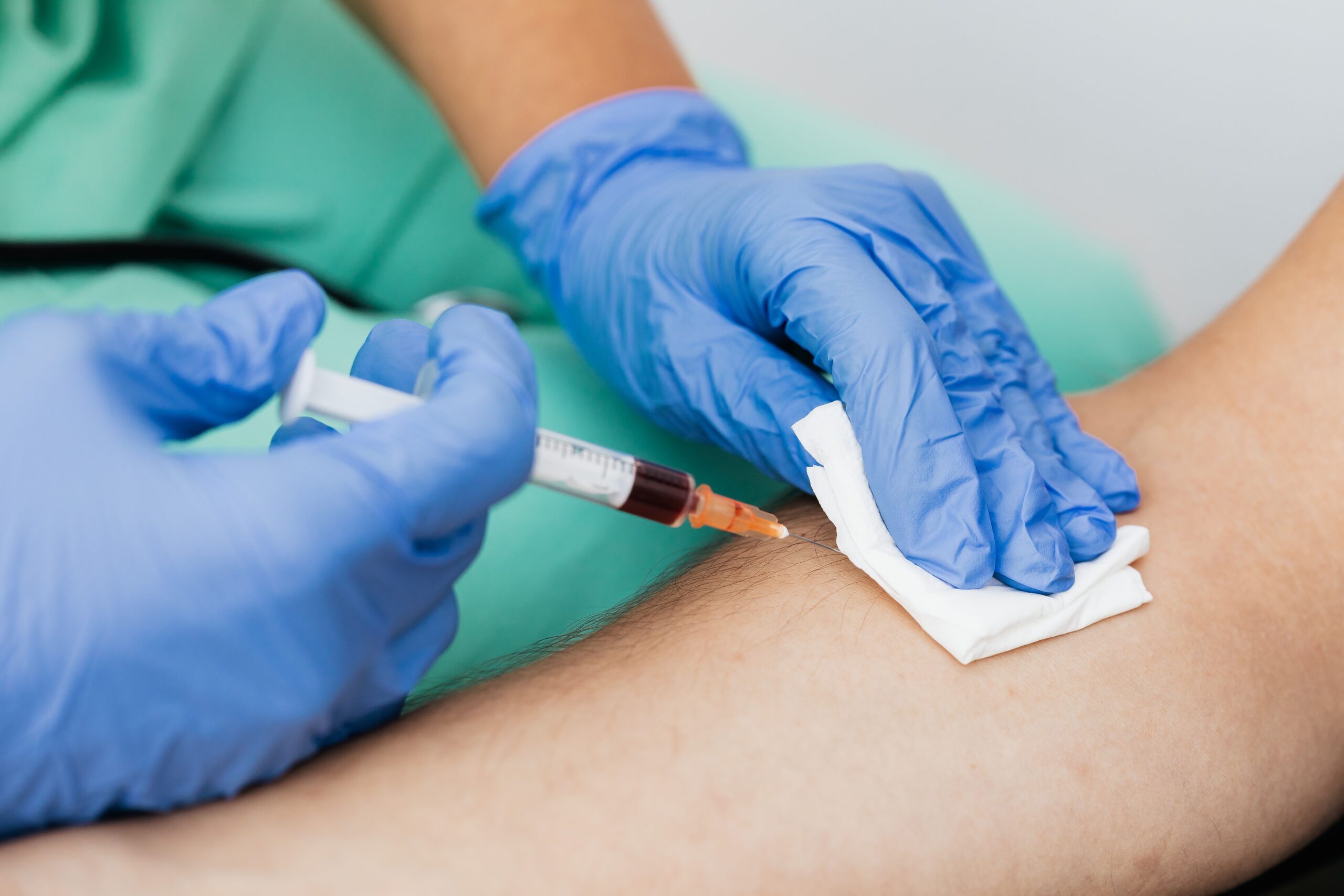
You’ve decided to get bloodwork with longevity in mind. Maybe your clinician ordered a panel, or you’ve booked one yourself. The needle part is quick. The part that decides whether the numbers are useful or just confusing happens before and after it, and it’s surprisingly easy to get wrong in small, fixable ways. For Humanic Blue, the useful starting point is what the labs and guidelines actually ask for.
The short version of the longevity blood test checklist: The ordering clinician or lab can explain why each test is being done and what preparation applies. Fasting glucose uses at least an 8-hour fast under American Diabetes Association criteria; HbA1c, which estimates average blood sugar over roughly three months, doesn’t require fasting. ApoB, a marker of cholesterol-carrying particle numbers, isn’t meaningfully affected by it. Biotin can distort some laboratory test methods, known as assays, while recent intense exercise, alcohol or acute illness may matter for particular tests. The ordering team can say whether any preparation or timing change is needed. Afterward, the reporting lab’s reference range, prior results and clinical context help a clinician interpret an unexpected number. Which tests to consider in the first place is covered in What Blood Tests Should I Get for Longevity?
Below is the checklist, step by step, with the reason behind each step. Think of it as reading the instructions before assembling the furniture. Nobody wants to, and it helps.
Key Takeaways
- Common, fixable things can shift specific results: fasting status for glucose, biotin supplements, recent hard exercise, acute illness and creatine supplements. These effects apply to particular tests, not every panel.
- Most lab reference ranges are built from the middle 95% of healthy people, so an occasional flag in a healthy person is expected.
- Repeated complete blood count (CBC) values can reveal stable personal patterns that a population reference range does not show. Whether trend tracking improves outcomes is still uncertain.
What can affect a blood draw or its interpretation?
1. Why was each test ordered? A useful test answers a question. Screening depends on age, medical history, medications, pregnancy status, symptoms and prior results; a large “longevity panel” is not automatically more useful. The ordering clinician can explain the reason for each test. The companion guide, What Blood Tests Should I Get for Longevity?, covers which tests current guidance supports.
2. Does this test require fasting? The American Diabetes Association defines fasting for a fasting plasma glucose test as “not having anything to eat or drink (except water) for at least 8 hours before the test.” The same page notes that with an HbA1c test “you don’t have to fast or drink anything.” For cholesterol, the lipid consensus summarized in What Is ApoB and Why Does It Matter? finds that ApoB isn’t meaningfully affected by fasting. Triglycerides can rise after a meal, so a clinician may ask for a fasting repeat if they’re high. The ordering team determines the instructions for the tests actually ordered.
3. Could biotin affect this assay? The US Food and Drug Administration (FDA) warns that “biotin, often found in dietary supplements, can significantly interfere with certain lab tests and cause incorrect test results which may go undetected.” The ordering clinician or lab can say whether a particular assay is affected and whether any change to a supplement schedule is appropriate; the warning is not a reason to stop a supplement on your own.
4. What preparation applies to this test? MedlinePlus explains that the ordering provider gives test-specific preparation instructions. For a creatine kinase (CK) test, a marker used when evaluating muscle damage, MedlinePlus notes that a clinician may ask someone to avoid intense exercise and alcohol for a few days. That example should not be generalized to every blood test.
5. Could creatine affect interpretation? Creatine, a supplement, can raise creatinine, a blood marker used to estimate kidney filtration, without changing measured filtration. That can make the estimated glomerular filtration rate (eGFR), a calculation of how well the kidneys filter blood, look lower than it is, as covered in Does Creatine Help You Live Longer? The ordering clinician can account for supplements when interpreting a result.
6. Could acute illness affect timing? C-reactive protein (CRP) is produced in response to inflammation, and MedlinePlus lists bacterial and viral infections among the causes of high levels. If the high-sensitivity version of the test (hs-CRP) is being used for cardiovascular risk rather than to investigate the illness, the ordering clinician can decide whether timing matters.
7. Does a testosterone test need morning timing? The Endocrine Society’s guidance calls for confirming a diagnosis with repeat morning fasting total testosterone measurements. That guidance applies to a specific clinical evaluation, not every blood draw. The ordering clinician can specify timing if this test is indicated; What Are the Symptoms of Low Testosterone? covers the diagnostic context.
8. Which medicines and supplements are relevant? Some drugs and supplements change lab values, as biotin and creatine show. MedlinePlus says the ordering provider should know about prescription and over-the-counter medicines, vitamins and other supplements to interpret results in context.
What matters at the draw?
The same lab can make trends easier to compare. Reference ranges and methods differ between labs. MedlinePlus recommends using the same laboratory when tracking trends and cautions against directly comparing results from different laboratories.
Collection conditions can matter. The date, time of day, fasting status and unusual circumstances such as recent illness, travel or a hard workout can help the ordering clinician compare results later.
Which collection or laboratory differences could make two blood draws difficult to compare?
How do you read the results?
Reference ranges need context. Most reference ranges cover the middle 95% of results from a healthy reference group, according to the patient-education site Testing.com. By design, then, about one healthy result in 20 lands outside the range on any single test. MedlinePlus makes the same point more simply: “the term ‘normal’ can be misleading.”
Some tests have clinical decision points. They are not always read against the lab’s reference range alone:
HbA1c and lipoprotein(a), or Lp(a), an inherited heart-risk marker, have thresholds used in clinical decisions. LDL cholesterol (LDL-C) and ApoB goals depend on a person’s overall cardiovascular risk rather than one universal “longevity” number. Fasting glucose also has a preparation rule: at least eight hours without food. The threshold table and sources
Lp(a) thresholds are in What Is Lipoprotein(a)? and ApoB goals by risk group are in What Is ApoB?
Some conditions can affect a result. MedlinePlus notes that “if you have a condition that affects your red blood cells, such as anemia or another type of blood disorder, an A1C test may not be accurate for diagnosing diabetes,” and that “Kidney failure and liver disease can also affect A1C results.”
An unexpected result may need confirmation. A single unexpected value, especially one just outside the range, may need confirmation or a different test before it drives a major decision. MedlinePlus notes that an uncertain or potentially inaccurate result may require another test. The ordering clinician determines follow-up from the marker and clinical context.
A personal trend can add context. A 2025 study in Nature found that each healthy adult’s complete blood count values settle around personal “setpoints” that stay stable for years. Senior author John Higgins, a pathologist at Massachusetts General Hospital, told Harvard Health Publishing: “Set points give you a personalized benchmark to detect slight deviations from your steady state and help us interpret other diagnostic test results for a more accurate picture of health.” Mass General Brigham has filed a provisional patent on setpoint applications naming Higgins as an inventor.
The study was retrospective and did not test whether setpoint-based interpretation improves patient outcomes. Records from one lab can make direction easier for a clinician to see, but they do not establish a diagnosis on their own.
What context would distinguish an out-of-range value from a finding with clinical significance?
The one-page checklist
These are questions for the ordering clinician or laboratory, not a preparation schedule to set independently.
Before: questions about the tests ordered – Which tests are relevant to my age, history, symptoms or prior results, and what question would each answer? – Which tests, if any, require fasting, and what instructions apply? The ADA defines a fasting glucose test using at least 8 hours without food. – Could biotin, creatine, other supplements or medicines affect any assay or its interpretation? Does the ordering team want any change to my usual schedule? – Does a test such as CK have specific exercise or alcohol instructions? – Would an acute illness affect the timing of an elective hs-CRP test? – If testosterone testing is indicated, what sampling time does the ordering clinician specify?
At the draw: questions about the sample – Would using the same lab as before make the results easier to compare? – Should the collection record include the date, time, fasting status or recent illness?
After: questions about interpretation – What does this lab’s reference range mean for each result, and are there separate clinical decision points? – How do these results compare with my earlier ones? – Does any unexpected result need confirmation or another test before a decision is made? – Who will review the results and arrange any follow-up?
What’s Interesting
The same number can mean different things depending on which question it answers. Testing.com’s example contrasts an HbA1c of 6.6% during diabetes screening with the same result during diabetes treatment. During screening it crosses the diagnostic threshold, usually requiring confirmation; during treatment it is compared with the person’s agreed treatment goal. A slightly high hsCRP can reflect heart risk or last week’s cold. A lab result, in other words, is a bit like a text message with no context: accurate, and still easy to misread. A checklist mostly exists to make sure the number you get answers the question you asked.
There’s a quieter point here too. Reference ranges are built from large groups of people. Your own body, history and medications are yours alone, which is why past results can add context that the population range cannot provide.
What This Means in Practice
Blood tests can inform some risks relevant to living longer and better. They’re also easy to misread. MedlinePlus says the ordering provider gives the preparation instructions and interprets results alongside medical history and other findings. The FDA’s biotin warning and the examples above show why those instructions depend on the actual test.
A primary care clinician can determine whether a test is indicated and interpret its result; there is no single core longevity panel for everyone. Depending on the finding and clinical context, that clinician may involve a lipid specialist, nephrologist or hematologist.
Bottom Line
A longevity blood test checklist is mostly about preparation and interpretation. The ordering clinician or lab can explain why a test is being done, whether fasting or another preparation applies, and whether supplements or acute illness affect that particular test. Afterward, the reporting lab’s range and a person’s history help the clinician decide whether an unexpected result needs confirmation. How much personal trend tracking improves outcomes is still being studied.
A NOTE FROM LONGEVITY365
We read research, consult expert perspectives and work to make complicated health information easier to understand. What you’re reading here reflects how we’ve interpreted and organized that information. It is educational content—not personal medical advice, diagnosis or treatment guidance.
We’re not perfect, and neither is the available research. Evidence changes, new studies emerge and what’s appropriate for one person may not be appropriate for another.
Use this article as a starting point for your own research and conversations with qualified professionals. Always talk with your doctor or another trusted healthcare professional before making decisions that could affect your health, particularly if you take medications, are receiving treatment, have existing health conditions, are pregnant or have other circumstances that could affect what’s appropriate for you.
Reader Questions
A few questions to carry into the comments or your next conversation. Please leave out identifying or personal medical details.
- 01Which part of this guide feels easiest to turn into a better question for a routine visit?
- 02Where do you still feel the line is blurry between a useful check and more testing than you need?
- 03What would make the next conversation clearer: timing, eligibility, possible harms, or what happens after an abnormal result?
Extra Insights & Sources
The evidence summaries and linked sources behind this article.
What We Know
- Fasting status, biotin, recent intense exercise, acute illness and creatine can each change specific results. Established.
- Most reference ranges cover the middle 95% of healthy people, so occasional flags in healthy people are expected. Established.
- HbA1c can be inaccurate in anemia and other blood disorders, and kidney and liver disease can affect it. Established.
What We Don’t Know
- How much tracking personal trends improves health outcomes. Setpoint research is new and mostly retrospective. Promising.
- The ideal testing frequency for most markers in healthy adults. Guidelines give intervals for some tests, such as diabetes screening, but not for many panel extras. Unknown.
Evidence Details
| Test | Decision point | Source |
|---|---|---|
| HbA1c | Below 5.7% normal range; 5.7–6.4% prediabetes range; 6.5% or higher diagnostic threshold for diabetes, usually requiring confirmation | ADA |
| Fasting glucose | Fasting at least 8 hours required | ADA |
| Lp(a) | 125 nmol/L or higher, or 50 mg/dL or higher, is risk-enhancing; these are alternative unit-specific thresholds | 2026 ACC/AHA guideline |
| LDL-C and ApoB | Goals depend on estimated risk, not one universal number | 2026 ACC/AHA guideline |
- CBC setpoints: retrospective electronic-health-record analysis of thousands of patients at one academic health system, with some external validation. Personal CBC patterns remained stable for years and sometimes improved diagnostic classification. This did not test a screening program or show that trend tracking improves health outcomes.
- Pre-test influences: FDA, ADA and MedlinePlus guidance supports specific effects—biotin on susceptible assays, fasting for fasting glucose, exercise and alcohol for CK, and infection/inflammation for CRP. These instructions are test-specific and should not be generalized to every panel.
- Reference ranges: population ranges help flag unusual values but differ by laboratory and do not determine health on their own. Symptoms, history, units, methods and the purpose of the test remain part of interpretation.
Sources
- American Diabetes Association. Diabetes diagnosis and tests. Current patient guidance. Supports the eight-hour definition for fasting plasma glucose, the fact that HbA1c does not require fasting and the diagnostic thresholds shown in the checklist. Diagnostic confirmation and exceptions depend on symptoms and clinical context.
- U.S. Food and Drug Administration. Biotin interference with troponin lab tests. Current safety page. Supports the warning that supplemental biotin can cause incorrect results in susceptible assays. It does not supply one universal pause interval; the ordering clinician or laboratory determines any test-specific instruction.
- MedlinePlus. Creatine kinase test. U.S. National Library of Medicine patient reference. Supports the CK-specific example that a clinician may request avoiding intense exercise and alcohol for a few days. It does not support applying that rule to every liver or blood test.
- MedlinePlus. C-reactive protein test. U.S. National Library of Medicine patient reference, updated 2025. Supports that infection and other inflammation can raise CRP and that hs-CRP has a cardiovascular-risk use. CRP is nonspecific and cannot identify a cause by itself.
- MedlinePlus. How to understand your lab results. U.S. National Library of Medicine patient reference, updated 2025. Supports lab-specific reference ranges, using the same laboratory for trend comparison, the effects of food, medicines, supplements and hard exercise, and the need for contextual interpretation or repeat testing when appropriate.
- MedlinePlus. Hemoglobin A1c test. U.S. National Library of Medicine patient reference. Supports the limitations of HbA1c when red-cell conditions, kidney failure or liver disease affect the result. It does not replace current diabetes diagnostic guidance.
- Endocrine Society. Testosterone therapy for hypogonadism guideline resources. Clinical guidance. Supports repeat morning fasting total testosterone measurement when confirming a diagnosis, not routine morning scheduling for unrelated blood tests.
- Testing.com. Laboratory test reference ranges. Patient-education reference. Supports the common construction of reference intervals around the central 95% of a healthy reference population. Laboratory methods and clinically defined thresholds can differ, so the reporting laboratory and condition-specific guidance take precedence.
- Foy BH, et al. Haematological setpoints are a stable and patient-specific deep phenotype. Nature. 2025. Retrospective study using longitudinal CBC data from thousands of patients. Supports stable, patient-specific CBC setpoints and their potential diagnostic value; it did not test whether setpoint-guided care improves outcomes. Mass General Brigham filed a related provisional patent naming several authors as inventors.
- Harvard Health Publishing. New thinking on important blood tests. 2025 journalistic interview with study author John Higgins. Used only for the attributed explanation of setpoints and the patent disclosure; the primary study above supports the scientific claims.
Leave a Reply