
Exercise
Prevent Muscle Loss After 50
After 50, resistance-training studies show gains in lean mass and strength. Short inactivity can cause losses; recovery plans depend on health.
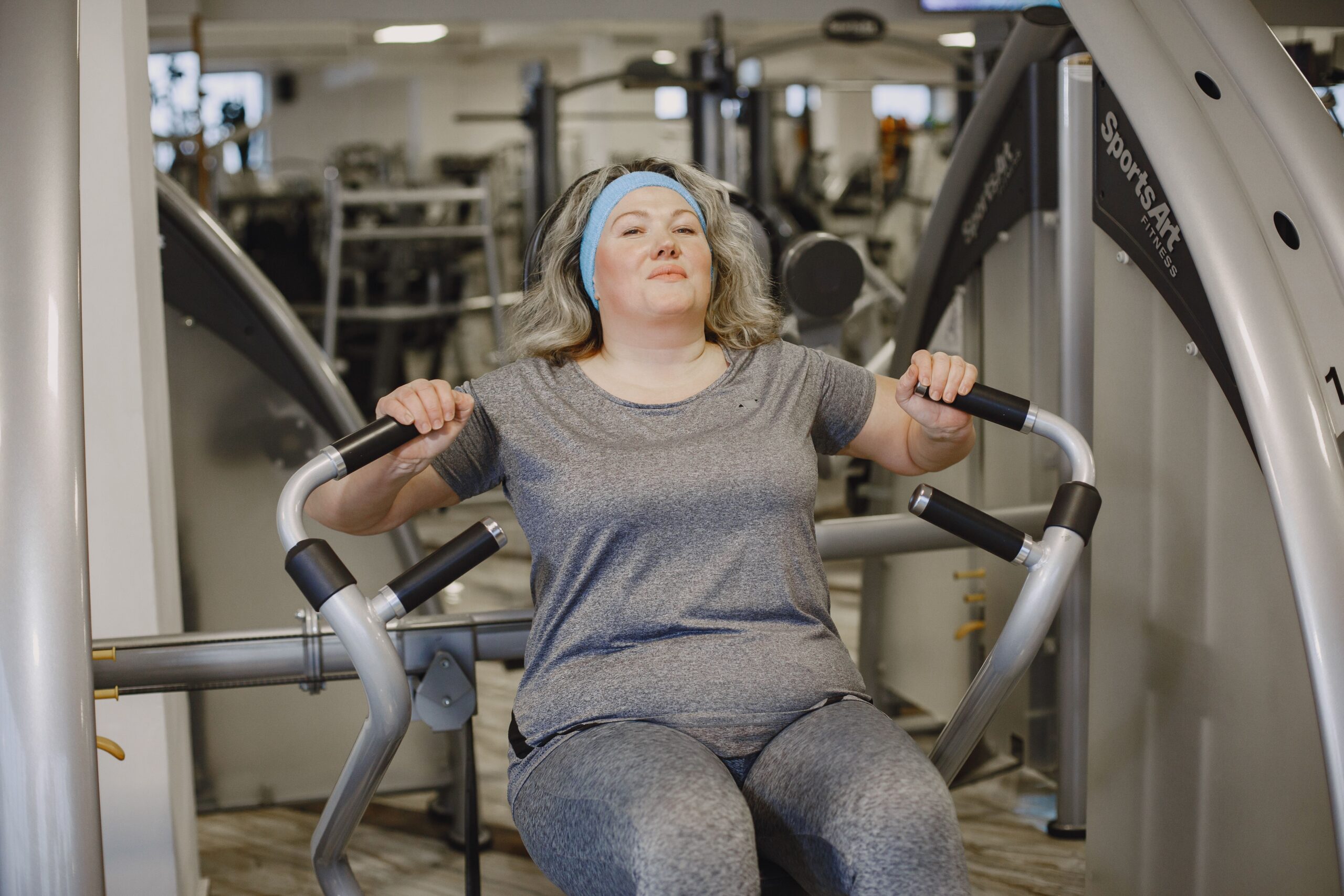
After 50, the muscle changes that were quiet in your 40s become easier to notice: a heavier suitcase, a slower climb, a longer recovery after illness. Humanic Blue’s question is what the research actually shows about training at this age. For living longer and better, the relevant measure is how much strength people carry into their 60s and 70s.
A 2011 analysis of adults 50 and older reported lean-mass gains with resistance training; it did not identify one program for everyone. The current US Physical Activity Guidelines recommend muscle-strengthening activity at least two days a week for adults; that is population guidance, not an individual prescription. In a small experiment—not a hospital study—healthy adults averaging 67 lost about 13% of the strength used to straighten the knee after 10 days of strict bed rest. A 2025 analysis of randomized trials in adults 60 and older found that low-, moderate- and high-volume resistance programs improved lean mass and lower-limb strength compared with no exercise. Aging studies suggest strength often falls faster than muscle mass, but there is no universal rate beginning on your 50th birthday. A clinician or physical therapist can help determine a suitable return to activity after illness or injury. The evidence does not show that preserving muscle in your 50s extends lifespan.
Below: the pace of loss, what speeds it up, what training does and what to measure.
Key Takeaways
- Aging studies report that strength often declines faster than muscle mass, but rates vary between populations and methods.
- A small experiment found about a 13% loss of knee-straightening strength after ten days of strict bed rest in healthy adults averaging 67. It did not study people in their 50s or hospitalized patients.
- Trials in adults 60 and older found lean-mass and strength gains across programs involving different amounts of resistance exercise. Higher amounts may add strength benefit, but evidence certainty was low to very low.
How quickly do muscle and strength change with age?
A 2012 quantitative review compiled studies that measured age-related changes in muscle. Studies that followed the same people around age 75 reported faster muscle loss than studies comparing different age groups at one point in time. Those approaches answer different questions: one tracks change, while the other compares people who grew up in different decades. The reported rates are below.
In studies measuring both outcomes in the same samples, strength declined two to five times faster than mass. The review also found strength loss to be a more consistent marker of disability and mortality risk than loss of mass. These are pooled aging estimates from studies with differing methods and populations, not a personal forecast or proof that decline begins at 50.
In these studies, strength was more closely linked to function and survival than muscle size. The broader case is made in Why Muscle Matters for Longevity.
What speeds it up: the inactive stretch
The decline isn’t always gradual. Illness, injury or a hospital stay can compress a lot of loss into a short time.
In a 2008 experimental study, a small group of healthy adults averaging 67 years old spent ten days on continuous bed rest while eating enough calories and protein at the adult Recommended Dietary Allowance level. Afterward, the strength used to straighten the knee was about 13% lower, stair-climbing power about 14% lower and maximal aerobic capacity—the body’s ability to use oxygen during exertion—about 12% lower. Their voluntary physical activity also fell.
Two sets of short physical-performance tests, including the Short Physical Performance Battery, did not show a statistically clear change. This was a small, uncontrolled laboratory experiment in healthy adults in their late 60s, not a study of adults in their 50s or patients who were ill in a hospital. A 2021 systematic review nonetheless found a consistent pattern of early muscle-mass and performance loss across experimental bed-rest studies in healthy older volunteers. The reviewers found a high risk of bias in several areas of every trial they assessed quantitatively, meaning study-design problems could distort the results.
How does a short period of inactivity change the story of gradual age-related decline?
Can training still build strength after 50?
Resistance training—working muscles against a load—is the main intervention studied here. Lean mass includes muscle, water and other nonfat tissue; a lean-mass gain is not a direct measure of muscle gained. A 2011 meta-analysis combined randomized and nonrandomized studies in adults aged 50 and older. Training groups gained an average of about a kilogram of lean mass, but results differed widely between studies. Comparisons across studies linked more training with larger gains and older participant groups with smaller gains. Those comparisons cannot show that the same program works less well with every birthday.
A newer 2025 network meta-analysis combined randomized trials in adults aged 60 or older. Programs involving low, moderate and high amounts of resistance exercise all improved lean mass, muscle size and leg strength compared with no exercise. Lower amounts improved lean mass, muscle growth and several function tests; moderate and high amounts ranked better for leg strength. Evidence certainty was low for lean mass and muscle growth and very low for strength. Most participants were physically healthy older adults. Training amounts described the work assigned, which participants may not always have completed.
Current US Physical Activity Guidelines recommend muscle-strengthening activity at least two days a week, plus 150–300 minutes of moderate-intensity aerobic activity. That is a public-health minimum, not a personalized lifting prescription.
What does a strength gain establish separately from a gain in lean mass?

What helps the training work
Protein. Guidance for this age is debated. The 2025–2030 US Dietary Guidelines use a general target of 1.2–1.6 grams of protein per kilogram of body weight per day. The National Academies’ adult Recommended Dietary Allowance (RDA) remains 0.8 grams per kilogram per day. Neither creates a special requirement beginning at 50. Kidney disease, appetite, total energy intake and food source can change the calculation, as covered in Protein Needs After 50 and Best Protein Sources for Healthy Aging.
Creatine. A 2026 meta-analysis of 11 randomized trials in adults 60 and older found a small strength benefit when creatine was added to resistance training, with moderate certainty. The muscle-mass estimate was less certain and could not rule out no benefit. That is an adjunct finding, not a substitute for training, as covered in Creatine After 50.
Menopause. In a study following women aged 47–55 over time, the menopausal transition was associated with loss of lean and muscle mass, while higher physical activity was associated with better preservation. This was observational rather than a randomized prevention trial; see Protect Muscle During Menopause.
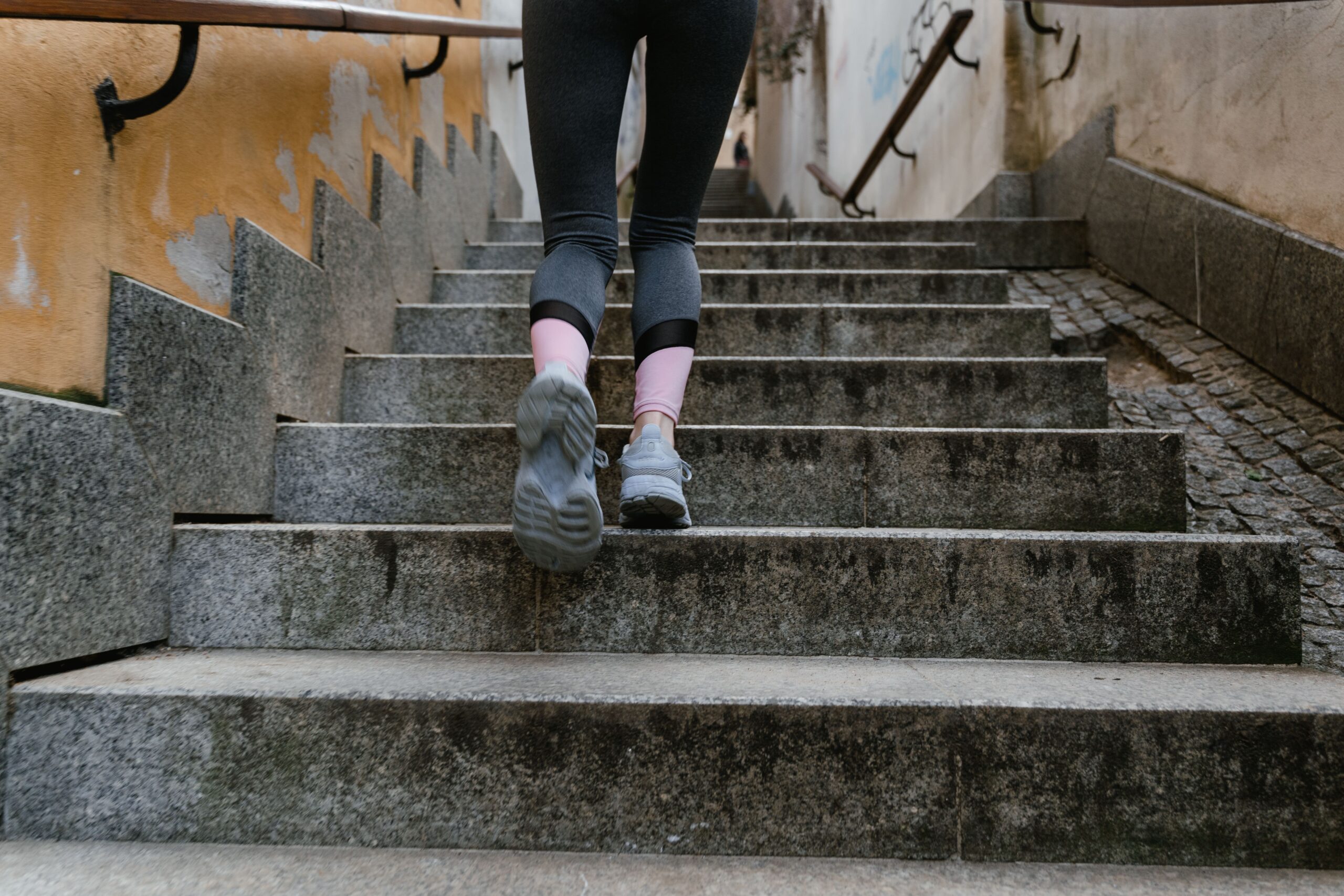
Which measures can track change after 50?
| Measure | Why after 50 | Where to learn more |
|---|---|---|
| Grip strength | Screens for low strength; clinical cutoffs exist | Grip Strength and Longevity |
| Chair rises and stairs | Leg strength and power, which dropped sharply after bed rest | Ask a physical therapist |
| Training log | Shows whether volume and load are rising | Your own records |
| Recovery after illness | Tracks whether strength returns after time off | Your own records |
What’s Interesting
The newer volume evidence changes the planning question. Radaelli and colleagues found lean-mass and functional improvements even with low-volume programs in adults 60 and older. More volume may help strength, but the certainty is very low and the best dose depends on health, experience, recovery and adherence.
What This Means in Practice
- Training frequency: The US Physical Activity Guidelines recommend muscle-strengthening activity at least twice weekly for adults. The trials in adults 60 and older found benefits across low, moderate and high program volumes; they do not establish an individual starting volume.
- Strength and function: Aging cohorts linked strength more closely than size to later function and survival. A physical therapist can assess whether leg-focused movements such as chair rises or steps suit a person’s joints and balance.
- Time away from activity: The bed-rest experiment documented short-term losses in healthy older adults. After illness, injury or hospitalization, a treating clinician or physical therapist can determine whether rehabilitation is needed and when activity can resume.
- Nutrition context: Protein targets differ across guidelines, and kidney disease or low appetite may change an individual assessment. A dietitian can help reconcile those factors.
- Tracking: Grip, chair-rise and training-log measures describe different aspects of strength and function; a clinician or therapist can help interpret a change that is concerning.
A physical therapist or qualified trainer can build a program around joint limits. A clinician can review medications and conditions that affect strength.
Bottom Line
Studies of adults 50 and older associate resistance training with gains in lean mass and strength, while a small bed-rest experiment showed rapid strength loss in healthy adults averaging 67. The evidence does not identify a universal decline rate beginning at 50. Randomized trials in adults 60 and older show that even low-volume resistance training can improve lean mass and function; higher volume may add strength benefit, but that evidence is very uncertain. The federal two-day activity target is population guidance, and recovery after illness or injury may call for an individualized plan. Whether preserving muscle in your 50s adds years of life has not been tested.
A NOTE FROM LONGEVITY365
We read research, consult expert perspectives and work to make complicated health information easier to understand. What you’re reading here reflects how we’ve interpreted and organized that information. It is educational content—not personal medical advice, diagnosis or treatment guidance.
We’re not perfect, and neither is the available research. Evidence changes, new studies emerge and what’s appropriate for one person may not be appropriate for another.
Use this article as a starting point for your own research and conversations with qualified professionals. Always talk with your doctor or another trusted healthcare professional before making decisions that could affect your health, particularly if you take medications, are receiving treatment, have existing health conditions, are pregnant or have other circumstances that could affect what’s appropriate for you.
Reader Questions
A few questions to carry into the comments or your next conversation. Please leave out identifying or personal medical details.
- 01Which measurement or milestone would feel useful to track without letting it take over the whole point of moving?
- 02Which real-world barrier did the article address most usefully: time, confidence, access, recovery, or knowing where to start?
- 03What question would you bring to a clinician, physical therapist, trainer, or exercise professional after reading about Prevent Muscle Loss After 50?
Extra Insights & Sources
The evidence summaries and linked sources behind this article.
What We Know
- Strength often declines faster than muscle mass in aging cohorts, and strength loss is the more consistent risk marker. Supported, with heterogeneous estimates.
- Short experimental bed rest can cause substantial strength loss in healthy older adults. Supported, but based on small, high-risk-of-bias studies.
- Resistance training improves lean mass, muscle size and lower-limb strength in adults 60 and older across a range of program volumes. Low to very low certainty, depending on outcome.
What We Don’t Know
- Whether preventing muscle loss in your 50s extends lifespan. Unknown.
- How closely experimental bed-rest results predict loss during a real hospital stay complicated by illness, medication and poor intake. Uncertain.
- The ideal protein intake for adults in their 50s. Contested.
Detailed measures and estimates
Mitchell’s cross-sectional studies gave median estimated annual muscle-mass losses of 0.47% in men and 0.37% in women. Longitudinal studies around age 75 reported 0.80%–0.98% in men and 0.64%–0.70% in women. These methods and populations differ.
The Kortebein bed-rest volunteers ate 0.8 grams of protein per kilogram of body weight daily. Peterson’s pooled training-group lean-mass change was 1.1 kg; variation between study results was very high (I²=84%). The age and training-volume findings came from meta-regression, a comparison across studies rather than a randomized comparison within one trial.
Li’s creatine analysis reported a standardized strength effect of g=0.31, classified as small. Standardizing lets researchers combine tests measured on different scales. The uncertainty interval for muscle mass crossed the no-effect value, so it did not establish a mass benefit.
Sources
- Mitchell et al., Frontiers in Physiology (2012): quantitative review of cross-sectional and longitudinal aging studies. It estimated median muscle-mass decline and found strength declined two to five times faster in studies measuring both, but methods, ages and populations varied. https://pubmed.ncbi.nlm.nih.gov/22934016/
- Kortebein et al., Journals of Gerontology: Series A (2008): uncontrolled experiment in 11 healthy adults averaging 67; 10 days of continuous bed rest reduced knee-extensor strength 13.2%, stair-climbing power 14% and maximal aerobic capacity 12%, while two short physical-performance batteries did not change significantly. https://pubmed.ncbi.nlm.nih.gov/18948558/
- Di Girolamo et al., Frontiers in Nutrition (2021): systematic review of 25 experimental bed-rest studies involving 118 healthy adults over 60; 17 studies entered meta-analysis. It found an early pattern of performance and muscle loss, but all 11 trials in its quantitative bias assessment had high risk in several domains. https://pubmed.ncbi.nlm.nih.gov/34422875/
- Peterson et al., Medicine & Science in Sports & Exercise (2011): meta-analysis of 49 randomized and nonrandomized studies, 1,328 adults aged 50 or older and an average 20.5-week program duration. The 1.1-kg pooled lean-mass change had very high heterogeneity; volume and age findings were study-level meta-regressions. https://pubmed.ncbi.nlm.nih.gov/20543750/
- Radaelli et al., Sports Medicine (2025): network meta-analysis of 151 randomized trials and 6,306 adults aged 60 or older. All volume categories improved lean mass, muscle size and lower-limb strength; evidence certainty was low for lean outcomes and very low for strength, and data for physically impaired adults were limited. https://pubmed.ncbi.nlm.nih.gov/39405023/
- Physical Activity Guidelines for Americans, current federal guidance: recommends muscle-strengthening activity on at least two days per week and 150–300 minutes of moderate-intensity aerobic activity for adults. https://odphp.health.gov/our-work/nutrition-physical-activity/physical-activity-guidelines/current-guidelines/top-10-things-know
- National Academies, Dietary Reference Intakes (2005): establishes the adult protein RDA of 0.8 g/kg/day and explains the nitrogen-balance evidence used to derive it. https://nap.nationalacademies.org/read/11537/chapter/14
- Dietary Guidelines for Americans, 2025–2030: current federal policy document using a general protein target of 1.2–1.6 g/kg/day; it does not establish a special requirement beginning at age 50. https://cdn.realfood.gov/DGA_508.pdf
- Li et al., Frontiers in Nutrition (2026): systematic review and three-level meta-analysis of 11 randomized trials in adults 60 and older; creatine added to resistance training produced a small strength benefit with moderate certainty, while muscle-mass evidence was low certainty. https://pubmed.ncbi.nlm.nih.gov/42712402/
- Bondarev et al., Journal of Clinical Medicine (2020): observational follow-up of 234 women aged 47–55 across the menopausal transition; transition was associated with lean- and muscle-mass loss, while higher physical activity was associated with better preservation. https://pubmed.ncbi.nlm.nih.gov/32456169/
Photo credits
Images from Pexels.
- featured: Photo by Gustavo Fring — original Pexels photo.
- inline-1: Photo by MART PRODUCTION — original Pexels photo.
- inline-2: Photo by Ketut Subiyanto — original Pexels photo.
Leave a Reply