
Food
Protein Needs After 70
There is no new protein threshold at 70. The practical concern is malnutrition risk, especially during illness, hospitalization and recovery.
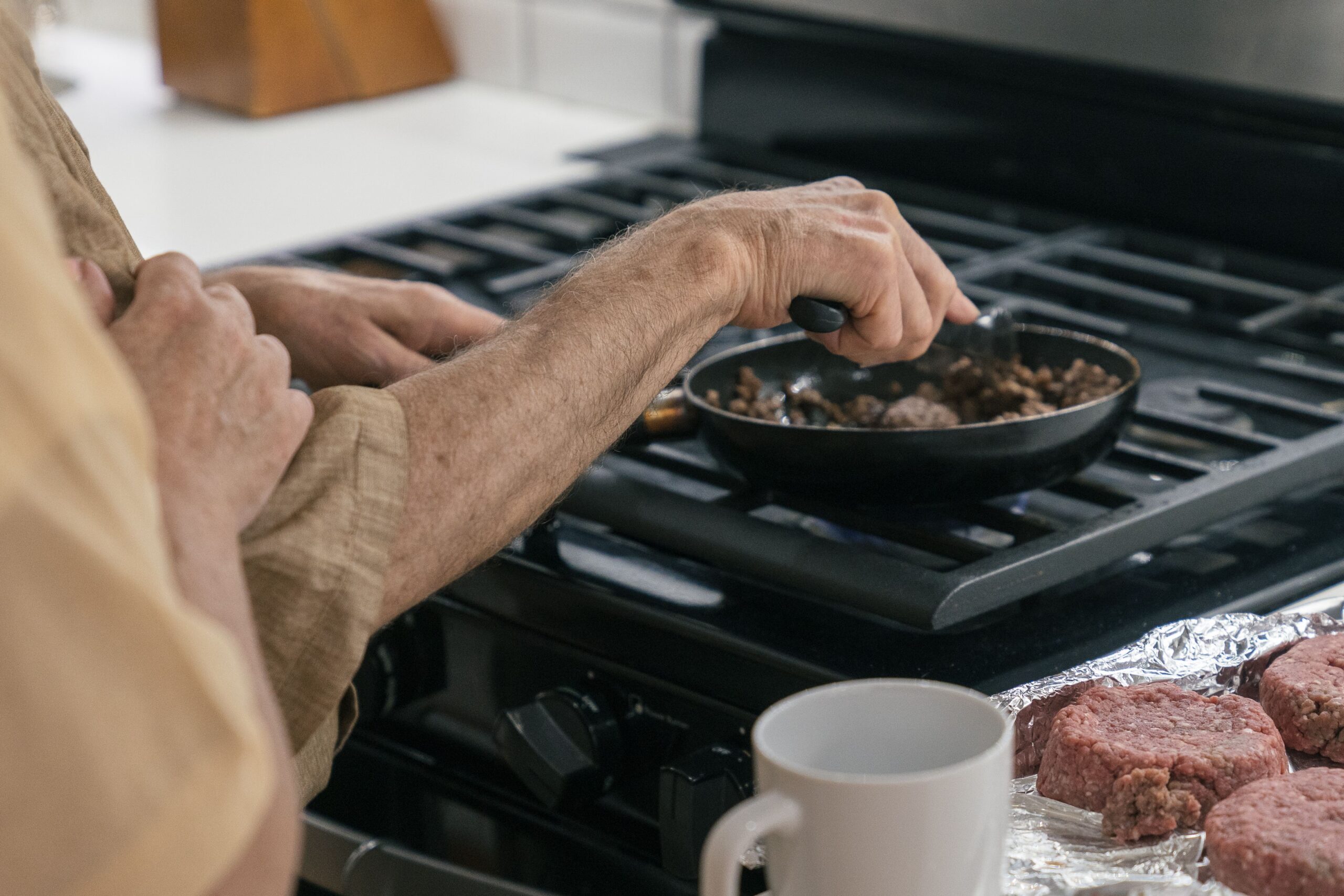
After 70, the protein conversation often shifts from setting an ideal target to checking whether meals are still supplying enough. Humanic Blue is looking at the practical barriers: a smaller appetite, a hospital stay or difficulty shopping and cooking can quietly cut intake at the age when muscle is harder to rebuild.
There is no new protein threshold at 70. The PROT-AGE expert group recommends 1.0 to 1.2 grams per kilogram of body weight per day for generally healthy people over 65 and 1.2 to 1.5 g/kg/day during many illnesses. For someone weighing 150 pounds, the first range is roughly 68 to 82 grams a day. That 2013 consensus is not the same as an established individual requirement or the newer US guideline target. The more actionable issue is nutritional risk during illness and recovery. A 2026 Cochrane analysis found low-certainty evidence that oral nutrition formulas may reduce 30-day mortality in hospitalized adults aged 65 or older who had or were at risk of malnutrition; evidence for added protein alone was very uncertain. Chronic kidney disease may require a lower target. For living longer and better after 70, guidance from the European Society for Clinical Nutrition and Metabolism (ESPEN) emphasizes screening for undernutrition and matching support to the actual problem.
Key Takeaways
- A 2013 geriatric consensus recommends 1.0–1.2 g/kg/day after 65 and more during many illnesses. This is guidance, not proof of a threshold at 70.
- In hospitalized older people at nutritional risk, oral nutrition formulas may reduce 30-day deaths and serious adverse events. Confidence in this finding is low, and the formulas contained more than protein.
- In medical inpatients at nutritional risk, individualized calorie, protein and micronutrient support reduced 30-day adverse outcomes in one large trial. The trial tested comprehensive nutrition care, not protein alone.
- In older adults with frailty or age-related loss of muscle and function, protein-containing products improved some physical measures but added little muscle.
- Whether eating more protein after 70 extends lifespan in well-nourished people remains unknown.

How much do the protein targets change after 70?
The PROT-AGE numbers apply from 65 onward. How they translate into grams, and how they vary by situation, is covered in Protein Needs After 60. Per-meal amounts are in Protein Needs After 50.
The 2022 ESPEN practical guideline describes malnutrition and dehydration as common in older populations and recommends routine malnutrition screening. Risk is not created by a birthday: illness, appetite loss, swallowing or chewing difficulty, medication burden, isolation and inability to shop or cook can all change intake. A screening result is a prompt for assessment, not a diagnosis by itself.
Can nutrition support help when intake falls short?
A 2026 Cochrane analysis comparing nutrition interventions combined 21 trials in hospitalized adults aged 65 or older; mean ages across trials ranged from 75 to 85. Interventions included added protein, energy supplements, oral nutrition formulas, feeding support and comprehensive individualized nutrition care. Compared with control, oral nutrition formulas were associated with an estimated 54% lower 30-day mortality and 44% fewer serious adverse events, but both findings were graded low certainty because each comparison contained limited studies and participants. Length of stay did not clearly improve.
This result should not be translated into protein powder saving lives. Only three studies tested added protein, and evidence for most protein-specific outcomes was very uncertain; one comparison of nonfat tissue involved fewer than 20 people. The formulas contained energy and other nutrients, and the hospitalized populations had diverse acute and chronic conditions.
Signs worth raising with a clinician include unplanned weight loss, clothes getting looser, smaller meals, skipped meals or difficulty chewing and swallowing.
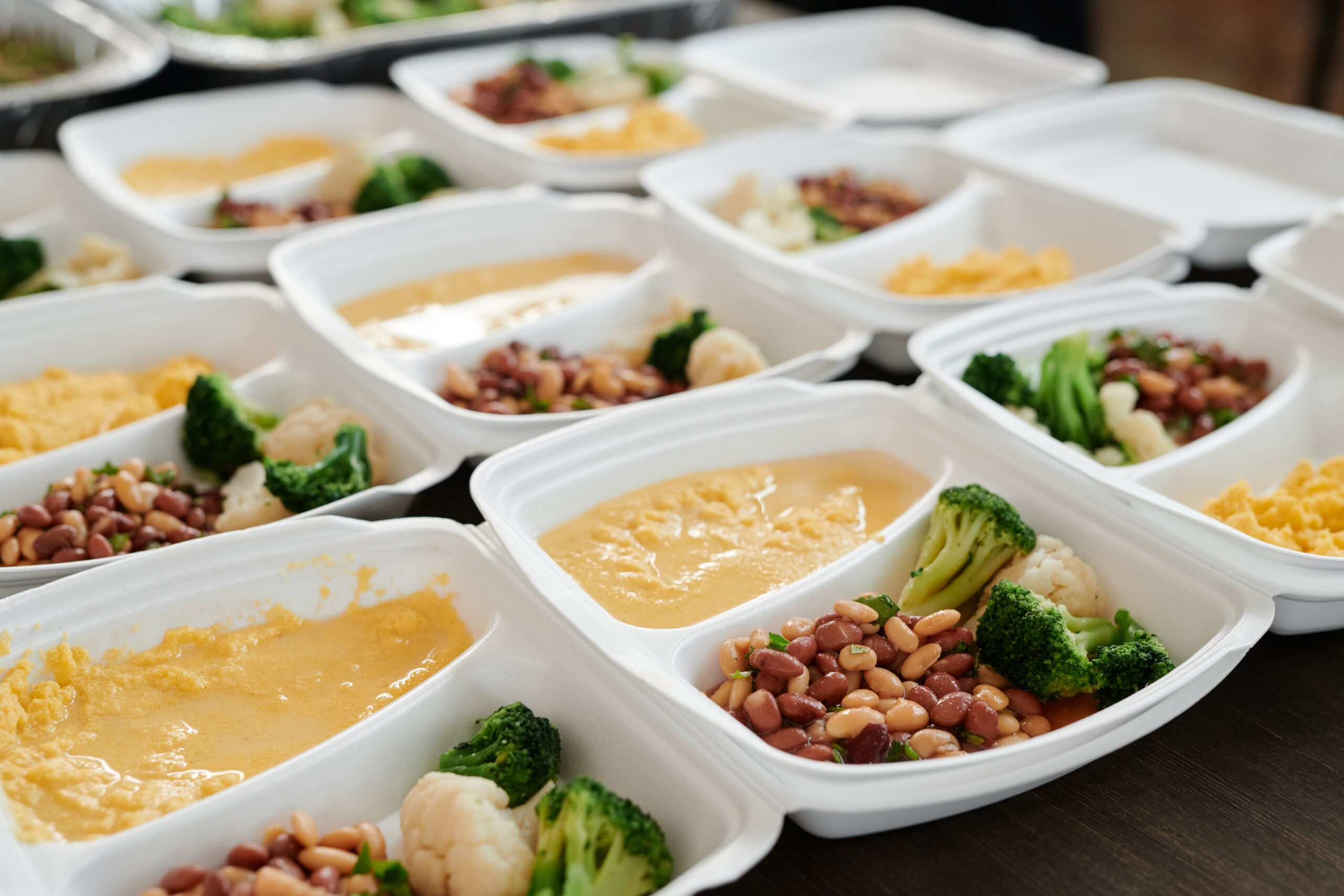
What happens in the hospital and after?
During a hospital stay. The EFFORT trial, run in eight Swiss hospitals, assigned medical inpatients at nutritional risk, who were not critically ill, to comparison groups; their mean age was 72, although adults 18 and older were eligible. Dietitians set individualized calorie and protein goals and used menu changes, oral formulas, tube feeding or intravenous nutrition as needed. By 30 days, 7% of the intervention group and 10% of the standard-care group had died; the study’s main measure, which counted several adverse outcomes together, occurred in 23% and 27%. Participants and care teams knew which treatment they received. This supports individualized nutrition care for at-risk medical inpatients, not a protein-only effect. The Swiss National Science Foundation funded the trial.
After discharge. Iceland’s HOMEFOOD trial assigned adults aged 66 to 95 who were at nutritional risk after hospital discharge to comparison groups. The person assessing outcomes did not know the group assignments. Over six months, the intervention group received five home visits, three phone calls and free delivery of energy- and protein-dense foods and oral formulas. It gained an average 1.7 kg, while the standard-care group lost 3.5 kg; physical-performance scores improved only in the intervention group. The trial was small, had a sex imbalance between groups and tested an intensive package, not protein alone.
Which findings concern nutrition support during hospitalization, and which concern support afterward?
Frailty and sarcopenia
Frailty means reduced ability to recover from stresses such as illness. Sarcopenia is loss of muscle mass and strength. They can overlap, but the trials below studied different groups and products.
Frail older adults. In a 24-week Dutch trial, a small group of frail older people took 15 grams of milk protein at breakfast and lunch or a placebo. Scores on the Short Physical Performance Battery (SPPB) rose from 8.9 to 10.0 points in the protein group and did not change with placebo. This test combines walking speed, chair stands and balance on a 0-to-12 scale, with higher scores indicating better performance; muscle mass did not change in either group. The small study was conducted through Top Institute Food and Nutrition, an industry–academic partnership, and does not establish effects on falls, disability or survival.
Sarcopenia. In the 13-week PROVIDE trial, adults aged 65 or older with low muscle mass and reduced physical performance received twice-daily whey protein plus leucine and vitamin D or an equal-calorie control. Grip strength and overall performance improved similarly in both groups. The intervention produced a small 0.17-kilogram advantage in muscle mass in the arms and legs and roughly a one-second advantage in chair-rise time. Danone Nutricia Research funded the study, supplied the products, randomized participants and was involved at every study stage; some authors were company employees. The combined product also prevents attributing the result to protein alone.
The larger picture on supplements is covered in Protein Needs After 60: pooled trials found no benefit for healthy older people, but gains for people living with long-term conditions.
How would a gain in physical performance differ from a gain in muscle mass?
If you have kidney disease
The current 2024 Kidney Disease: Improving Global Outcomes (KDIGO) guideline suggests 0.8 g/kg/day for adults with chronic kidney disease (CKD) stages G3–G5, spanning moderate to advanced loss of kidney function, and advises those at risk of progression to avoid more than 1.3 g/kg/day. It also cautions against low-protein diets in people whose metabolism is unstable during illness and weighs the risks of malnutrition and age-related muscle loss. Dialysis can increase protein needs. A nephrologist or renal dietitian should set the target.
What’s Interesting
The studies discussed here found benefits in people at nutritional risk in the hospital and after discharge. They did not establish benefits from optimizing protein intake in well-nourished people. In hospital and post-discharge care, the effective interventions usually combine calories, protein, micronutrients, counseling, food delivery and feeding support. That distinction matters: the evidence supports solving undernutrition, not treating protein as a single longevity ingredient.
What This Means in Practice
For living longer and better after 70, the evidence distinguishes nutritional support for people at risk from extra protein for everyone.
- Watch for warning signs: unplanned weight loss, smaller or skipped meals, loose clothes, trouble chewing or swallowing.
- Ask for a malnutrition screen at checkups, especially after an illness or hospital stay.
- During and after a hospital stay, ask whether you’re at nutritional risk and whether a dietitian can help.
- Meal barriers need individual assessment. The studies do not establish one meal schedule or food list for everyone; appetite, chewing and swallowing can change what support is appropriate.
- Oral nutrition formulas were part of some studied support packages. A clinician or dietitian can assess whether a documented nutritional gap calls for meal support, formulas or another form of care.
- Muscle training is a separate question, covered in Build Muscle After 60.
- If you have kidney disease, get a target from your nephrologist or a renal dietitian.
A primary care clinician can screen for malnutrition. A registered dietitian can plan meals around appetite, chewing and health conditions. A dentist can help if chewing problems limit what you eat.
Bottom Line
There is no new protein requirement at 70. A geriatric consensus recommends 1.0–1.2 g/kg/day after 65 and more during many illnesses, while kidney disease can require less. The nutrition-support findings concern people at nutritional risk: low-certainty pooled evidence suggests oral nutrition formulas may reduce short-term mortality in hospitalized older adults, and intensive post-discharge care improved weight and physical performance in one small trial. These were comprehensive nutrition interventions, not tests of protein alone. Protein-containing products produced small or selective functional effects in frailty and sarcopenia trials, with no evidence of longer life in well-nourished people.
A NOTE FROM LONGEVITY365
We read research, consult expert perspectives and work to make complicated health information easier to understand. What you’re reading here reflects how we’ve interpreted and organized that information. It is educational content—not personal medical advice, diagnosis or treatment guidance.
We’re not perfect, and neither is the available research. Evidence changes, new studies emerge and what’s appropriate for one person may not be appropriate for another.
Use this article as a starting point for your own research and conversations with qualified professionals. Always talk with your doctor or another trusted healthcare professional before making decisions that could affect your health, particularly if you take medications, are receiving treatment, have existing health conditions, are pregnant or have other circumstances that could affect what’s appropriate for you.
Reader Questions
A few questions to carry into the comments or your next conversation. Please leave out identifying or personal medical details.
- 01Which part of this food question feels most practical in real life: what to eat, how much, timing, cost, or consistency?
- 02Where do you still see a gap between population evidence and the way one person actually eats?
- 03What would make "Protein Needs After 70" easier to discuss without turning food into another thing to optimize perfectly?
Extra Insights & Sources
The evidence summaries and linked sources behind this article.
What We Know
- A geriatric expert group recommends 1.0–1.2 g/kg a day after 65 and 1.2–1.5 g/kg during many illnesses. Consensus, not an established threshold.
- Malnutrition is common in older people, and routine screening is recommended. Established (ESPEN).
- Oral nutrition formulas may reduce 30-day mortality in hospitalized older adults at nutritional risk. Low-certainty pooled evidence; formulas are not protein alone.
- Comprehensive individualized hospital nutrition support reduced 30-day adverse outcomes. Supported by one large randomized controlled trial; participants and care teams knew the treatment assignments.
- Protein supplements improved some physical measures in frail and sarcopenic older adults, with little muscle gain. Supported.
What We Don’t Know
- Whether more protein helps well-nourished people over 70 live longer. Unknown.
- The best way to raise intake in people with poor appetite. Uncertain.
- Whether short-term muscle and performance gains prevent falls or disability over years. Unknown.
Additional study detail
In the Cochrane review, one fat-free-mass comparison included only 19 people. Such small comparisons help explain why evidence for added protein alone remained very uncertain.
Sources
- PROT-AGE Study Group position paper (2013): expert consensus for adults over 65 recommending 1.0–1.2 g/kg/day when generally healthy and 1.2–1.5 g/kg/day during many illnesses; not a trial or official US guideline. https://pubmed.ncbi.nlm.nih.gov/23867520/
- Kiesswetter et al., Cochrane Review (2026): analysis comparing nutrition interventions across 21 trials with 3,309 hospitalized adults aged 65 or older. It used individual participant records from 12 trials and published group results where those records were unavailable. Oral nutrition formulas may reduce 30-day mortality and serious adverse events, but certainty was low; evidence for added protein alone was very uncertain. https://pubmed.ncbi.nlm.nih.gov/41886673/
- Schuetz et al., EFFORT trial, The Lancet (2019): open-label randomized trial of 2,088 medical inpatients at nutritional risk, mean age 72. Comprehensive individualized nutrition reduced the 30-day composite outcome and mortality; adults of any age were eligible and the intervention was not protein alone. https://pubmed.ncbi.nlm.nih.gov/31030981/
- ESPEN practical guideline (2022): 82 recommendations developed through systematic review, evidence grading and consensus; recommends routine malnutrition screening and individualized, multidisciplinary care. https://pubmed.ncbi.nlm.nih.gov/35306388/
- HOMEFOOD trial (2023): assessor-blinded six-month trial of 106 Icelandic adults aged 66–95 at nutritional risk after discharge. An intensive package of counseling, home contact, food delivery and oral formulas improved weight and physical performance; small sample and baseline sex imbalance limit generalization. https://pubmed.ncbi.nlm.nih.gov/36028775/
- Tieland et al. (2012): 24-week placebo-controlled trial of twice-daily milk protein in 65 frail older adults; physical performance improved without a muscle-mass gain. Small sample, no long-term clinical outcomes and industry–academic setting. https://pubmed.ncbi.nlm.nih.gov/22889730/
- Bauer et al., PROVIDE trial (2015): 13-week trial of whey protein, leucine and vitamin D in 380 sarcopenic older adults; small effects on muscle mass in the arms and legs and on the time needed to rise from a chair, with no differential grip or overall-performance benefit. Funded and operationally supported by Danone Nutricia Research, with company-employed authors. https://pubmed.ncbi.nlm.nih.gov/26170041/
- NIA LIFE trial protocol, section 6.2.2: explains the Short Physical Performance Battery components and total score of 0–12, with higher scores indicating better performance. This source explains the scale used in the Tieland trial; it is not evidence for a protein benefit. Protocol
- KDIGO CKD guideline (2024): suggests 0.8 g/kg/day for CKD G3–G5, advises those at risk of progression to avoid more than 1.3 g/kg/day and emphasizes malnutrition safeguards. https://kdigo.org/wp-content/uploads/2024/03/KDIGO-2024-CKD-Guideline.pdf
Photo credits
Images from Pexels.
- featured: Photo by Mike Jones — original Pexels photo.
- inline-1: Photo by Julia M Cameron — original Pexels photo.
- inline-2: Photo by SHVETS production — original Pexels photo.
Leave a Reply