
Habits
What Are the Best Habits for Longevity?
US health agencies back the same short list for a longer life: no tobacco, regular activity, good food, enough sleep, connection and preventive care.
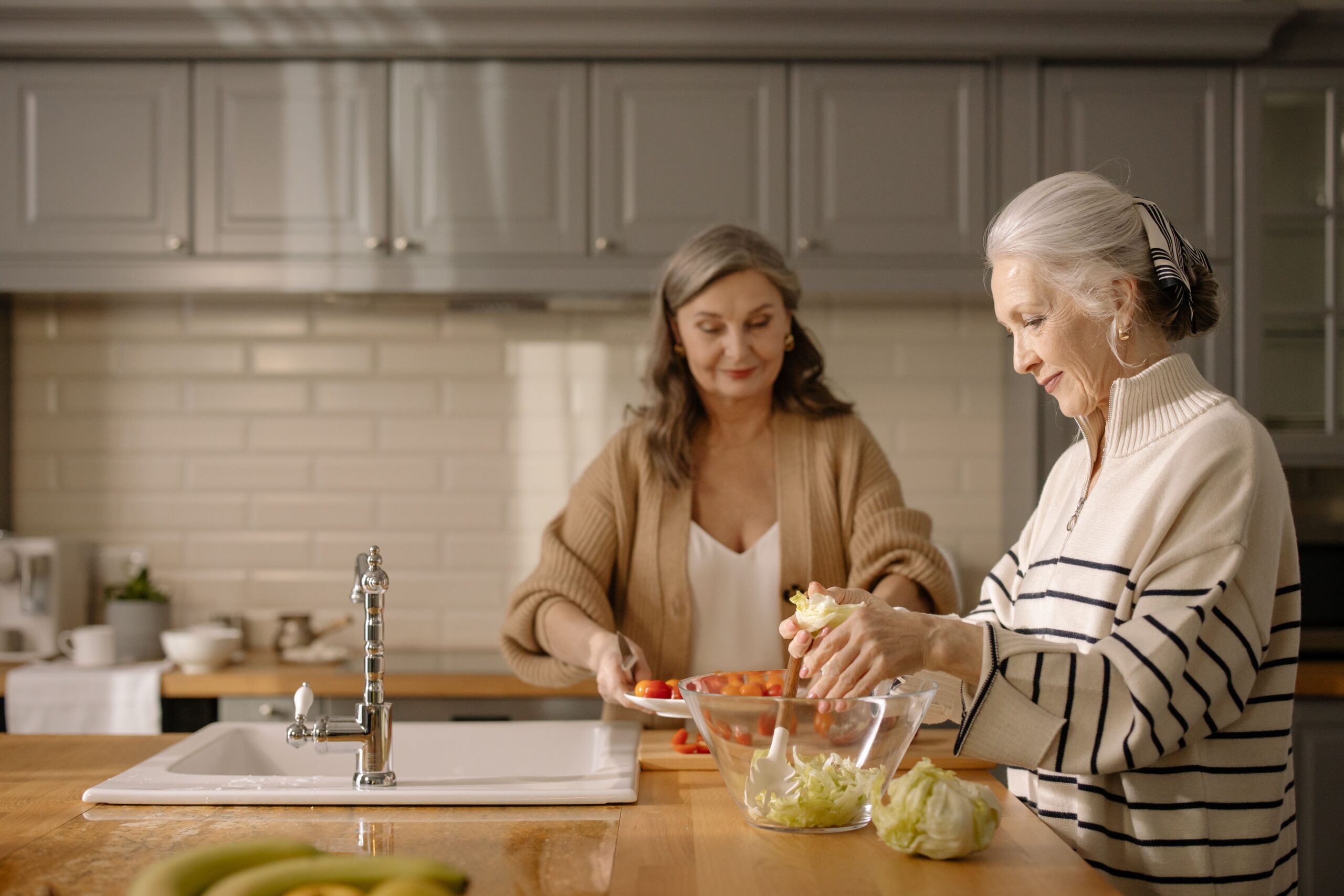
Ask the internet for the best habits for longevity and you’ll get a morning routine with more steps than a flat-pack wardrobe: a cold plunge, a red light, a fistful of capsules. Humanic Blue looked to US public-health agencies, whose list is a lot less photogenic.
Pieced together from the CDC, the National Institute on Aging, the federal activity guidelines, the Surgeon General and the Preventive Services Task Force, it goes like this: don’t use tobacco, move regularly and strengthen your muscles twice a week, eat a varied, nutrient-dense diet, sleep seven to nine hours, stay connected to other people and keep up with preventive care. In a Harvard analysis of more than 120,000 US nurses and health professionals, people with five healthy habits were projected to live 12 to 14 years longer from age 50 than people with none. That’s an estimate from observational data, not a guarantee, and every body starts from a different place.
In This Article
- Quitting smoking can add up to 10 years, the CDC says
- Five habits together: a 12-to-14-year gap in one Harvard estimate
- How much movement the federal guidelines ask for
- Seven to nine hours, and when poor sleep needs a doctor
- Why the Surgeon General treats friendship as a health issue
- Preventive care: the screenings on the federal list
- The studies and numbers behind all of this
Key Takeaways
- Quitting tobacco lowers the risk of dying early at any age, and the CDC says it can add as much as 10 years to life expectancy. Established.
- The federal activity guidelines ask adults for 150 to 300 minutes of moderate activity a week plus muscle strengthening on two or more days. Established for health and function.
- People who combine several healthy habits live noticeably longer in large observational studies, but no trial has tested a whole routine against lifespan. Supported (observational).
- Sleep, a healthy eating pattern and social connection are tied to healthier aging; how much each adds to lifespan is less certain. Supported, with varying certainty.
- Preventive care and supplements sit at opposite ends: screenings are graded on benefits versus harms, while supplements don’t need FDA approval before sale. Established.
What matters about tobacco and alcohol?
The first rung of this ladder is taking things away. The US Centers for Disease Control and Prevention says quitting smoking reduces the risk of premature death “and can add as much as 10 years to life expectancy.” It also lowers the risk of heart disease, chronic obstructive pulmonary disease (COPD, a group of lung conditions that make breathing difficult) and cancer, and the CDC says it helps “at any age,” even after many years of heavy smoking.
That 10 years is a population figure, not a personal forecast. Earlier quitting brings bigger gains, according to the CDC. Counseling, medications and quit-support services are all worth raising with a clinician.
Alcohol gets similar plain treatment. “You can lower your health risks from alcohol by drinking less or not drinking at all,” says the CDC’s alcohol guidance, which also tells non-drinkers not to start “for any reason.” Anyone who drinks heavily should get medical advice before stopping suddenly. The National Institute on Alcohol Abuse and Alcoholism warns that after long, heavy drinking, stopping suddenly can set off “a painful or even potentially life-threatening process of withdrawal,” and advises: “Seek medical help to plan a safe recovery.”
The CDC identifies smoking and alcohol as health risks. Its guidance concerns reducing those risks; the supplement claims discussed below concern benefits that remain unestablished.
When habits stack up
Researchers at Harvard’s T.H. Chan School of Public Health, led by Yanping Li, with nutrition epidemiologist Frank Hu as senior author, tracked about 123,000 US nurses and health professionals for up to 34 years. They counted five low-risk habits: never smoking, a healthy weight, at least 30 minutes a day of moderate-to-vigorous activity, moderate drinking and a high-quality diet.
At age 50, women with all five were projected to live about 14 years longer than women with none; for men the gap was about 12 years. Those with all five had roughly a quarter of the death rate of those with none during the study (Note 1). How the estimate was built
It’s a widely cited attempt to put a number on living longer through everyday habits, and it has real limits. It’s observational, the habits were self-reported, and the participants were mostly white health professionals. It also counted moderate drinking as a healthy habit, which the CDC’s current guidance no longer supports.
What separates the study's modeled life-expectancy differences from a promise about any one routine?
Move, and strengthen
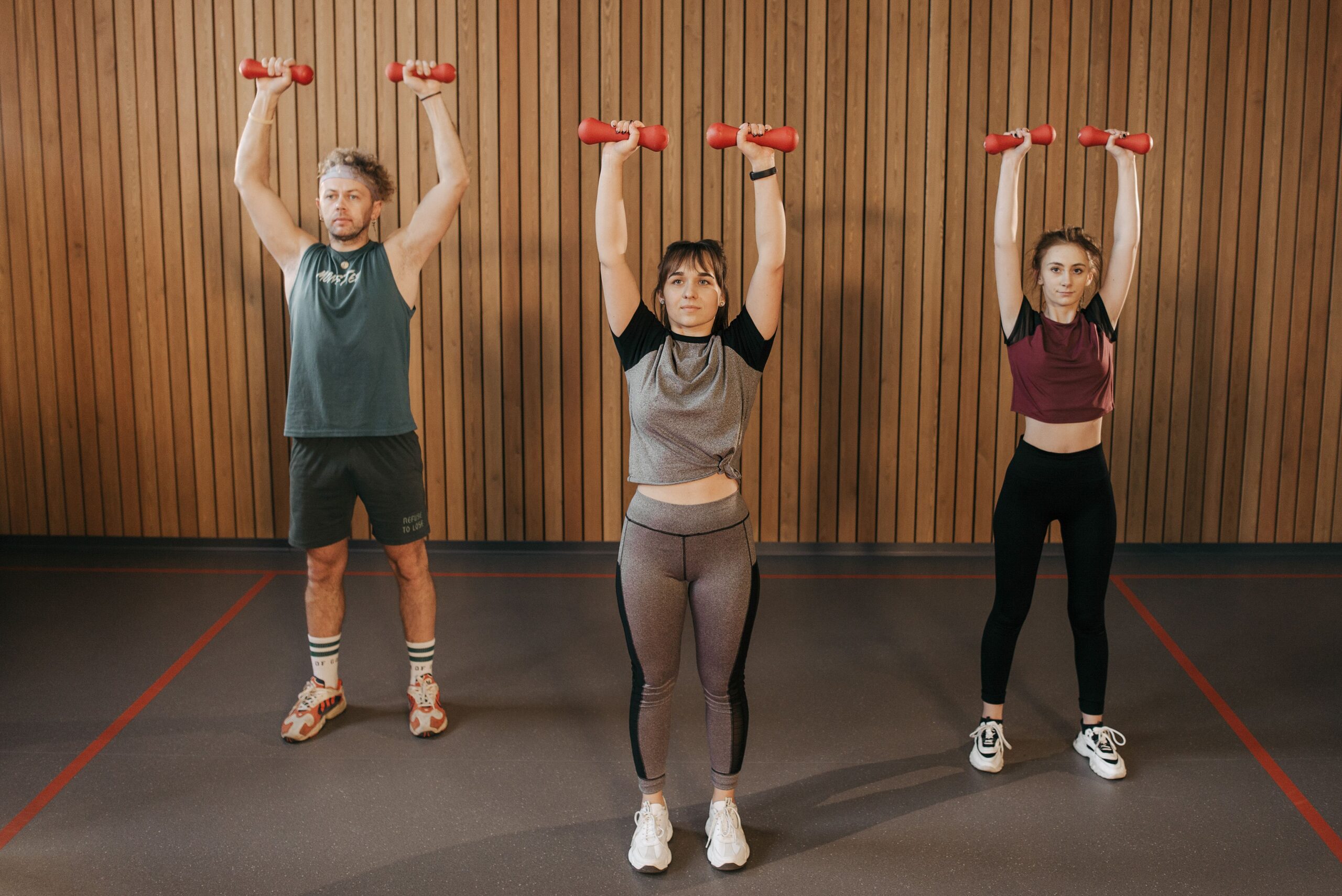
The federal Physical Activity Guidelines for Americans ask adults for 150 to 300 minutes of moderate activity a week, such as brisk walking or fast dancing, or 75 to 150 minutes of vigorous activity. They add muscle-strengthening work on two or more days, and balance training for older adults. Their first advice for adults: move more and sit less.
These numbers are a target, not an entry exam. “Some physical activity is better than none,” the guidelines say, and people starting from nothing should “start low and go slow.” Weights, machines, bands and push-ups all count as strength work.
The National Institute on Aging links regular activity in older adults with lower risks of heart disease, type 2 diabetes, several cancers, dementia and depression, plus better physical function. “Active older adults also tend to live longer!” the institute adds, exclamation point included. The function benefits come partly from trials; the lifespan comparisons are mostly observational and can be skewed by illness and wealth.
People with chronic conditions or symptoms should be under a health care provider’s care, according to the guidelines, which also say activity can be safe “for almost everyone.” Arthritis, heart disease or disability may change the starting point, not the value of moving. The guideline details
Eat a pattern, not a hero ingredient
The National Institute on Aging calls healthy eating “a cornerstone of healthy aging.” Its tips for older adults are plain: eat a variety of vegetables, fruits, grains, protein foods and dairy, and choose foods that don’t have a lot of sugar, saturated fat and sodium. Kidney disease, diabetes, allergies, medications and access to food can all change what that looks like for one person.
No single food works as a master switch for aging. Nutrition studies that follow people for decades are vulnerable to the “healthy user” problem: people who eat well may also exercise more, smoke less and have more money. Feeding trials can measure blood pressure or cholesterol, but they rarely run long enough to measure lifespan.
How much sleep do adults need?
Adults of every age need about seven to nine hours a night, according to the National Institute on Aging. Over time, it says, too little sleep can raise the risk of high blood pressure, heart disease and diabetes, and poor-quality sleep raises the risk of falls and accidents.
Sleep isn’t only a matter of willpower. The institute lists illness, medications, mental health and pain as common disruptors, and says insomnia, sleep apnea and restless legs syndrome become more common with age. Snoring can be a sign of apnea, and if you suspect apnea, the NIA says to talk to your doctor. Menopause symptoms, caregiving and shift work can also get in the way.
Sleeping more doesn’t automatically mean living longer. Studies linking sleep length to health are observational and can’t show cause and effect, so the practical goal is regular, restorative sleep and treatment of sleep disorders, not a perfect score on a wearable.

Why social connection matters to health
A 2023 advisory from the US Surgeon General says social isolation increases the risk of premature death by 29%. That figure comes from a 2015 review, led by Brigham Young University psychologist Julianne Holt-Lunstad, that pooled observational studies published between 1980 and 2014 (Note 2). The review’s numbers
“Increases” is doing a lot of work there. Loneliness may harm health, but illness, disability and money trouble can also cause isolation. The evidence doesn’t point to one social prescription that adds a fixed number of years.
The Surgeon General treats connection as a public-health issue. The distinction matters: counting contacts alone cannot show whether someone has reliable company or support, or explain barriers such as hearing loss, limited mobility or low mood.
How might illness or limited mobility affect both someone's social contact and the health risks described here?
Which preventive care belongs on the calendar?
Some longevity habits happen once a year, not once a day: blood-pressure checks, vaccines, dental and eye care, medication reviews and age-appropriate screening.
In the US, the Preventive Services Task Force grades screening on the balance of benefits and harms. Its A and B list includes screening for high blood pressure, colorectal cancer, breast cancer, prediabetes and type 2 diabetes, depression, HIV and hepatitis C. Timing depends on age, sex, family history and past results, and other countries use different schedules.
Cost may be less of a barrier than people expect. Most health plans must cover a set of preventive services, such as screening tests, at no cost when you use an in-network provider, according to HealthCare.gov, though it notes that coverage can vary. More on the task force
Screening isn’t automatically helpful. More testing can mean false alarms, anxiety and procedures you didn’t need, which is why the task force weighs harms at all. The task force’s recommendations concern defined groups, rather than testing everyone for everything. An abnormal screening result may need further evaluation before it can establish a diagnosis.
Where supplements fit
Treating a specific nutritional need and claiming to extend life are different uses of a supplement. Evidence for one does not establish the other.
The US Food and Drug Administration says it “is not authorized to approve dietary supplements for safety and effectiveness before they are marketed.” The agency also warns that mixing medications and supplements can endanger your health.
The FDA’s warning does not establish that every supplement is ineffective. It means that being available for sale does not establish a product’s safety or effectiveness, including any claim to extend life.
Make the routine small enough to survive real life
Plenty of diets and books promise new habits in as little as three weeks. A 2021 post on the National Institute on Aging’s research blog puts it at between 46 and 488 days to make sustained behavior change or build a new habit. That wide range does not establish a deadline for forming any one habit.
The agencies do not supply one combined sequence for every adult. The federal activity guidelines say to start low and go slow; the NIA addresses varied eating patterns and sleep problems; the USPSTF defines who is eligible for each screening. Someone recovering from an eating disorder, managing a chronic disease or living with a disability may need different support. Those separate recommendations cannot be turned into a universal six-step routine.
What’s Interesting
The habits with decades of research behind them look less like a wellness-app dashboard and more like routine maintenance on a car you plan to keep. They also overlap. Activity helps blood pressure, blood sugar, mood, sleep and balance at once. Quitting smoking changes risk across the heart, lungs and a dozen cancers. Friends make the walk more likely to happen.
That overlap is useful, because nobody follows a routine perfectly. In the Harvard analysis, projected life expectancy rose with each habit added, so partial credit showed up in the data. The interesting frontier isn’t a new habit; it’s making the old ones easier to repeat.
What This Means in Practice
The practical question for a primary care conversation is which of the agencies’ recommendations applies to someone’s current health and circumstances. Tobacco and alcohol use, activity, sleep symptoms, eating patterns, social support, blood pressure and past screening results provide different kinds of information; the research does not rank them in one order for everyone.
For living longer and better, the agencies cited here put their weight on consistency across several well-studied habits rather than perfection in one experimental one. The benefits you can feel, like energy, strength, sleep, mobility and company, still count even though no one can promise extra years. A primary care clinician can help set the order, and a pharmacist can check supplements against your medications.
The age-specific guidance is explored in Longevity Checklist for Your 30s and Longevity Checklist for Your 70s, where the priorities and screening calendar differ.
Bottom Line
The habits US health agencies back for longevity are familiar: no tobacco, regular movement and strength work, a nutrient-dense eating pattern, seven to nine hours of sleep, real connection and preventive care. One large Harvard analysis tied five such habits to 12 to 14 extra years from age 50, though that’s observational. How much any one habit adds for one person is unknown. These studies do not establish a personal schedule, a supplement regimen or a testing plan.
A NOTE FROM LONGEVITY365
We read research, consult expert perspectives and work to make complicated health information easier to understand. What you’re reading here reflects how we’ve interpreted and organized that information. It is educational content—not personal medical advice, diagnosis or treatment guidance.
We’re not perfect, and neither is the available research. Evidence changes, new studies emerge and what’s appropriate for one person may not be appropriate for another.
Use this article as a starting point for your own research and conversations with qualified professionals. Always talk with your doctor or another trusted healthcare professional before making decisions that could affect your health, particularly if you take medications, are receiving treatment, have existing health conditions, are pregnant or have other circumstances that could affect what’s appropriate for you.
Reader Questions
A few questions to carry into the comments or your next conversation. Please leave out identifying or personal medical details.
- 01What part of "What Are the Best Habits for Longevity" surprised you most, or made you want to ask a better question?
- 02Which distinction in the article would be most useful to carry into everyday life?
- 03What would you want Humanic Blue to unpack next from this topic?
Extra Insights & Sources
For readers who want the details behind each claim above.
What We Know
- Quitting tobacco reduces premature death and benefits health at any age. Established.
- Aerobic and muscle-strengthening activity improve cardiovascular, metabolic, musculoskeletal and functional outcomes. Established.
- Combining several low-risk habits is associated with substantially longer projected life expectancy in large cohorts. Supported (observational).
- Healthy eating patterns, adequate sleep and social connection are linked to healthier aging, though the strength and type of evidence differ by outcome. Supported.
- Evidence-graded preventive services can reduce disease-specific illness and death when matched to the right population and followed through. Established, service by service.
What We Don’t Know
- How many years a particular routine will add for one person. Unknown; population averages can’t answer it.
- Whether one diet, exercise plan or sleep schedule suits every body. Unsupported.
- Whether most commercial “longevity” supplements extend human lifespan. Unknown; not established in human trials.
- Whether pushing biomarkers beyond normal or clinically useful ranges improves outcomes. Unknown.
- How the reshaped task force will handle its existing A and B recommendations. Unknown as of September 26, 2026.
The five-habit study in detail
Li and colleagues (2018), published in Circulation, combined the Nurses’ Health Study (1980–2014; 78,865 women) and the Health Professionals Follow-up Study (1986–2014; 44,354 men). The five low-risk factors were never smoking, body mass index 18.5–24.9 kg/m², at least 30 minutes a day of moderate to vigorous activity, moderate alcohol intake (5–15 g/day for women, 5–30 g/day for men) and a diet quality score in the top 40%.
Over up to 34 years there were 42,167 deaths. Compared with zero low-risk factors, all five were associated with hazard ratios of 0.26 (95% CI 0.22–0.31) for all-cause mortality, 0.35 for cancer mortality and 0.18 for cardiovascular mortality. A hazard ratio compares the rate of deaths over time between groups; 0.26 means about one quarter of the comparison group’s rate. All-cause mortality means deaths from any cause. The 95% confidence interval (CI) describes statistical uncertainty around the estimate, not the range of outcomes for one person. The authors estimated that 60.7% of all-cause deaths were attributable to not following the five factors.
Using national survey data (NHANES 2013–2014) and CDC death rates, they projected life expectancy at 50 of 29.0 more years for women and 25.5 for men with no low-risk factors, versus 43.1 and 37.6 years with all five: gaps of 14.0 years (95% CI 11.8–16.2) for women and 12.2 years (10.1–14.2) for men. The authors concluded that adopting a healthy lifestyle “could substantially reduce premature mortality and prolong life expectancy in US adults.”
They list their own limits: self-reported diet and lifestyle, a yes/no count that treats each factor as equal, incomplete accounting for existing illness and treatment, and cohorts of “mostly Caucasian health professionals.” The authors report “a consistent dose-response relationship between the increasing number of low-risk factors and gained life expectancy,” including among smokers and non-smokers and among people with and without chronic conditions. They report no competing interests (Note 1).
Smoking and alcohol guidance in detail
The CDC’s quitting page (dated May 15, 2024; read via a September 21, 2026 archived copy because the live page blocks automated requests) says quitting “Reduces the risk of premature death and can add as much as 10 years to life expectancy,” reduces the risk of cardiovascular disease, COPD and cancer, and lowers the risk of 12 cancers. It adds that “quitting earlier in life yields greater health benefits” but that quitting “is beneficial to health at any age.”
The CDC’s moderate-alcohol page (dated January 14, 2025) says “even moderate drinking may increase your risk of death and other alcohol-related harms, compared to not drinking,” and “If you don’t currently drink, don’t start for any reason.” It notes that older studies favoring moderate drinking often didn’t separate out people who exercise more, eat well and don’t smoke, and sometimes grouped former drinkers who quit because of illness with lifelong non-drinkers. MedlinePlus (reviewed January 1, 2025) says alcohol withdrawal can range from mild to “a serious, life-threatening condition.”
Activity guidelines in detail
The second edition of the Physical Activity Guidelines for Americans (2018; the federal summary page was last updated November 19, 2025) recommends at least 150 to 300 minutes a week of moderate-intensity, or 75 to 150 minutes of vigorous-intensity, aerobic activity, plus muscle-strengthening activity involving all major muscle groups on 2 or more days a week. Older adults should do “multicomponent physical activity that includes balance training.” The safety guidance says people should “Understand the risks, yet be confident that physical activity can be safe for almost everyone,” and “Be under the care of a health care provider if they have chronic conditions or symptoms.”
The guidelines’ summary credits regular activity with lower risk of eight cancers, dementia, all-cause mortality, heart disease, stroke, high blood pressure, type 2 diabetes and depression, and with better bone health, physical function and quality of life; for older adults it also lowers the risk of falls and fall injuries.
Social isolation numbers
Holt-Lunstad and colleagues (2015), in Perspectives on Psychological Science, pooled studies from 1980 to 2014. Across studies that adjusted for other factors that could affect the comparison, social isolation had an odds ratio of 1.29, loneliness 1.26 and living alone 1.32: “an average of 29%, 26%, and 32% increased likelihood of mortality.” Odds ratios compare the odds of death between groups; 1 means no difference, and these figures describe higher odds rather than extra percentage points of deaths. They do not establish that isolation caused those deaths. Initial health status influenced the findings, and social deficits predicted death more strongly in samples averaging under 65. The Surgeon General’s 2023 advisory, Our Epidemic of Loneliness and Isolation, cites these figures and says a lack of social connection can raise the risk of premature death as much as smoking up to 15 cigarettes a day.
Preventive care and the task force
The USPSTF’s grade definitions say an A recommendation means “There is high certainty that the net benefit is substantial”; B means “There is high certainty that the net benefit is moderate or there is moderate certainty that the net benefit is moderate to substantial.” Examples on the A and B list, as read September 26, 2026: hypertension screening in adults 18 and older; colorectal cancer screening, including ages 45 to 49; biennial mammography for women 40 to 74; prediabetes and type 2 diabetes screening at 35 to 70 in adults with overweight or obesity; depression screening in adults; HIV screening from 15 to 65; and hepatitis C screening from 18 to 79.
Sources
- Centers for Disease Control and Prevention: Benefits of Quitting Smoking
- Centers for Disease Control and Prevention: About Moderate Alcohol Use
- National Institute on Alcohol Abuse and Alcoholism, Rethinking Drinking: Should You Cut Down or Quit?
- Li Y, et al. Impact of healthy lifestyle factors on life expectancies in the US population, Circulation, 2018: PubMed 29712712
- US Department of Health and Human Services: Physical Activity Guidelines for Americans, 2nd edition and Top 10 Things to Know
- National Institute on Aging: Health Benefits of Exercise and Physical Activity
- National Institute on Aging: Healthy eating, nutrition, and diet and 5 Tips for Choosing Healthier Foods as You Age
- National Institute on Aging: Sleep and Older Adults
- US Surgeon General: Social Connection
- Holt-Lunstad J, et al. Loneliness and social isolation as risk factors for mortality, Perspectives on Psychological Science, 2015: PubMed 25910392
- US Preventive Services Task Force: A and B Recommendations
- HealthCare.gov: Preventive health services (read September 26, 2026)
- US Food and Drug Administration: Information for Consumers on Using Dietary Supplements
- National Institute on Aging research blog: ‘Tis the season for healthy habit research (December 2021)
Notes
Note 1: The Nurses’ Health Study and Health Professionals Follow-up Study were funded by US National Institutes of Health grants; two authors also acknowledged support from the British Heart Foundation and the UK Medical Research Council.
Note 2: Funding for the 2015 Holt-Lunstad review isn’t listed in its public PubMed or Europe PMC records.
Photo credits
Images from Pexels.
- featured: Photo by cottonbro studio — original Pexels photo.
- inline-1: Photo by Pavel Danilyuk — original Pexels photo.
- inline-2: Photo by Keira Burton — original Pexels photo.
Leave a Reply