
Habits
What Health Screenings Do You Need in Your 40s?
Screening in your 40s depends on age, anatomy and risk: review blood pressure, cholesterol, mental health, breast and colorectal screening with a clinician.

US guidance from the US Preventive Services Task Force (USPSTF) and American Heart Association (AHA) covers blood pressure, heart and blood-vessel risk, depression, and one-time HIV and hepatitis C screening for adults in their 40s. Humanic Blue’s screening guide also tracks the age milestones: the US Preventive Services Task Force recommends mammography every two years from age 40 for people to whom its breast-screening guidance applies, and colorectal cancer screening begins at 45 for average-risk adults. Cervical screening continues for people with a cervix.
The complete list is not identical for everyone. Diabetes guidance is one example: the USPSTF limits its recommendation to adults ages 35 to 70 with overweight or obesity, while the American Diabetes Association (ADA) says screening should begin by 35 for everyone else too. Earlier or additional cancer screening may follow family or personal history. Screening can help people live longer and better when it detects a consequential problem early, but unnecessary testing can also produce false positives, overdiagnosis and invasive follow-up.
Key Takeaways
- The USPSTF recommends blood-pressure screening for adults; the American Heart Association also recommends cholesterol checks. Timing depends on results and risk.
- Mammography starts at 40 and average-risk colorectal screening at 45 under current USPSTF guidance; cervical screening depends on anatomy and prior results.
- Diabetes guidance differs by organization; infection, prostate, genetic and other screening decisions also depend on age, anatomy, risk or history.
What does “need” mean in a screening guideline?
Screening tests are intended for people without symptoms. A new breast lump, rectal bleeding, chest pain, unexplained weight loss or persistent low mood is not a reason to wait for the next screening interval; it requires diagnostic evaluation.
This article follows US guidance, primarily from the US Preventive Services Task Force (USPSTF). Other countries use different ages and intervals. Even within the United States, professional organizations sometimes disagree because they weigh benefits, false positives, procedures and patient preferences differently.
The recommendations fall into three groups:
- routine risk-factor checks that apply broadly;
- age milestones that begin during the decade; and
- anatomy-, history- or exposure-based screening.
The short checklist for your 40s
| Screening or review | Who should discuss it | Typical USPSTF or cited guidance | Important qualification |
|---|---|---|---|
| Blood pressure | All adults | USPSTF suggests annual checks from 40 or with increased risk | Confirm a new diagnosis outside the clinic |
| Cholesterol and cardiovascular risk | Most adults | AHA advises cholesterol testing about every 4–6 years if risk is low | More often with elevated risk or treatment |
| Breast cancer | People covered by the USPSTF breast recommendation | Mammogram every 2 years, ages 40–74 | High-risk history may require a different plan |
| Colorectal cancer | Average-risk adults | Begin at 45 and continue to 75 | Options include stool tests and tests that examine the colon |
| Cervical cancer | People with a cervix, generally ages 21–65 | Ages 30–65: a Pap test every 3 years, a high-risk HPV test alone every 5 years, or both together every 5 years | Prior abnormalities, immune status or cervix removal change the plan |
| Prediabetes/type 2 diabetes | USPSTF: ages 35–70 with overweight or obesity; ADA: all adults by 35 | After a normal result, every 3 years may be reasonable (USPSTF) or is the longest usual interval (ADA) | Earlier or more frequent testing may fit additional risks |
| Depression | All adults when follow-up care is available | Screen; no single optimal interval is established | A positive screen requires evaluation, not self-diagnosis |
| HIV | Ages 15–65 | Screen at least once; repeat with ongoing risk | Pregnancy has separate recommendations |
| Hepatitis C | Ages 18–79 | Screen | Repeat may be appropriate with continuing exposure risk |
This table is a conversation organizer, not an order form. The clinician should account for prior tests, symptoms, pregnancy, medications, surgeries and family history.
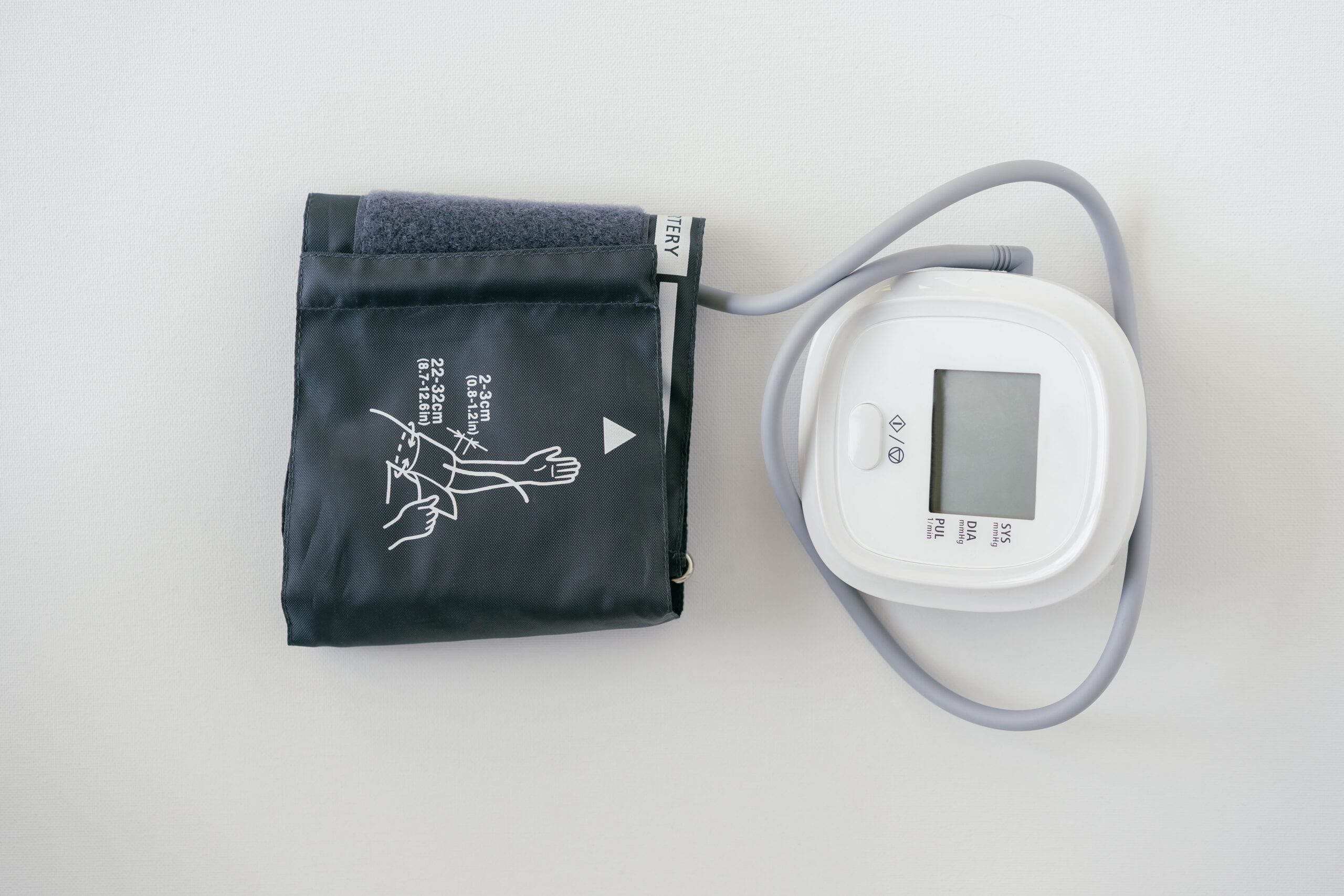
Check blood pressure—and confirm an unexpected result
High blood pressure commonly causes no symptoms. The USPSTF hypertension recommendation advises screening all adults and suggests annual screening for adults age 40 or older or those at increased risk. It recommends confirming a new diagnosis with measurements outside the clinic before treatment begins.
Home readings or a portable monitor worn during daily activities can distinguish persistently high blood pressure from a rise that occurs only in the clinic. Technique matters: cuff size, seated rest, arm position, caffeine, exercise and conversation can all affect a reading. One hurried measurement should not be treated as a diagnosis, while persistently high readings should not be dismissed because someone feels well.
Blood-pressure detection supports living longer and better only if accurate measurement leads to effective follow-up. The useful chain is screen, confirm, assess overall risk, treat when indicated and monitor.
Review cholesterol as part of cardiovascular risk
The American Heart Association recommends cholesterol testing every four to six years for adults at normal risk, with more frequent assessment when risk is higher. Its 2026 guideline on abnormal blood fats recommends the PREVENT risk calculators for 10-year cardiovascular risk in adults ages 30 to 79 and 30-year risk in adults ages 30 to 59; it also recommends measuring lipoprotein(a), or Lp(a), an inherited blood-fat risk factor, at least once in adulthood (2026 guideline summary).
The result is not simply “good” or “bad” cholesterol. Age, blood pressure, diabetes, smoking, kidney disease, family history and other factors affect what the numbers mean and whether lifestyle changes, medication or further assessment is appropriate.
Routine advanced lipid panels, coronary calcium scans or imaging are not automatically necessary for every person in their 40s. Some are most useful when they would resolve a specific treatment decision.
Mammography begins at 40 under USPSTF guidance
The USPSTF’s 2024 recommendation advises mammography every two years from ages 40 through 74. It applies to cisgender women and other people assigned female at birth at average risk, including those with dense breasts or a first-degree family history, but not people with previous breast cancer, high-risk lesions, certain genetic syndromes or high-dose chest radiation at a young age.
Those exclusions do not mean “do not screen.” They mean a higher-risk pathway may require different imaging, timing or specialist guidance.
Mammography reduces breast-cancer mortality, but it also produces false-positive recalls, benign biopsies and some overdiagnosis. USPSTF modeling estimated that biennial screening from 40 to 74 creates a more favorable benefit-to-harm balance than annual screening for the average-risk population. Organizations that recommend annual screening weigh that balance differently.
When does colorectal cancer screening start?
The USPSTF recommends colorectal cancer screening for average-risk adults from ages 45 through 75. Options include yearly fecal immunochemical testing (FIT), which looks for blood in stool; stool DNA-FIT, which also checks for DNA changes, every one to three years; CT scans of the colon every five years; and scope examinations. These include flexible sigmoidoscopy, which examines the lower colon at specified intervals, and colonoscopy, which examines the full colon every 10 years.
The USPSTF lists several screening options, including colonoscopy. Stool tests are completed at home and avoid sedation, but a positive result requires colonoscopy. Colonoscopy is less frequent and can remove polyps during the procedure, but it requires bowel preparation and carries small risks such as bleeding or perforation.
Family history, inflammatory bowel disease, previous polyps or a hereditary cancer syndrome can move screening earlier and change the test. Symptoms such as rectal bleeding or iron-deficiency anemia require diagnostic assessment rather than a routine home screen.
Cervical screening continues if you have a cervix
Under the current final USPSTF cervical-cancer recommendation, people ages 30 to 65 have three options: a Pap test, which checks cervical cells, every three years; a test for high-risk human papillomavirus (HPV) alone every five years; or both tests together every five years.
The plan changes after abnormal results, treatment of a high-grade lesion, immune suppression or exposure before birth to the medication diethylstilbestrol (DES). People who had the cervix removed for a benign reason and have no history of a high-grade precancer or cervical cancer generally should not continue screening under USPSTF guidance.
An annual pelvic exam and a cervical screening test are not the same thing. Nor does HPV vaccination erase the need to follow screening guidance.
Diabetes screening guidance differs
The USPSTF recommends screening nonpregnant adults ages 35 to 70 who have overweight or obesity. Tests measure blood sugar after fasting, its average level over recent months (hemoglobin A1c), or the response to a glucose drink. After a normal result, screening every three years may be reasonable, although the optimal interval is uncertain.
The American Diabetes Association’s 2026 Standards of Care cast a wider net: test adults of any age who have overweight or obesity plus at least one risk factor, begin by age 35 for everyone else and repeat at least every three years after a normal result. That is a professional-society recommendation, not the USPSTF population recommendation, so a checklist should name which standard it is following.
Clinicians may consider earlier testing or a lower body-mass-index threshold for people with additional risk, including a family history, previous gestational diabetes, polycystic ovary syndrome or membership in populations with a disproportionately high diabetes prevalence. These population differences reflect social and environmental factors as well as limits in standard BMI thresholds; they should guide access to prevention, not assumptions about an individual.
How do different diabetes-screening criteria change who a guideline describes?
Complete one-time infection screening and repeat when risk continues
The USPSTF recommends HIV screening for adolescents and adults ages 15 to 65 and hepatitis C screening for adults ages 18 to 79. A person in their 40s who has never been tested can ask whether the one-time screen is due.
Repeat frequency depends on ongoing exposure risk. Other infection screening, including hepatitis B and sexually transmitted infections, is based on pregnancy, sexual history, injection-drug exposure, birthplace, household contacts and other factors. A useful visit makes room for this history without judgment.
Mental health screening belongs on the list
The USPSTF recommends depression screening for adults, including pregnant and postpartum people, when systems are available for diagnostic evaluation and evidence-based care. It does not specify one optimal interval.
A questionnaire is a screen, not a diagnosis. Its benefit depends on follow-up and access to treatment. New suicidal thoughts, inability to stay safe or an acute mental-health crisis requires immediate help rather than waiting for routine screening.
What usually does not begin routinely in the 40s
Average-risk prostate-cancer screening is not a universal USPSTF recommendation for this decade. The Task Force’s current final recommendation calls for an individual decision about prostate-specific antigen (PSA) blood testing from ages 55 to 69 after discussing benefits and harms; an update is in progress. The 2023 American Urological Association guideline says clinicians should offer screening beginning at 40 to 45 to people at increased risk because of Black ancestry, an inherited gene change or a strong family history. That is a risk-based conversation, not automatic testing for everyone at 40.
Routine lung-cancer screening generally starts at 50 for adults with the required smoking history, not in the 40s. Bone-density screening also generally begins later for average-risk adults, although early menopause, long-term steroid use, low body weight, previous fragility fracture or other risks may move it earlier.
The USPSTF has found insufficient evidence to recommend universal clinician visual screening for skin cancer in asymptomatic average-risk adults. A changing, bleeding or unusual lesion is a diagnostic concern, and people with high risk may need a dermatologist-directed plan.

Can more screening cause harm?
An abnormal screening result can lead to more tests and treatment. A false positive—a result suggesting a problem that follow-up does not confirm—can lead to repeat imaging, biopsy, procedure risk and anxiety. Overdiagnosis finds a real abnormality that would never have caused illness during the person’s lifetime, but may still trigger treatment.
The tradeoff does not argue against recommended screening. It explains why age ranges, intervals and eligibility criteria exist. Screening is most valuable when a test accurately finds an important problem early, earlier treatment improves outcomes and harms remain acceptable.
For asymptomatic people, the FDA says whole-body CT has not been shown to provide more benefit than harm. The National Cancer Institute says no multi-cancer detection blood test has FDA authorization, and randomized trials have not yet established whether the marketed tests improve health outcomes. Before adding any commercial scan or panel, ask what condition it targets, whether early detection improves outcomes, the false-positive rate and what happens after an abnormal result.
What distinguishes a false positive from overdiagnosis in the screening pathway?
What’s Interesting
The decade is split by two clean milestones: breast screening at 40 for the population covered by the recommendation, and average-risk colorectal screening at 45. The less visible opportunity is cardiovascular. Blood pressure, lipids, smoking and diabetes risk can operate for years before symptoms appear, so identifying and treating them may shape several later-life outcomes at once.
Newer cardiovascular guidance also shifts attention from a single cholesterol threshold toward longer-term risk estimation and one-time Lp(a) measurement. That may make a 40s prevention visit more informative without turning it into a search for every measurable biomarker.
What This Means in Practice
Before an appointment, collect prior dates and results for mammograms, cervical tests, colon screening, blood pressure, cholesterol, glucose, HIV and hepatitis C. Write down first-degree relatives’ major diagnoses and ages at diagnosis. Bring a medication and supplement list, and note any symptoms separately from the screening checklist.
Then ask three questions: What is due now? What changes because of my anatomy, history or risk? What would we do with an abnormal result? That turns a generic checklist into a plan.
For living longer and better, the aim is not to maximize the number of tests. It is to complete the right tests, at the right intervals, with reliable follow-up—while continuing the everyday prevention that screening cannot replace.
For the surrounding decade plan rather than the screening list alone, Longevity Checklist for Your 40s adds fitness, sleep, nutrition and risk review.
Bottom Line
For adults in their 40s, USPSTF guidance covers blood pressure, cervical screening when applicable, mammography every two years from 40 for its eligible population, and average-risk colorectal screening from 45. Diabetes, HIV, hepatitis C and depression screening have their own eligibility and follow-up requirements. The American Heart Association also recommends cholesterol checks. Personal and family history may change which tests apply or when they begin. These recommendations concern specific diseases and risks; they do not establish how many extra years the combined checklist adds.
A NOTE FROM LONGEVITY365
We read research, consult expert perspectives and work to make complicated health information easier to understand. What you’re reading here reflects how we’ve interpreted and organized that information. It is educational content—not personal medical advice, diagnosis or treatment guidance.
We’re not perfect, and neither is the available research. Evidence changes, new studies emerge and what’s appropriate for one person may not be appropriate for another.
Use this article as a starting point for your own research and conversations with qualified professionals. Always talk with your doctor or another trusted healthcare professional before making decisions that could affect your health, particularly if you take medications, are receiving treatment, have existing health conditions, are pregnant or have other circumstances that could affect what’s appropriate for you.
Reader Questions
A few questions to carry into the comments or your next conversation. Please leave out identifying or personal medical details.
- 01Which part of this guide feels easiest to turn into a better question for a routine visit?
- 02Where do you still feel the line is blurry between a useful check and more testing than you need?
- 03What would make the next conversation clearer: timing, eligibility, possible harms, or what happens after an abnormal result?
Extra Insights & Sources
The evidence summaries and linked sources behind this article.
What We Know
- The USPSTF recommends blood-pressure screening for adults in their 40s and confirmation of a new diagnosis outside the clinic; treating hypertension can reduce cardiovascular risk. Established.
- Biennial mammography from 40 and colorectal screening from 45 have favorable net benefit for the populations covered by USPSTF guidance. Established guideline recommendations.
- Cervical, diabetes, HIV, hepatitis C and depression screening matter when their anatomy, age and risk criteria apply. Established but conditional.
- Follow-up is part of screening; detection without confirmation or care cannot deliver the intended benefit. Established.
What We Don’t Know
- One identical test list or interval for every adult in their 40s. Unsupported.
- Whether a commercial multipanel or whole-body scan improves lifespan in asymptomatic average-risk adults. Not established.
- The perfect balance between earlier detection and overdiagnosis for every person’s values and risk. Individual.
- Whether completing every recommended screening will guarantee a longer life. No.
Sources
- USPSTF, Hypertension in Adults: Screening (2021): supports adult screening, suggested annual checks from 40 and confirmation outside the clinic; the interval is a suggestion because direct interval evidence is limited.
- American Heart Association, Heart-Health Screenings: supports cholesterol checks about every four to six years in normal-risk adults, with more frequent review at higher risk.
- ACC/AHA, 2026 Dyslipidemia Guideline: Top Things to Know: supports PREVENT use, 10-year assessment at ages 30–79, 30-year assessment at 30–59 and once-in-adulthood Lp(a) measurement.
- American Diabetes Association, Standards of Care in Diabetes—2026: supports testing everyone else from 35, earlier testing with overweight/obesity plus risk factors and retesting at least once every three years after a normal result.
- USPSTF, Breast Cancer: Screening (2024): supports biennial mammography from 40 through 74 and the stated average-risk population and exclusions.
- USPSTF, Colorectal Cancer: Screening (2021): supports average-risk screening from 45 through 75 and the listed test intervals.
- USPSTF, Cervical Cancer: Screening (2018 current final recommendation): supports the three screening options at ages 30–65 and the stated exceptions; an update process does not replace the current final guidance.
- USPSTF, Prediabetes and Type 2 Diabetes: Screening (2021): supports screening nonpregnant adults 35–70 with overweight or obesity and treating a three-year interval after a normal result as reasonable, not certain.
- USPSTF, HIV Screening (2019): supports screening ages 15–65 and repeat screening with ongoing risk; the optimal repeat interval is not established.
- USPSTF, Hepatitis C Screening (2020): supports screening adults 18–79 and repeat testing with continuing exposure risk.
- USPSTF, Depression and Suicide Risk in Adults: Screening (2023): supports adult depression screening when diagnostic evaluation and care can follow; it does not establish one optimal interval.
- AUA/SUO, Early Detection of Prostate Cancer Guideline (2023 professional guideline): supports offering screening at 40–45 to people with Black ancestry, germline mutations or strong family history; this differs from the USPSTF average-risk framework.
- USPSTF, Lung Cancer: Screening (2021): supports annual low-dose CT only for the stated age and smoking-history population.
- USPSTF, Skin Cancer: Screening (2023): supports the statement that evidence is insufficient for universal clinician visual screening in asymptomatic people; it does not apply to a concerning lesion.
- FDA, Full-Body CT Scans—What You Need to Know: supports the claim that benefit over harm has not been shown for whole-body CT screening of asymptomatic people; this source is specific to CT, not MRI.
- National Cancer Institute, Questions and Answers About Multi-Cancer Detection Tests: supports that no MCD test is FDA-authorized and clinical benefit remains unproven despite commercial laboratory-developed tests being available.
Photo credits
Images from Pexels.
- featured: Photo by Lucas Guimarães Bueno — original Pexels photo.
- inline-1: Photo by Thirdman — original Pexels photo.
- inline-2: Photo by Mikhail Nilov — original Pexels photo.
Leave a Reply