
Brain
Exercise and Cognitive Decline
Active people develop dementia less often, and many short trials find small cognitive gains. Longer exercise trials have not shown dementia prevention.

Exercise gets a lot of credit in brain-health conversations. Some of it is supported; some arrives before the evidence. We can separate the two without turning a walk into an exam in neuroscience. That’s the question behind this Humanic Blue guide.
Reviews find that active people develop dementia less often, and some exercise trials report small improvements in thinking skills. But observing a link isn’t proof that exercise prevents dementia, and longer trials have been less consistent. Living longer and better also involves heart health, strength and mobility—benefits recognized in physical-activity guidance even while the dementia question remains open.
Key Takeaways
- Long-term studies link activity with lower dementia risk, without proving cause and effect.
- Exercise can improve thinking-test scores in some studies; that isn’t the same as preventing disease.
- More intense exercise hasn’t consistently produced better cognitive results.
- Federal guidance supports activity for broader health, with individual adaptations where needed.
What looks encouraging?
A review in the British Journal of Sports Medicine found that physically active people developed dementia less often. The link remained in studies that followed people for decades, making it less likely that the whole finding reflects people becoming inactive shortly before diagnosis.
Trials add another piece. Reviews of exercise studies have found small gains in memory and other thinking skills. A 2026 review also found improvements in older adults without dementia, though it couldn’t tell us how noticeable those changes would be in daily life.
An earlier walking trial found changes in a brain region involved in memory. Interesting, yes. Evidence of fewer dementia cases, no: the trial measured scans and memory, not disease prevention. The deeper section keeps the exact findings together.
What couldn’t the longer trials confirm?
A Cochrane review found that improved aerobic fitness didn’t reliably translate into better thinking in the trials it examined. A review focused on longer studies also found no clear protection from dementia through exercise alone.
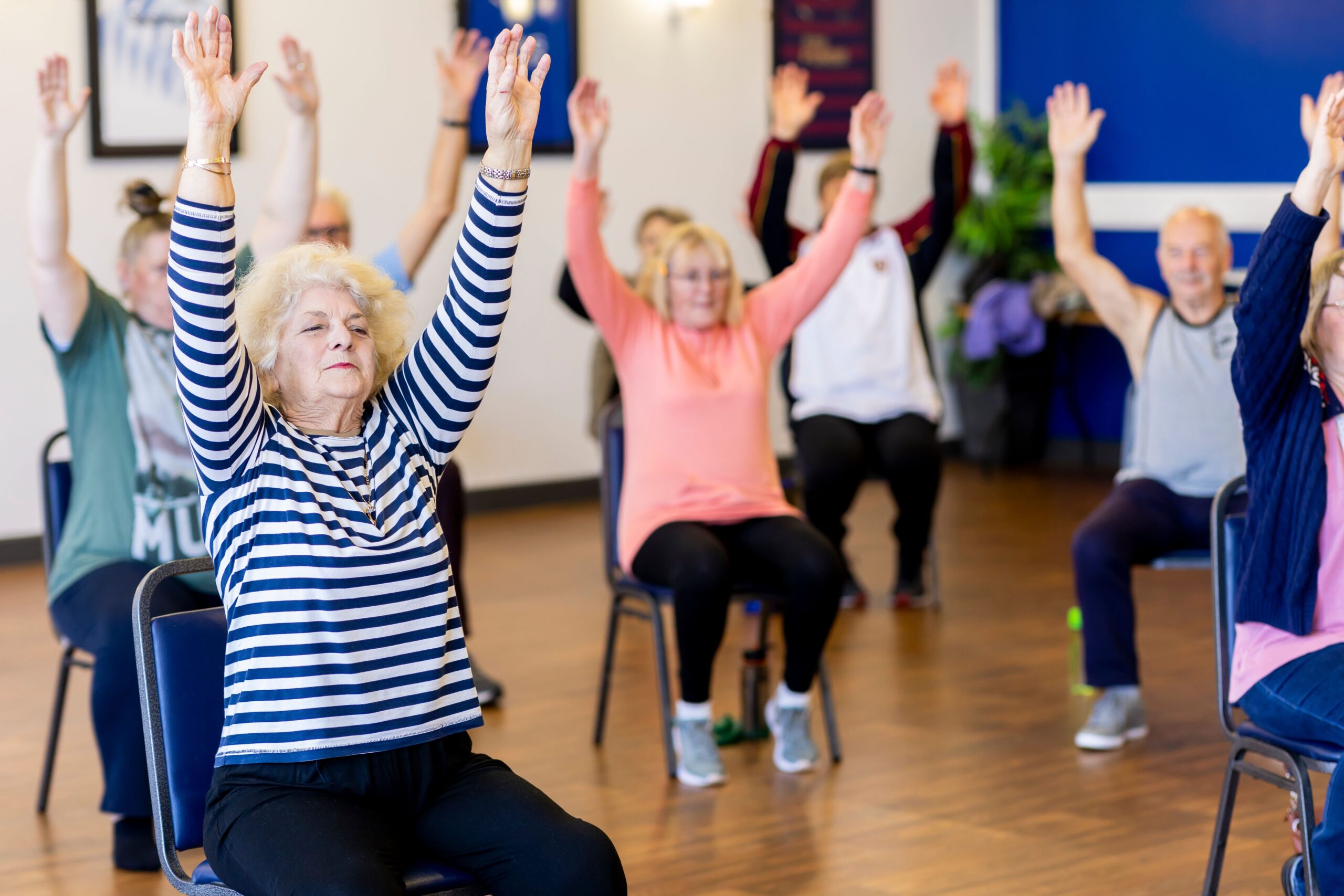
Then there’s EXERT, which compared more intense cardio with stretching and balance work in older adults with mild cognitive impairment—thinking difficulties beyond expected aging. Neither approach clearly outperformed the other on cognition.
So the result doesn’t tell us that exercise is pointless. It tells us that “harder workout, better memory” wasn’t demonstrated in that comparison. Both groups were exercising, which matters when we interpret the result.
When you hear “good for the brain,” which benefit are you picturing: sharper thinking today, easier daily tasks, or less dementia years from now?
Why do researchers disagree?
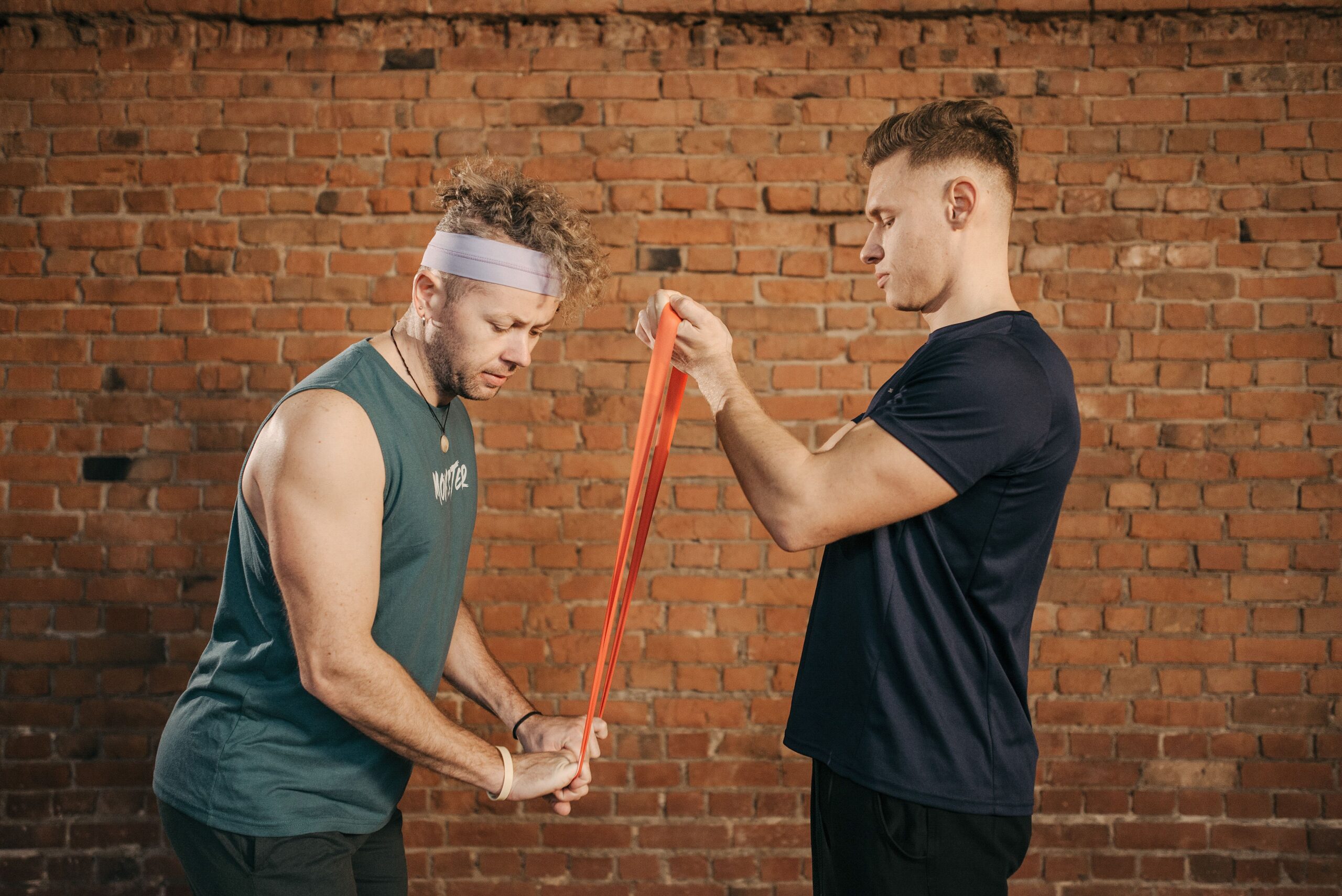
Often they’re asking different questions. A short study can detect a change on a memory test; dementia prevention takes much longer to assess. Healthy adults, people with early thinking difficulties and people with dementia also start from different places.
The comparison matters too. Beating a group that does little isn’t the same as beating a group that does stretching, balance exercises and regular supervised activity.
Programs combining exercise with diet, social contact and health monitoring make the picture more complicated. US POINTER found a small advantage for a structured program, but couldn’t isolate exercise as the cause. Its Alzheimer’s Association funding and investigator relationships are disclosed in the evidence below.
We can keep these pieces straight without making the reader referee every trial. The central distinction is the outcome: test performance, daily function and dementia are related, but different.
What would count as a meaningful benefit to you if a study found better scores but couldn’t yet show easier everyday life?
What’s Interesting
EXERT gives us a less tidy—and more useful—story than a winner’s podium. The more intense workout didn’t beat the gentler active program. Researchers still have to separate exercise itself from supervision, social contact and repeated testing. The answer may involve the setting as well as the workout.
What This Means in Practice
The US Physical Activity Guidelines include aerobic activity and strength work for broad health benefits. They aren’t a validated dementia-prevention recipe. A clinician or physical therapist can help interpret that guidance around joint, balance or medical concerns.
For living longer and better, muscle and function and cardiovascular fitness have their own evidence. Uncertainty about one brain outcome doesn’t erase those separate benefits.
Persistent memory changes still need evaluation; a workout cannot explain their cause. Our memory guide describes what deserves follow-up.
Bottom Line
Exercise research supports some thinking-test benefits and a long-term association with lower dementia risk. It hasn’t established that exercise alone prevents dementia. A discussion with a clinician or physical therapist can distinguish the general health guidance from unproven dementia-prevention claims and identify adaptations for someone’s abilities.
A NOTE FROM LONGEVITY365
We read research, consult expert perspectives and work to make complicated health information easier to understand. What you’re reading here reflects how we’ve interpreted and organized that information. It is educational content—not personal medical advice, diagnosis or treatment guidance.
We’re not perfect, and neither is the available research. Evidence changes, new studies emerge and what’s appropriate for one person may not be appropriate for another.
Use this article as a starting point for your own research and conversations with qualified professionals. Always talk with your doctor or another trusted healthcare professional before making decisions that could affect your health, particularly if you take medications, are receiving treatment, have existing health conditions, are pregnant or have other circumstances that could affect what’s appropriate for you.
Reader Questions
A few questions to carry into the comments or your next conversation. Please leave out identifying or personal medical details.
- 01Which outcome matters most in how you interpret exercise research: thinking skills, physical function or disease risk?
- 02What would you want to know before treating a workout as a brain-health promise?
Extra Insights & Sources
The evidence summaries and linked sources behind this article.
What We Know
- Physically active people develop dementia less often in long cohort studies. Supported (observational).
- Exercise improves several cognitive-test domains in broad trial syntheses of older adults. Supported (clinical importance and optimal program uncertain).
- Aerobic exercise alone didn’t improve cognition in healthy older adults in short trials. Supported (Cochrane).
- In people with mild cognitive impairment, high-intensity aerobic exercise wasn’t better than stretching and balance work. Supported (one RCT).
What We Don’t Know
- Whether exercise alone prevents or delays dementia. Unknown.
- Which type, dose and duration matter most for the brain. Uncertain.
- Whether the stable cognition in both EXERT groups reflects the exercise, the supervision or something else. Unknown.
Detailed results
A relative risk or risk ratio compares the likelihood of an outcome between groups: 1 means no difference, and 0.80 means 20% lower relative risk, not 20 percentage points lower. A confidence interval shows the uncertainty around an estimate. A standardized mean difference expresses a test-score difference on a common scale across different tests; it is not a percentage improvement.
- In the 2022 cohort meta-analysis, the relative risks comparing higher with lower physical activity were 0.80 (95% confidence interval 0.77–0.84) for all-cause dementia, 0.86 (0.80–0.93) for Alzheimer disease and 0.79 (0.66–0.95) for vascular dementia.
- The 2018 trial meta-analysis reported a standardized mean difference of 0.29 (95% confidence interval 0.17–0.41) across 36 studies.
- The 2024 review of at least 12-month interventions found no clear exercise-only effect on global cognition across nine trials (standardized mean difference 0.05, 95% confidence interval −0.04 to 0.13), incident mild cognitive impairment across four trials (risk ratio 0.98, 95% confidence interval 0.73–1.31), or dementia across four trials (risk ratio 0.61, 95% confidence interval 0.25–1.52). The clinical-outcome evidence was rated very low to low certainty.
- EXERT found no clear difference in how thinking-test scores changed over time between aerobic and stretching/balance groups (regression coefficient −0.078, standard error 0.074; p=0.30). That result did not distinguish the groups clearly from chance variation. Supervised-session attendance was 81% and 87%, respectively.
- US POINTER’s between-group difference in global-cognition change was small. Both intervention groups improved, and the absence of a no-intervention control leaves practice effects and general trial participation as possible explanations for some within-group change. Repeated exposure to a test can improve scores through familiarity, which is a practice effect.
Source Materials
- Iso-Markku et al., 2022 — physical activity and dementia incidence. Meta-analysis of prospective cohorts; all-cause dementia analysis included 257,983 participants and found about 20% lower risk among more active people, including studies with at least 20 years of follow-up. Activity was self-reported in many cohorts, studies with favorable results may have been more likely to be published, and long follow-up reduces but does not eliminate health-related behavior change or differences between active and inactive people that could influence dementia risk.
- Northey et al., 2018 — exercise and cognition after age 50. Meta-analysis of 36 randomized trials found a small average cognitive effect and favorable findings across several exercise types. Considerable variation in populations, controls, tests and programs means its session-duration pattern should not be treated as a validated dose prescription.
- Hernández-Gamboa et al., 2026 — exercise-only and exercise-plus interventions. Systematic review published September 21, 2026 included 227 randomized studies of adults over 60 without dementia and reported exercise-only improvements in planning and managing tasks (executive function), memory and speed of handling information (processing speed). The abstract does not give effect sizes or minimal clinically important differences; diversity across 227 trials limits a single prescription. Authors declared no competing interests.
- Erickson et al., 2011 — aerobic exercise and hippocampal volume. One-year randomized trial of 120 adults ages 55–80 found about 2% growth in the front part of the hippocampus, a brain structure involved in memory, with walking versus decline with stretching/toning, with correlated memory change. Imaging and cognitive-test outcomes do not establish dementia prevention.
- Young et al., 2015 — Cochrane aerobic-exercise review. Twelve trials and 754 cognitively healthy older adults found no clear cognitive benefit even when fitness improved. Trials lasted only 8–26 weeks and had moderate or high risk of bias in at least some domains, so the null result does not settle long-term effects.
- Reparaz-Escudero et al., 2024 — interventions lasting at least 12 months. Sixteen randomized trials with 11,402 community-dwelling older adults without dementia found no clear exercise-only effect on global cognition, mild cognitive impairment or dementia; multidomain interventions had a small cognitive benefit. Few clinical events and low or very-low certainty leave dementia prevention unresolved.
- Baker et al., 2025 — EXERT randomized trial. Phase 3 trial of 296 sedentary older adults with mild cognitive impairment that mainly affected memory compared 18 months of higher-intensity aerobic training with stretching/balance/range-of-motion work; cognition did not differ and both groups were stable at 12 months. The active control, selected volunteers and supervised setting limit inference about exercise versus no exercise.
- Shadyab et al., 2025 — EXERT external-control comparison. Compared EXERT participants with matched observational usual-care participants and found less 12-month decline in both exercise groups. Treatment was not randomized against the external control, so selection, measurement and participation differences can explain the association.
- Baker et al., 2025 — US POINTER. Two-year randomized trial of 2,111 at-risk adults ages 60–79 found slightly greater global-cognition improvement with a structured multidomain program than a self-guided one. Both groups received interventions, multiple domains changed together, and cognition—not dementia incidence—was the outcome; the Alzheimer’s Association funded the trial and its full-text disclosure section reports investigator relationships. Mark Espeland reported personal fees from Annovis Bio, Acumen Pharma and Nestlé; Miia Kivipelto reported advisory-board roles for Combinostics, Eisai, Eli Lilly and Nestlé. The funder’s employees Heather Snyder and Maria Carrillo participated in study design, conduct, data work and publication decisions. The US Highbush Blueberry Council provided monthly rebates to structured-program participants.
- US Department of Health and Human Services — Physical Activity Guidelines for Americans, second edition. Current federal activity targets for general health, not a dementia-prevention prescription. Individual ability, disability and medical conditions may require adaptation.
Photo credits
Images from Pexels.
- featured: Photo by Duc Tinh Ngo — original Pexels photo.
- inline-1: Photo by Pavel Danilyuk — original Pexels photo.
- inline-2: Photo by Centre for Ageing Better — original Pexels photo.
Leave a Reply