
Exercise
Osteoarthritis and Exercise
Exercise is a core treatment for knee and hip osteoarthritis. It can ease pain and improve function without evidence of general cartilage harm.
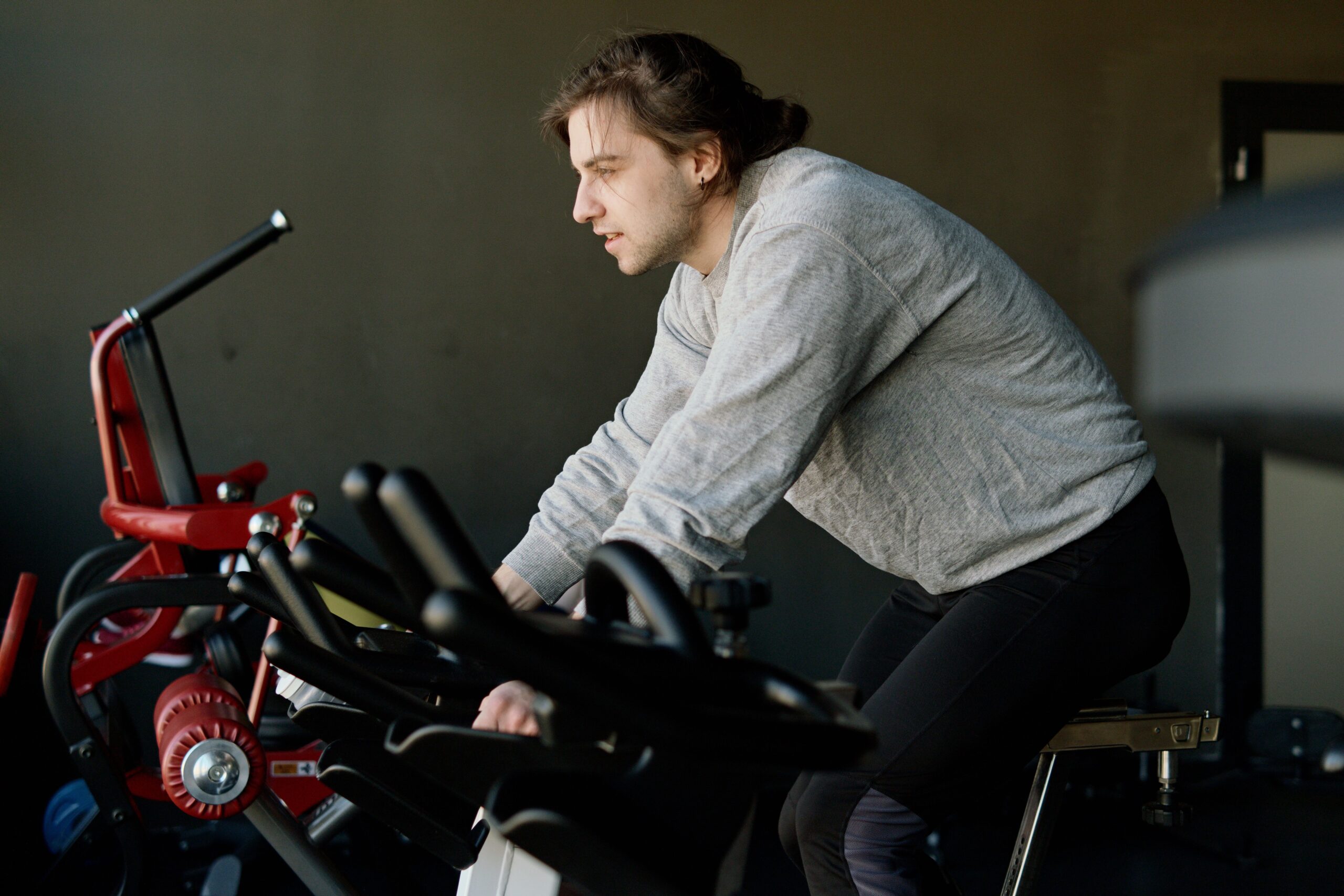
When a knee or hip aches, resting it can feel safer than asking it to do more. Humanic Blue follows the evidence on exercise and osteoarthritis, a joint condition that can cause pain and difficulty moving, including why movement can help without eliminating the condition. The average benefit varies.
The American College of Rheumatology’s 2026 update strongly recommends exercise for knee and hip osteoarthritis; hand exercise receives a conditional recommendation because the evidence is less certain and the decision depends more on individual circumstances. A 2024 Cochrane review found modest average improvements in knee pain and physical function, and a 2025 clinical review found no evidence from the systematic reviews it assessed that therapeutic exercise generally damages knee cartilage, the smooth tissue covering the ends of bones in a joint. For living longer and better, the demonstrated outcomes here are pain, mobility and daily function—not proof that an arthritis exercise program extends life.
Key Takeaways
- The American College of Rheumatology (ACR) strongly recommends exercise for knee and hip osteoarthritis; its hand-exercise recommendation is conditional.
- Exercise on land modestly improves pain and function in knee osteoarthritis on average. Cochrane rated the evidence low to moderate certainty.
- The systematic reviews assessed in a 2025 clinical review did not show that therapeutic exercise damages knee cartilage. That does not establish safety for every activity or person.
- Recreational running was associated with less hip and knee osteoarthritis than sedentary control status. That association does not establish cause and effect.
- A 2025 network meta-analysis ranked aerobic exercise highest for knee osteoarthritis, but a 2026 guideline found the evidence insufficient to prefer one structured program or delivery method across hip and knee osteoarthritis.
- Whether exercise for osteoarthritis extends lifespan hasn’t been studied.
Fear 1: Will exercise wear out my joint?
A 2025 clinical review in the Journal of Orthopaedic & Sports Physical Therapy assessed systematic reviews of imaging and biomarker research in people with or at risk of knee osteoarthritis. The evidence it summarized did not indicate that therapeutic exercise generally damaged cartilage structure or quality. That conclusion applies to the exercise therapy studied; it does not mean every movement, training load or painful episode is harmless for every person.

Fear 2: Does running cause arthritis?
In a 2017 systematic review and meta-analysis, the authors combined 17 studies. Hip or knee osteoarthritis occurred less often among recreational runners than among sedentary comparison groups or competitive runners. These differences in how many people had osteoarthritis do not prove that recreational running protects joints or that competitive running causes osteoarthritis. Prior injuries, training exposure and the tendency of people with healthier joints to keep running could influence the result.
What would help separate running itself from injury and other differences between study groups?
Fear 3: Will it really help?
The 2024 Cochrane review assessed 139 randomized trials in adults with knee osteoarthritis. Land-based exercise improved pain and daily function on average immediately after treatment, compared with no treatment, usual care or limited education. Quality-of-life gains were smaller.
The average changes were near or below the review’s thresholds for a difference that patients would find important, and statistical uncertainty meant the reviewers could not be sure how noticeable the benefit would be. Benefits were smaller against comparison programs that supplied attention or a placebo treatment. Participants usually knew whether they were exercising, which could influence symptom reports.
Safety reporting was limited. In some comparisons exercise may have increased adverse events; sparse, low-certainty evidence does not establish an absence of harm. Exact score changes and comparison details are below.
A newer 2025 network meta-analysis combined 217 randomized trials in people with knee osteoarthritis. Aerobic exercise had the highest probability of ranking best across pain, function, walking and quality-of-life outcomes, with several short- and mid-term comparisons supported by moderate-certainty evidence. But three quarters of assessed comparisons raised some risk-of-bias concerns, 21% were at high risk, and only 40 trials reported safety outcomes. A network review can compare treatments indirectly through a shared comparator even when they were not tested against each other. That makes a ranking less straightforward than a direct contest between programs.
How do symptom improvements, adverse events and joint structure answer different exercise questions?
What do guidelines recommend for osteoarthritis?
The 2026 American College of Rheumatology update makes a strong recommendation, based on moderate-certainty evidence, for exercise in knee and hip osteoarthritis. It conditionally recommends hand exercise, tai chi for knee and hip osteoarthritis, and yoga for knee osteoarthritis. It also strongly recommends weight loss for people with knee or hip osteoarthritis who meet criteria for overweight or obesity. The update says care should be personalized around symptoms, other health conditions, treatment risks, access and the person’s preferences.
The 2026 Department of Veterans Affairs and Department of Defense (VA/DoD) guideline suggests structured physical therapy for hip and knee osteoarthritis. It also concludes that the evidence is insufficient to recommend one type of structured exercise—or one delivery method, such as in person, at home or by telehealth—over another. That broader clinical conclusion tempers the knee-only network ranking above.
What does exercise for osteoarthritis look like?
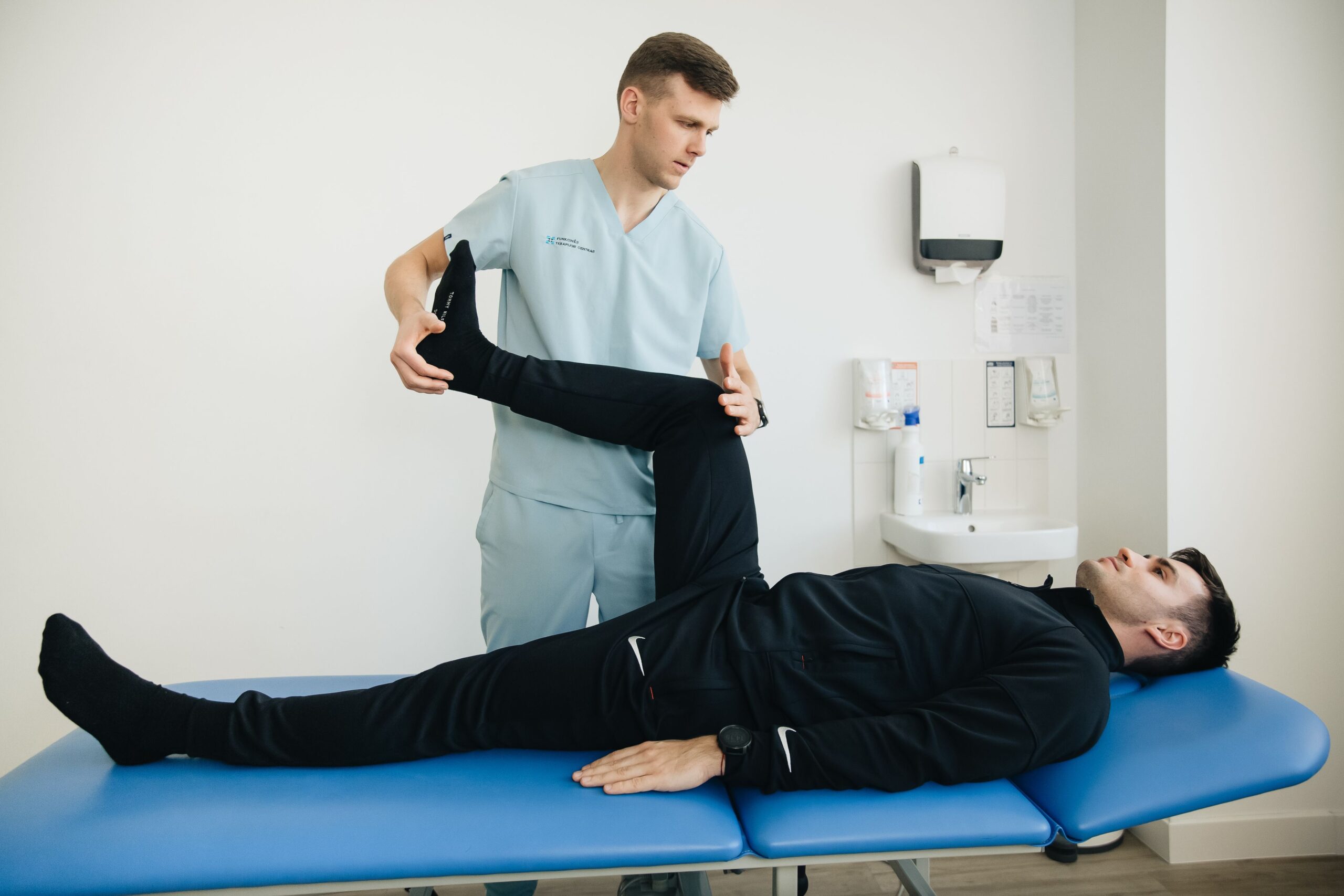
Studied programs include aerobic activity that raises breathing and heart rate, strengthening, flexibility work, mind-body approaches such as tai chi, movement-control training and combinations of these. The evidence does not supply one universal routine or training amount. The ACR places program decisions within individualized care, accounting for the affected joint, current function, other health conditions and preferences. The ACR says physical-therapy referral is appropriate when pain, fatigue or functional limits interfere with exercise or daily life. Strength training principles are covered in Build Muscle After 60, and balance work in Improve Balance After 60.
What’s Interesting
The cartilage evidence and the clinical guidance point in the same direction without saying the same thing. The cartilage review addresses the fear of structural damage; the guidelines address treatment decisions. Neither says to ignore symptoms. The ACR places exercise within care adapted to symptoms and health. That is different from assuming every force placed on a joint is damaging—or that every activity is harmless.
What This Means in Practice
For living longer and better with osteoarthritis, the evidence here concerns pain and daily function, rather than added years of life. The ACR strongly recommends exercise for knee and hip osteoarthritis, while the VA/DoD guideline supports structured physical therapy without selecting one universally preferred exercise type.
Those recommendations leave concrete questions for a care discussion: which movements suit the affected joint, how much activity is tolerable now, how progression will be judged, and which symptoms would prompt reassessment. The ACR specifically calls for physical-therapy referral when pain, fatigue or functional limits interfere with exercise or daily life. Its weight-loss recommendation applies to people with knee or hip osteoarthritis who meet criteria for overweight or obesity.
A primary care clinician, rheumatologist or physical therapist can assess your joints and plan exercise. An orthopedic surgeon can advise if symptoms persist despite treatment.
Bottom Line
Exercise is strongly recommended for knee and hip osteoarthritis, while hand exercise is conditionally recommended. Across knee trials, land-based exercise improved pain and function modestly on average, and the systematic reviews assessed in a 2025 clinical review did not show damage to knee cartilage from therapeutic exercise. The VA/DoD guideline finds insufficient evidence to prefer one structured program, and the ACR places treatment decisions within care tailored to symptoms, health, access and preferences. Whether osteoarthritis exercise affects lifespan has not been studied.
A NOTE FROM LONGEVITY365
We read research, consult expert perspectives and work to make complicated health information easier to understand. What you’re reading here reflects how we’ve interpreted and organized that information. It is educational content—not personal medical advice, diagnosis or treatment guidance.
We’re not perfect, and neither is the available research. Evidence changes, new studies emerge and what’s appropriate for one person may not be appropriate for another.
Use this article as a starting point for your own research and conversations with qualified professionals. Always talk with your doctor or another trusted healthcare professional before making decisions that could affect your health, particularly if you take medications, are receiving treatment, have existing health conditions, are pregnant or have other circumstances that could affect what’s appropriate for you.
Reader Questions
A few questions to carry into the comments or your next conversation. Please leave out identifying or personal medical details.
- 01Which part of bone, joint, or fall prevention feels most actionable without becoming overwhelming?
- 02What would you want clarified before changing exercise, testing, or supplements around this topic?
- 03What question would help a clinician or physical therapist connect the evidence to day-to-day function?
Extra Insights & Sources
The evidence summaries and linked sources behind this article.
What We Know
- Exercise is strongly recommended for knee and hip osteoarthritis; hand exercise is conditionally recommended. Established (ACR 2026).
- Land-based exercise modestly improves knee pain and function on average. Supported (Cochrane; low-to-moderate certainty).
- The reviews assessed in a 2025 clinical review did not show knee-cartilage harm from therapeutic exercise. Supported within the studied settings.
- Recreational running was associated with lower hip or knee osteoarthritis prevalence than sedentary status. Supported as association only.
What We Don’t Know
- The best type, dose and delivery method for each person and joint. Uncertain.
- Whether exercise slows structural progression of osteoarthritis. Uncertain.
- Whether exercise for osteoarthritis affects lifespan. Unknown.
Understanding the symptom scores
The Cochrane review expressed differences between groups on 0–100 scales, so a 13-point improvement is a difference in symptom or function scores—not 13% of people being cured. Immediately after treatment, exercise versus no treatment, usual care or limited education improved pain by 13.1 points (low certainty), function by 12.5 points (moderate certainty) and quality of life by 5.4 points. The review used thresholds of 12, 13 and 15 points respectively for a difference considered important to patients. Uncertainty around the estimates meant clinical importance remained unclear. Against placebo or attention-control programs, average pain and function differences were smaller: 8.7 and 11.3 points.
Adverse-event reporting varied. Compared with no treatment, usual care or limited education, low-certainty evidence suggested events may increase; the review could not establish the exact safety effect for every program. The comparison group and completeness of reporting matter when interpreting any safety estimate.
Source Materials
- American College of Rheumatology — 2026 osteoarthritis guideline page and recommendation summary — Current US specialty-society update for knee, hip and hand osteoarthritis. The linked page provides the dated four-page summary supporting the recommendation strength and certainty for exercise, weight loss, tai chi, yoga and hand exercise; the physical-therapy referral criteria; and individualized shared decision-making. The posted document is a recommendation summary rather than the full evidence report.
- VA/DoD — Clinical Practice Guideline for the Non-Surgical Management of Hip and Knee Osteoarthritis — May 2026 evidence-based guideline. Supports structured physical therapy and the conclusion that evidence is insufficient to prefer a specific exercise type or delivery mode. The guideline serves military and veteran health systems, and the relevant recommendation covers hip and knee—not hand—osteoarthritis.
- Lawford et al. — Exercise for osteoarthritis of the knee — 2024 Cochrane review of 139 randomized trials and 12,468 adults, with programs lasting two to 104 weeks. Supports the pain, function, quality-of-life, comparator and adverse-event findings. Many trials had risk of bias, benefits were smaller against attention/placebo controls, and certainty ranged from low to moderate for the main comparisons.
- Yan et al. — Comparative efficacy and safety of exercise modalities in knee osteoarthritis — 2025 network meta-analysis of 217 randomized trials and 15,684 participants, searched through August 2024. Supports the aerobic-exercise ranking and short- to mid-term outcome summary. Most comparisons had some concern or high risk of bias, rankings relied partly on indirect comparisons, and only 40 trials reported safety outcomes.
- Esculier et al. — Does exercise therapy harm knee cartilage? — 2025 clinical review of systematic reviews concerning people with or at risk of knee osteoarthritis. Supports the bounded conclusion that studied exercise therapy did not appear to damage cartilage structure or quality. It synthesizes prior reviews and does not establish that every activity or load is safe for every individual.
- Alentorn-Geli et al. — Recreational and competitive running with hip and knee osteoarthritis — 2017 systematic review; 17 studies and 114,829 people contributed to the meta-analysis. Hip or knee osteoarthritis was present in 3.5% of recreational runners, 10.2% of sedentary comparison participants and 13.3% of competitive runners. The included evidence was observational, and the authors could not determine whether the associations were causal or confounded by factors such as prior injury.
Photo credits
Images from Pexels.
- featured: Photo by Ivan S — original Pexels photo.
- inline-1: Photo by Funkcinės Terapijos Centras — original Pexels photo.
- inline-2: Photo by Ketut Subiyanto — original Pexels photo.
Leave a Reply