
Sleep
Why Do I Wake Up at 3 AM Every Night?
Waking at 3 AM can come from normal sleep cycles, alcohol, menopause, pain, medicines, apnea or insomnia. The clock time alone can't identify the cause.
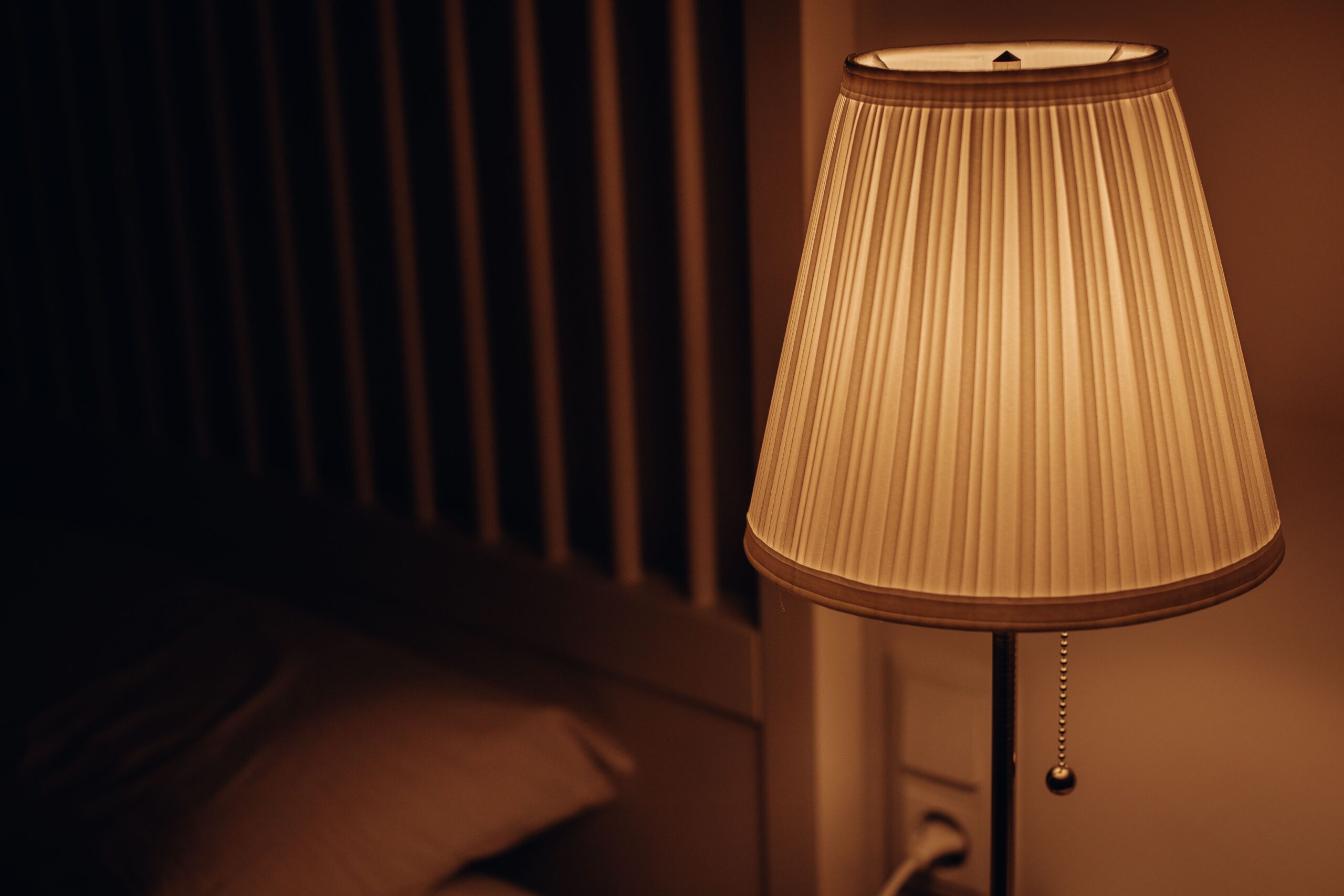
The bedside clock reads 3:03 again, the house is silent and sleep isn’t coming back. Humanic Blue starts with a steadying point for anyone asking “why do I wake up at 3 AM every night”: nothing in the National Institutes of Health’s sleep science marks 3 AM as a special hour. Everyone moves through several sleep cycles a night, with deep sleep bunched into the first half, so a wake-up in the lighter second half is easier to notice. When it keeps happening, stress, a learned habit, alcohol, pain, hot flashes, needing to urinate, a medicine, sleep apnea or chronic insomnia can all be involved.
What happens around the awakening says more than the time on the clock. For living longer and better, the useful questions are whether you fall back asleep, whether anyone has noticed snoring or gasping, and how the next day goes. This guide walks through each clue, what sleep specialists suggest doing in the moment, and when to bring it to a clinician.
In This Article
- Why 3 AM is a time stamp, not a diagnosis
- The clues that point toward a cause
- Alcohol, sleep apnea, menopause and medicines as causes
- When a wake-up becomes insomnia, and why CBT-I comes first
- What to do while you’re awake
- What a sleep tracker can and can’t tell you
- The studies and guidelines behind all of this
Key Takeaways
- The exact time usually says less than the pattern, the symptoms around the awakening and how you feel the next day.
- Alcohol, menopause symptoms, pain, bladder symptoms, medicines, sleep apnea and insomnia can all contribute to repeated waking, according to US health agencies and medical societies.
- For chronic insomnia, the American College of Physicians and the European Insomnia Guideline put cognitive behavioral therapy for insomnia (CBT-I) first, ahead of sleep-hygiene tips alone or sleeping pills.
- A consumer sleep tracker can show patterns, but it isn’t a diagnostic sleep study.
- No study shows that stopping a 3 AM wake-up helps anyone live longer.
Why does 3 AM keep showing up on the clock?
The National Institute of Neurological Disorders and Stroke (NINDS) describes a night as several cycles of rapid eye movement (REM) sleep and non-REM sleep. Deep sleep comes in longer stretches in the first half of the night, and REM periods grow longer later on. That lighter, later stretch is when a wake-up is easier to notice.
Why would the same time repeat night after night? The European Insomnia Guideline, written by a European Sleep Research Society task force, describes a learned association that many people with insomnia develop between the bed and being awake, a kind of conditioning that works against sleep. Its behavioral model also describes how ways of coping with poor sleep, such as spending extra time in bed, can help keep insomnia going. The first interruption can be ordinary: the National Heart, Lung, and Blood Institute (NHLBI) lists waking up often to care for a baby among the sleep interruptions that raise the risk of insomnia.
Checking the clock can feed that loop. The NHLBI says that worrying about whether you’ll get enough sleep and watching the clock “can also raise your risk of insomnia or make it worse.” How the night is built
Age shifts the timing, too. The National Institute on Aging (NIA) says older adults tend to go to bed and wake up earlier, and their sleep tends to be shorter, lighter and more often interrupted. That’s common. The NIA also says that someone who is always sleepy or finds it hard to get enough sleep may want to talk with a doctor.
What about cortisol?
Online explanations often blame a cortisol spike. Cortisol does follow a daily rhythm: MedlinePlus, from the National Library of Medicine, says levels are normally highest in the morning and much lower by around 4 p.m. But a 3 AM wake-up isn’t a home cortisol test. The Endocrine Society says no scientific proof supports “adrenal fatigue” as a true medical condition, and warns that the label can delay finding the real cause, which might be sleep apnea, depression or adrenal insufficiency.
Start with what woke you
Each clue below points toward possible contributors, drawn from the NIA, the NHLBI, the American College of Obstetricians and Gynecologists and the NHS. It’s a map for a conversation with a clinician, not a self-diagnosis:
- Racing thoughts and clock-checking: stress, a conditioned pattern or insomnia. Worth noting how long you stay awake and how the next day goes.
- Snoring, gasping, dry mouth or headaches: possible sleep apnea. A bed partner’s observations and daytime sleepiness matter.
- Waking to urinate, again and again: evening fluids, medicine timing, bladder problems or sleep apnea. Worth noting whether the urge woke you or showed up after you were already awake.
- Sweating or sudden heat: hot flashes during perimenopause or menopause. Note the timing, how often and any other menopause symptoms.
- Burning, coughing or aching: reflux, pain or another medical symptom. Note any link to food, sleeping position or treatment.
- Leg discomfort that eases when you move: possible restless legs syndrome. Note the evening pattern and any medicine or iron history.
- Easy sleep after a drink, then waking later: alcohol breaking up the second half of the night. Compare nights with and without alcohol.
- A change after a new medicine or dose: a side effect or timing issue. Note the start date, dose and time taken.
Several of these can overlap. Pain can cause the first wake-up, and then checking the time and worrying about tomorrow can keep it going.
Alcohol can help with the wrong half of sleep
Alcohol is sedating, which makes it easy to mistake for a sleep aid. Researchers at the London Sleep Centre reviewed every study they could find on alcohol and sleep in healthy volunteers. At all doses, they reported, alcohol helped people fall asleep faster and made the first half of the night more settled, then increased disruption in the second half (Ebrahim and colleagues, 2013).
A 2026 narrative review by Jean-Philippe Chaput of the University of Ottawa, covering research from 2015 through 2025, points the same way: more fragmented sleep and impaired breathing, particularly in the second half of the night (Nutrients, 2026). He concluded that alcohol, including wine, should not be considered a sleep aid. Depending on bedtime and when the drink happened, that second half can include 3 AM. The alcohol studies
That doesn’t mean alcohol is the cause on any particular night. A sleep diary comparing similar evenings with and without a drink gives a clearer answer than assuming one glass is harmless because it made falling asleep easier.
What does separating the first and second halves of a night add to a sleep study?
Can sleep apnea wake you without loud snoring?
The NHLBI lists breathing that starts and stops, gasping for air and frequent loud snoring as nighttime signs of sleep apnea. Daytime sleepiness, dry mouth, headache, insomnia and waking often to urinate can also occur. Fatigue, headache and insomnia are more common in women, NHLBI notes.
Someone who sleeps alone may not know their breathing changes. NHLBI’s advice is to talk to a healthcare provider about symptoms, because a sleep study may be needed. The NIA says a doctor may suggest a polysomnogram, an overnight test at a sleep center that records brain activity, eye movements and muscle activity, among other things.
This one matters for the long run. The NIA warns that undiagnosed or untreated sleep apnea can lead to serious health problems, including heart attack.
Menopause, pain and the bladder can share the same clock
The American College of Obstetricians and Gynecologists (ACOG) says hot flashes during perimenopause and menopause can make it hard to sleep. Trouble staying asleep, waking often during the night and getting up too early are among the sleep problems women report during menopause. ACOG adds that women may be more likely to have mood disorders, sleep apnea and chronic medical conditions as they age, all of which can affect sleep.
Pain, reflux and urinary symptoms can interrupt sleep at any hour. The NIA lists illness, medications, mental health and pain among the factors that make a good night’s sleep harder for older adults. And because waking to urinate can itself be a sign of sleep apnea, according to NHLBI, “my bladder woke me” isn’t always the end of the story.
Useful details to track: whether discomfort starts before you wake, whether a position changes it, whether night sweats happen and whether the problem began alongside another symptom.
Medication timing belongs in the sleep diary
Prescription medicines, over-the-counter products and supplements can all affect sleep. The NIA notes that older adults often have several medical conditions and take many medicines, which raises the risk of side effects. It recommends keeping an up-to-date list of every medicine and supplement, with the amount and time taken, and showing it to all your health care providers (NIA medication guidance).
Write down when a medicine or dose changed and when you take each one. A pharmacist or prescriber can judge whether the timing lines up with the awakenings. The NIA’s advice is not to stop a medicine because of side effects before talking with a health care provider.
Sleep-inducing products carry their own cautions. The NIA warns that mixing a sleep medicine (a sedative) with an allergy medicine (an antihistamine) can slow reactions, and its alcohol guidance says alcohol used with some sleeping pills, pain pills or anxiety medicines “can be deadly.” Available without a prescription doesn’t mean free of interaction risk.
When the wake-up becomes insomnia
The NIA describes insomnia as trouble falling or staying asleep at least three nights a week. Chronic insomnia lasts more than three months and can’t be fully explained by another medical cause. Daytime effects are part of what turns an awakening into a clinical problem.
The American College of Physicians (ACP) recommended in 2016 that CBT-I be the first-line treatment for adults with chronic insomnia. The 2023 European Insomnia Guideline gives the same advice its top evidence grade, for adults of any age, in person or digitally, and says CBT-I is usually delivered over four to eight sessions. The NHLBI describes it as a 6- to 8-week treatment plan. The European guideline also says sleep hygiene on its own isn’t an evidence-based treatment for insomnia.
A 2025 guideline from the US Departments of Veterans Affairs and Defense (VA/DoD) takes the same line on sleep-hygiene tips: “we suggest against sleep hygiene education as a stand-alone treatment.”
The American Academy of Sleep Medicine (AASM) published a guideline in April 2026 on adding sleeping pills to CBT-I. It suggests CBT-I alone over the combination, a conditional recommendation based on low-certainty evidence. Its lead author, Daniel Buysse, a professor of psychiatry at the University of Pittsburgh who discloses consulting for several pharmaceutical and sleep-technology companies (Note 3), said in the AASM’s announcement that the analysis points to CBT-I by itself as the most effective starting treatment, while medication added to CBT-I may give a modest benefit for some outcomes, such as total sleep time.
CBT-I is more than a list of bedtime habits. It combines work on thoughts about sleep with behavioral strategies such as using the bed in ways that rebuild its association with sleep, and carefully limiting time in bed. In a 2022 review of 14 studies in older adults by researchers at Jilin University in China, people who had CBT-I spent roughly 23 fewer minutes awake during the night than comparison groups, by their sleep diaries, and fell asleep about 9 minutes faster, though results varied a lot between studies (Huang and colleagues). The guideline and trial details
Sleep restriction, one CBT-I component, has limits. The European Insomnia Guideline says it comes with more tiredness and sleepiness, and reduced alertness in the first weeks, so suitability and sleepiness, including its effect on driving, should be checked during treatment. It lists epilepsy and other conditions that sleep loss could worsen as reasons the approach may be unsuitable. The guideline also cites a trial that found no evidence that nurse-delivered sleep restriction raised serious adverse events, falls or driving incidents compared with sleep hygiene advice. Sleep restriction isn’t the same as simply sleeping less.
What can you do during an awakening?
Stimulus control, one part of CBT-I, is built for this moment. The NHLBI describes it as going to bed only when sleepy, getting out of bed if you can’t sleep and using the bed only for sleep and sex, so that being in bed is linked with being asleep. The US Department of Veterans Affairs’ online CBT-I course puts a number on it: get out of bed if you can’t fall asleep within 20 minutes, and do something low-key, such as light stretching or folding laundry. Judge the 20 minutes roughly rather than by the clock, given the NHLBI’s point about clock-watching.
Safety comes first. The European Insomnia Guideline says stimulus control and sleep restriction call for care, including a check of whether they suit the person and adaptations where needed. The NIA suggests a lamp that’s easy to reach, a nightlight in the hallway or bathroom, and clearing rugs and cords you could trip over at night.
The next morning, jot down roughly when you woke, without grading the night. The NIA suggests keeping a sleep diary for a couple of weeks: bedtime, wake-ups, final waking time, caffeine, alcohol and exercise. Adding medicines, naps, symptoms and daytime sleepiness helps, too. A pattern is more useful than one dramatic night.
The tracker can see a pattern, not the cause
A wrist tracker can make a 3 AM wake-up look very official. A 2026 review combining studies, by researchers at the Polytechnic University of Coimbra in Portugal, compared wearables with lab sleep studies in healthy adults. The devices overestimated total sleep and underestimated time awake after falling asleep, and no device performed best across the board (Agostinho and colleagues). The authors concluded that wearables can help with long-term self-tracking but aren’t ready to stand alone as diagnostic tools.
The European Insomnia Guideline goes further for people who already have insomnia: it says sleep trackers should generally be discouraged for them until their accuracy has been validated against lab sleep studies. A tracker may show that awakenings cluster after alcohol or a schedule change. It can’t tell you whether cortisol, apnea, menopause or anxiety caused them. The tracker numbers
What remains unknown when a device records an awakening but not its cause?
What’s Interesting
A repeated wake-up can turn into two things at once: an event, and an expectation. The original trigger, whether a crying baby, a hot flash or a late drink, can pick up company in the form of clock-checking and a dread of 3 AM, and the NHLBI counts that kind of worry and clock-watching among the things that make insomnia worse. That’s part of why CBT-I targets the relationship between the bed, being awake and worrying, rather than just adding more sleep tips.
There’s also something a little strange about the search itself. The internet is full of theories about what 3 AM “means,” from cortisol to spiritual messages. None of the health agencies or guidelines cited here treats the hour as a cause of anything. By that framing, the clock is a clue about timing, not about cause.
What This Means in Practice
For living longer and better, the goal is to spot the causes that matter: persistent insomnia, breathing problems during sleep, dangerous daytime sleepiness or another treatable condition. Based on the NIA, NHLBI, ACP and European guidance above:
- Keep a sleep diary for a couple of weeks, unless symptoms need faster attention. Note bedtime, wake-ups, how long you stay awake, alcohol, caffeine, medicines, pain, heat or sweating, bathroom trips, snoring or gasping, and how the next day went.
- Bring the diary and a full medication list to a primary care clinician. A sleep medicine specialist or a CBT-I provider may be the next step.
- Don’t wait on breathing signs. Breathing pauses, gasping or heavy daytime sleepiness are reasons to talk to a provider about a sleep study, per NHLBI.
- The VA CBT-I course describes leaving bed after about 20 minutes awake and doing something quiet until sleepy. This is part of a treatment approach: the European guideline calls for suitability checks and adaptations, and the NIA emphasizes a safe, lit path for nighttime movement.
- Don’t stop a prescription on your own to test whether it’s the cause.
Every body is different. The guidelines and studies here describe averages across many people, and what fits one person’s age, health and medicines may not fit the next.
For the supplement question that often follows middle-of-the-night waking, Magnesium and Healthy Aging reviews the sleep trials and their limits.
Bottom Line
Waking at 3 AM can come from normal sleep cycles, an earlier body clock, a learned habit, alcohol, symptoms, medicines, sleep apnea or insomnia, and the time alone can’t tell which. A couple of weeks of sleep diary, attention to breathing and next-day function, and a medication review can narrow it down. It’s still unknown whether fixing a single awakening changes lifespan. If the pattern is chronic or affects your days, a primary care clinician or sleep specialist can help, and for chronic insomnia the ACP and the European Insomnia Guideline put CBT-I first rather than a sleeping pill.
A NOTE FROM LONGEVITY365
We read research, consult expert perspectives and work to make complicated health information easier to understand. What you’re reading here reflects how we’ve interpreted and organized that information. It is educational content—not personal medical advice, diagnosis or treatment guidance.
We’re not perfect, and neither is the available research. Evidence changes, new studies emerge and what’s appropriate for one person may not be appropriate for another.
Use this article as a starting point for your own research and conversations with qualified professionals. Always talk with your doctor or another trusted healthcare professional before making decisions that could affect your health, particularly if you take medications, are receiving treatment, have existing health conditions, are pregnant or have other circumstances that could affect what’s appropriate for you.
Reader Questions
A few questions to carry into the comments or your next conversation. Please leave out identifying or personal medical details.
- 01Which clue would you want explained further: the timing of an awakening, the symptom around it, or how you feel the next day?
- 02Which distinction in the article would be most useful to carry into everyday life?
- 03What would you want Humanic Blue to unpack next from this topic?
Extra Insights & Sources
For readers who want the details behind each claim above.
What We Know
- Brief awakenings are common, sleep is lighter later in the night, and sleep tends to become lighter and more interrupted with age. Established. (NINDS; NIA)
- Alcohol can speed sleep onset and settle the first half of the night, then disrupt the second half. Supported (laboratory studies and reviews; Ebrahim 2013).
- Sleep apnea, menopause symptoms, pain, medical conditions and medicines can contribute to repeated waking. Supported (NIA, NHLBI, ACOG).
- CBT-I is the recommended first-line treatment for chronic insomnia. Supported (guidelines; ACP; European Insomnia Guideline).
- Adrenal fatigue is not a recognized medical condition, according to the Endocrine Society. Unsupported (as a diagnosis).
What We Don’t Know
- The cause of any one person’s 3 AM awakening from the time alone. Unknown without context and, sometimes, clinical testing.
- Whether a consumer tracker correctly caught every awakening or sleep stage. Uncertain; accuracy depends on the device, and trackers aren’t diagnostic.
- Whether eliminating a brief nightly awakening changes lifespan. Unknown; no study has tested it.
- Whether adding a sleeping pill to CBT-I helps more than CBT-I alone. Uncertain; the AASM rates the evidence as low certainty.
How the night is built
Sleep cycles. NINDS (page last reviewed February 25, 2025) says people cycle through non-REM and REM sleep several times a night, “with increasingly longer, deeper REM periods occurring later in the sleep session.” Stage 3 non-REM, the deep sleep, “occurs in longer periods during the first half of the night,” and REM first occurs about 90 minutes after falling asleep. The NIA (content reviewed February 6, 2025) says REM and non-REM occur in cycles, usually three to five each night.
Learned waking. The European Insomnia Guideline (Riemann and colleagues, Journal of Sleep Research, first published November 28, 2023) explains that the idea behind stimulus control is that many people with insomnia have learned to link the bed or bedroom with being awake rather than asleep. In good sleepers, the bed is tied to falling asleep quickly; in insomnia that link breaks down and conditioning starts working against sleep. The guideline adds that Spielman’s behavioral model identified extending time in bed as important in keeping insomnia going. The NHLBI’s insomnia causes page (last updated March 24, 2022) lists “waking up often to care for a baby” among lifestyle habits that raise the risk of sleep problems. (Note 4)
Clock watching. The same NHLBI page says: “Worrying about whether you will get enough sleep and watching the clock can also raise your risk of insomnia or make it worse.” The European guideline lists giving up clock-watching among the sleep-hygiene habits reinforced in CBT-I.
Age. The NIA says older adults “tend to go to bed earlier and wake up earlier than younger adults,” and that sleep “tends to be shorter and lighter, and you may wake up more often during the night.”
Cortisol. MedlinePlus’s cortisol test page (last updated December 23, 2024) says blood samples are usually taken twice a day, “once in the morning when cortisol levels are normally at their highest, and again around 4 p.m., when levels are normally much lower.” The Endocrine Society’s adrenal fatigue page (last updated January 25, 2022) says: “No scientific proof exists to support adrenal fatigue as a true medical condition.” It lists adrenal insufficiency, depression and obstructive sleep apnea among conditions the symptoms may actually reflect.
The alcohol studies
Ebrahim and colleagues, 2013. This review in Alcoholism: Clinical and Experimental Research, led by Irshaad Ebrahim of the London Sleep Centre, assessed all known scientific studies of how drinking alcohol affects nighttime sleep in healthy volunteers. It reported that at all doses alcohol shortened the time to fall asleep, made the first half of sleep more consolidated and increased sleep disruption in the second half. It also found delayed onset of the first REM period at all doses and reduced total-night REM at moderate and high doses. (Note 1)
Chaput, 2026. This narrative review in Nutrients prioritized systematic reviews and meta-analyses published 2015 to 2025. It reported that alcohol “disrupts sleep architecture, suppresses rapid eye movement sleep, increases sleep fragmentation, and impairs breathing during sleep, particularly in the second half of the night,” and concluded that “alcohol, including wine, should not be considered a sleep aid.” It also noted evidence that earlier drinking may reduce some effects. (Note 2)
The insomnia guidelines and CBT-I evidence
ACP, 2016. The American College of Physicians guideline (Qaseem and colleagues, Annals of Internal Medicine), announced May 3, 2016, states that CBT-I “should be the first-line treatment for adults with chronic insomnia.” Then-ACP President Wayne J. Riley, MD, said: “Cognitive behavioral therapy for insomnia is an effective treatment and can be initiated in a primary care setting.” If CBT-I alone is unsuccessful, ACP recommends shared decision-making about adding medication.
European Insomnia Guideline, 2023. This update, written for the European Sleep Research Society and the European Insomnia Network, recommends CBT-I as the first-line treatment for chronic insomnia in adults of any age, including people with other health conditions, delivered in person or digitally, at its top evidence grade (A). It says CBT-I components are delivered over four to eight therapy sessions, and that sleep hygiene on its own is not an evidence-based treatment for insomnia. On harms, it says sleep restriction brings increased tiredness and sleepiness, with objectively reduced vigilance in the first weeks, and advises checking suitability at the start and reviewing sleepiness, including its effect on driving, during treatment, with adaptations where needed. It reports that the largest trial of sleep restriction therapy to date, Kyle and colleagues (2023, 642 people), found no evidence that nurse-delivered sleep restriction was linked to serious adverse events, or to more falls or driving incidents than a sleep hygiene control, and it lists any kind of epilepsy and conditions that sleep loss might aggravate as contraindications for treatments that may involve partial sleep deprivation. The VA/DoD guideline (version 3.0, 2025) says, “For treatment of chronic insomnia disorder, we suggest against sleep hygiene education as a stand-alone treatment,” a “Weak against” recommendation. Its work group found “no significant harms except for transient sleepiness that may result from the sleep restriction component of CBT-I.” The NHLBI’s insomnia treatment page (last updated March 24, 2022) calls CBT-I “a 6- to 8-week treatment plan” and describes stimulus control as “going to bed only when you are sleepy, getting out of bed if you cannot sleep, and using your bed only for sleep and sexual activity.” The VA’s online CBT-I course summary says: “Get out of bed if you are unable to fall asleep within 20 minutes.” (Note 4)
AASM, 2026. The AASM’s combination-treatment guideline (Buysse and colleagues, published April 13, 2026) makes two conditional recommendations, both with low certainty of evidence: for CBT-I plus medication over medication alone, and against CBT-I plus medication over CBT-I alone. It adds that patients who place more value on increasing total sleep time early in treatment may reasonably choose the combination. (Note 3)
For the figures below, mean difference (MD) is the average difference between the CBT-I and comparison groups. Sleep efficiency is the share of time in bed spent asleep. A 95% confidence interval (CI) describes uncertainty around the estimated difference.
Huang and colleagues, 2022. This systematic review and meta-analysis in Australasian Psychiatry included 14 studies of CBT-I in older adults. Based on sleep diaries, it found sleep efficiency improved by 8.36 percentage points (MD 8.36; 95% CI 5.96–10.76; I² = 77%), time to fall asleep fell by 9.29 minutes (MD −9.29; 95% CI −13.62 to −4.96; I² = 64%) and wake time after sleep onset fell by 23.44 minutes (MD −23.44; 95% CI −32.41 to −14.47; I² = 85%). Total sleep time was 12.35 minutes lower (MD −12.35; 95% CI −21.27 to −3.42; I² = 63%). The high I² values mean results varied considerably across studies. (Note 5)
The tracker numbers
Agostinho and colleagues (Behavioral Sleep Medicine, published online May 22, 2026) searched five databases for studies of healthy adults wearing a consumer device during a lab sleep study; 16 studies qualified and 10 were pooled. The abstract reports that wearables overestimated total sleep time and sleep efficiency and underestimated wake after sleep onset, with substantial variability between devices, and that no device performed consistently better than the others. The authors concluded that wearables may complement polysomnography for population monitoring and long-term self-tracking, but that variable performance and risk of bias currently limit their use as stand-alone diagnostic tools or for detailed sleep-stage measurement. The European Insomnia Guideline says sleep trackers, which often give inaccurate sleep feedback, need more thorough testing and should generally be discouraged for patients with insomnia until their accuracy against polysomnography has been validated in published studies. (Note 6)
Sources
- National Institute of Neurological Disorders and Stroke: Brain Basics: Understanding Sleep
- National Heart, Lung, and Blood Institute: Insomnia: Causes and Risk Factors and Insomnia: Treatment (both last updated March 24, 2022)
- MedlinePlus (National Library of Medicine): Cortisol Test (last updated December 23, 2024)
- Endocrine Society: Adrenal Fatigue
- National Institute on Aging: Sleep and Older Adults
- National Institute on Aging: Taking Medicines Safely as You Age
- National Institute on Aging: Facts About Aging and Alcohol
- National Heart, Lung, and Blood Institute: Sleep Apnea Symptoms
- American College of Obstetricians and Gynecologists: Sleep Health and Disorders
- Ebrahim IO, et al. Alcohol and sleep I: effects on normal sleep, Alcoholism: Clinical and Experimental Research, 2013: PubMed 23347102
- Chaput JP. Alcohol, wine, and sleep in adults: a narrative review, Nutrients, 2026: PubMed 41754102
- American College of Physicians: ACP Recommends Cognitive Behavioral Therapy as Initial Treatment for Chronic Insomnia (May 3, 2016); Qaseem A, et al., Annals of Internal Medicine, 2016: PubMed 27136449
- Riemann D, et al. The European Insomnia Guideline: an update on the diagnosis and treatment of insomnia 2023, Journal of Sleep Research, 2023: PubMed 38016484
- US Departments of Veterans Affairs and Defense: VA/DoD Clinical Practice Guideline for the Management of Chronic Insomnia Disorder and Obstructive Sleep Apnea (version 3.0, 2025)
- US Department of Veterans Affairs, Path to Better Sleep: Stimulus Control Summary
- American Academy of Sleep Medicine: New guideline provides recommendations on combining treatments for chronic insomnia (April 2026); Buysse DJ, et al., Journal of Clinical Sleep Medicine, 2026: PubMed 41975142
- Huang K, et al. Efficacy of CBT-I in older adults with insomnia, Australasian Psychiatry, 2022: PubMed 35968818
- Agostinho M, et al. Are wearable sleep-tracking devices reliable alternatives to polysomnography? A systematic review and meta-analysis, Behavioral Sleep Medicine, 2026: PubMed 42175611
Notes
Note 1: Funding for this review isn’t listed publicly.
Note 2: The review received no external funding. The author declares no conflicts of interest and reports that he was invited to present at the 2nd Lifestyle, Diet, Wine and Health Congress in Rome in 2025, on sleep and healthy aging.
Note 3: Funded by the American Academy of Sleep Medicine. Daniel Buysse discloses consulting for BeHealth, Eisai, Pear Therapeutics, the National Cancer Institute, Idorsia Pharmaceuticals, Sleep Number and Synchronicity Pharma, past research support from Sleep Number, and compensation from sleep questionnaires and diaries held by the University of Pittsburgh and Ryerson University. Other task-force members also disclose industry consulting, listed in the guideline.
Note 4: The European Insomnia Guideline was supported and endorsed by the European Sleep Research Society and the European Insomnia Network. The society provided €1,000 for English proofreading; the authors report no other financial support. Authors’ conflict-of-interest forms are published with the guideline.
Note 5: Funded by the Jilin Association of Higher Education, the Educational Commission of Jilin Province, the Jilin Scientific and Technological Development Program and the Fundamental Research Funds for the Central Universities (China).
Note 6: Funding and conflict-of-interest information for this meta-analysis isn’t listed on PubMed or Crossref.
Leave a Reply