
Bone Health
Protect Bone Health During Menopause
Bone loss speeds up around the final period. Hormone therapy cut fractures by a quarter in the WHI but had no net benefit overall. Exercise and screening count.
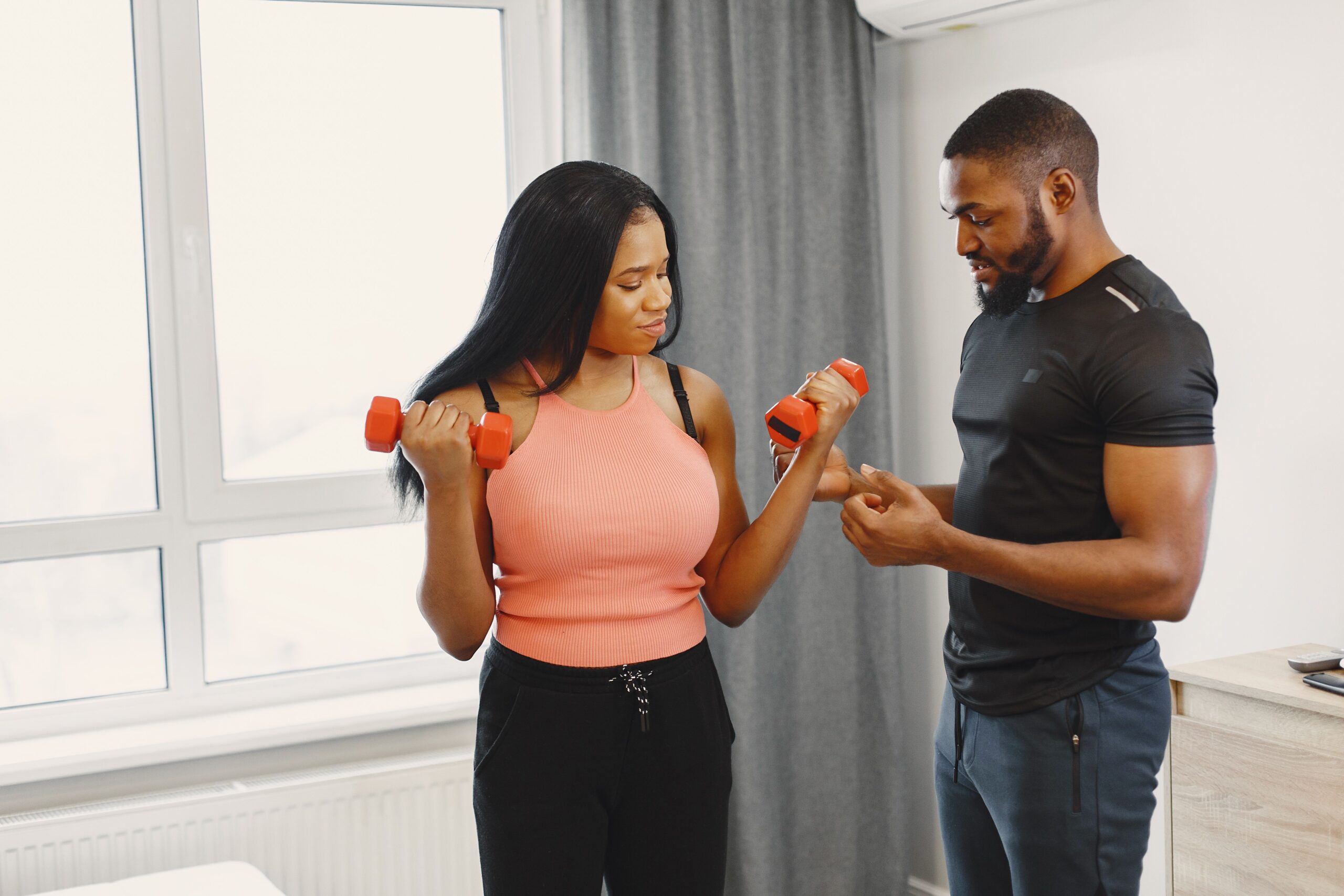
Bone rarely announces itself as a menopause symptom. No hot flash, no night sweat, no warning. Humanic Blue is following the quiet years around the final period, when bone thins fastest and the stakes for living longer and better become clearer.
To protect bone health during menopause, the research points to a few layers. The base, according to the National Institutes of Health, is weight-bearing and strength exercise, calcium, vitamin D and protein from food, not smoking and moderate drinking. Hormone therapy cut fractures by about a quarter in a large trial, though that trial found no overall net benefit once other health risks were counted. Bone medication depends on screening and personal fracture risk, not on menopause itself. And a federal task force recommends against low-dose calcium and vitamin D pills for preventing fractures in postmenopausal women without osteoporosis.
Key Takeaways
- Bone loss is fastest from about a year before the final period to two years after it. This comes from long-term observation, not a treatment trial.
- Weight-bearing and muscle-strengthening exercise, calcium, vitamin D and protein from food, not smoking and moderate alcohol are the base in NIH and Bone Health and Osteoporosis Foundation guidance.
- Hormone therapy reduced fractures by about a quarter in the Women’s Health Initiative, but that trial found no net benefit once other outcomes were weighed.
- Bone medications are started on bone density and fracture risk, not menopause alone.
- No study has tested whether protecting bone during menopause helps women live longer.
When does bone loss speed up?
The clearest timeline comes from the Study of Women’s Health Across the Nation (SWAN), a long-running study funded by the National Institutes of Health. UCLA geriatrics researcher Gail Greendale and colleagues tracked the bone density of about 860 women from four racial and ethnic groups, from five years before their final period to five years after.
Over those ten years, the women lost about 10% of their spine density and about 9% at the femoral neck, the narrow top of the thigh bone. Roughly two-thirds of that loss happened in one three-year window: from a year before the final period to two years after. Loss slowed afterward but didn’t stop.
These are averages. Women with a higher body mass index and African American women tended to lose bone more slowly, while Chinese and Japanese women lost it faster. The SWAN numbers
Muscle shifts at the same time. In a later SWAN analysis of about 540 women, UCLA researcher Albert Shieh and colleagues found that women who lost more lean mass during the transition had more fractures afterward, even after accounting for bone density. It’s an association from an observational study, and it’s covered in Protect Muscle During Menopause. The details of screening timing are in When Should Women Get a Bone Density Test?
Exercise and food form the base
The National Institute of Arthritis and Musculoskeletal and Skin Diseases (NIAMS), part of the NIH, lists the basics of preventing osteoporosis: weight-bearing exercise such as walking, a diet rich in calcium and vitamin D, drinking alcohol in moderation, and not smoking. Its treatment guidance adds protein, and says “the best physical activities for bone health include strength training or resistance training.”
The Bone Health and Osteoporosis Foundation (BHOF) includes weight-bearing and muscle-strengthening exercise in its general bone-health recommendations in the 2022 clinician’s guide. It also says people should be evaluated before starting a new program, especially one involving running or weightlifting. That check matters most when bone is already thin.
How much can exercise move the needle? In the LIFTMOR trial at Griffith University in Australia, about 100 postmenopausal women with low bone mass spent eight months in either supervised heavy lifting and impact training (30 minutes, twice a week) or a gentle home program. Spine density rose about 3% in the heavy-training group and fell about 1% in the home group, with one minor back spasm reported. The trial was small and short and didn’t count fractures. Its senior author, Belinda Beck, directs a Brisbane clinic that offers a program based on it. More is in Can Bone Density Improve? How the trial worked
Supplement pills are their own matter. The US Preventive Services Task Force recommends against daily supplements of 400 IU or less of vitamin D and 1,000 mg or less of calcium for preventing fractures in postmenopausal women living in the community. A December 2024 draft update, still not finalized as of September 25, 2026, would drop the dose limits and recommend against vitamin D, with or without calcium, for this purpose. The task force’s advice doesn’t cover women with osteoporosis, a past osteoporotic fracture or vitamin D deficiency. The wider picture is in Protect Bone Density as You Age.
What did hormone therapy do for fractures?
The main randomized fracture evidence for hormone therapy comes from the Women’s Health Initiative (WHI), funded by the National Heart, Lung, and Blood Institute, with study pills donated by the drug’s maker, Wyeth-Ayerst. In its estrogen-plus-progestin trial, about 16,600 women aged 50 to 79, average age 63, took a daily hormone pill or a placebo for about five and a half years.
In a 2003 report led by University of Pittsburgh epidemiologist Jane Cauley, about 9 in 100 women on hormones had a fracture, against about 11 in 100 on placebo: roughly a quarter fewer. Hip density rose about 4% over three years with hormones and barely moved on placebo. The benefit showed up in every subgroup the researchers examined.
The same report added a harder line. Once fractures were weighed against the trial’s other major health outcomes, the authors found “no net benefit, even in women considered to be at high risk of fracture.” The trial used an older pill, conjugated equine estrogen with medroxyprogesterone acetate, in women whose average age was well past the menopause transition. How the trial worked
The Menopause Society, formerly the North American Menopause Society, says hormone therapy “has been shown to prevent bone loss and fracture.” Its 2022 position statement calls the benefit-risk ratio favorable for preventing bone loss in women under 60 or within 10 years of menopause who have no reason to avoid it, and less favorable when started later. It also says decisions about starting and stopping should rest mainly on benefits beyond bone, such as hot-flash relief, and on risks, and that bone protection fades quickly after stopping. Several panel members report advisory or consulting ties to drug companies. What the statement says
Regulators have moved too. In November 2025, the FDA announced it would remove boxed warnings about heart disease, breast cancer and probable dementia from menopausal hormone therapy labels, and it approved the first of those label changes in February 2026. Its announcement said women may reduce “bone fractures by 50 to 60%.” The WHI’s randomized result was about a quarter. Those broader trade-offs, including the WHI’s 18-year follow-up, which found hormone therapy didn’t change death rates from any cause, are covered in Menopause and Longevity.
How would fracture findings fit into a discussion of hormone therapy's broader benefits and harms?
When do bone medications come in?
Menopause alone isn’t a reason to start bone medication. The US Preventive Services Task Force recommends bone density screening for women 65 and older, and for younger postmenopausal women whose fracture risk looks elevated on a clinical risk assessment.
BHOF’s clinician’s guide recommends considering medication for postmenopausal women with a T-score (a DXA bone-density scan result that compares density with that of a young adult) of −2.5 or lower, with a hip or spine fracture, or with low bone mass plus a 10-year fracture risk at or above set thresholds. Three members of the guide’s committee report ties to makers of osteoporosis drugs. The thresholds are explained in Osteoporosis vs. Osteopenia. The guide’s criteria
The guide is also blunt about fractures after 50. Any new one, it says, “signifies imminent elevated risk for subsequent fractures.”
What about creatine?
Creatine has picked up a lot of side jobs lately, and bone protection is one of them. Two two-year trials in postmenopausal women have tested it.
At the University of São Paulo, about 200 women with low bone mass took 3 grams a day or a placebo, with no training program. Bone density didn’t differ between the groups. In Canada, researchers at the Universities of Saskatchewan and Regina gave about 240 women creatine or a placebo alongside resistance training and walking. Bone density didn’t differ there either, though some measures of hip-bone shape held up better with creatine. One of the Canadian researchers, Darren Candow, sits on the scientific advisory board of a creatine manufacturer. More is in Creatine After 50. The creatine trials
What would distinguish a muscle-related benefit from a demonstrated bone-protection benefit?
What’s Interesting
The fastest bone loss starts about a year before the final period, a milestone nobody gets a calendar reminder for. By the time most women know the transition is well along, a good share of the loss is already underway.
The WHI adds a second twist. Hormone therapy cut fractures across every subgroup the trial looked at, yet the trial’s overall accounting still showed no net benefit. A clear benefit sat inside an unclear bottom line, which is part of why the Menopause Society ties hormone decisions to age, timing and symptoms rather than to bone alone.
What This Means in Practice
- Exercise and food: NIAMS lists weight-bearing exercise, calcium and vitamin D from food, moderate alcohol and not smoking; its treatment guidance adds protein and strength training. BHOF advises evaluation before a new exercise program, especially running or weightlifting.
- Screening: The US Preventive Services Task Force (USPSTF) recommends a bone density test for women at 65, or earlier after menopause when a clinical assessment shows higher fracture risk.
- Hormone therapy: The Menopause Society bases its benefit-risk assessment on symptoms, bone protection, age, time since menopause and medical reasons to avoid treatment.
- Fractures: BHOF describes a new fracture after 50 as a sign of elevated risk of another fracture, particularly in the following year.
- Creatine: Two two-year trials found no bone-density benefit; those results do not establish fracture protection.
A clinician certified in menopause care can weigh hormone therapy with you. An endocrinologist or primary care clinician can interpret bone density and fracture risk.
Bottom Line
SWAN found that bone loss is fastest around the final period. NIAMS guidance emphasizes exercise, calcium, vitamin D and protein from food, not smoking and moderate alcohol. Hormone therapy reduced fractures by about a quarter in the WHI, but that trial found no net benefit across all outcomes, and the Menopause Society describes a favorable balance for symptoms and bone-loss prevention in women under 60 or within 10 years of menopause who have no medical reason to avoid it. Screening and fracture-risk thresholds decide when bone medications fit.
Whether any of this helps women live longer hasn’t been tested. What’s documented is the cost of fractures: the USPSTF says only 40% to 60% of people who break a hip regain their earlier mobility, and it links osteoporotic fractures to loss of independence and death. A menopause specialist or primary care clinician can help you put your own risk in context.
A NOTE FROM LONGEVITY365
We read research, consult expert perspectives and work to make complicated health information easier to understand. What you’re reading here reflects how we’ve interpreted and organized that information. It is educational content—not personal medical advice, diagnosis or treatment guidance.
We’re not perfect, and neither is the available research. Evidence changes, new studies emerge and what’s appropriate for one person may not be appropriate for another.
Use this article as a starting point for your own research and conversations with qualified professionals. Always talk with your doctor or another trusted healthcare professional before making decisions that could affect your health, particularly if you take medications, are receiving treatment, have existing health conditions, are pregnant or have other circumstances that could affect what’s appropriate for you.
Reader Questions
A few questions to carry into the comments or your next conversation. Please leave out identifying or personal medical details.
- 01Which part of the menopause conversation still feels most under-explained: muscle, bone, heart health, sleep, body composition, or symptoms?
- 02Where did this article help separate a normal transition from something worth bringing into care?
- 03What question would make a midlife health visit more specific without overgeneralizing from population evidence?
Extra Insights & Sources
For readers who want the details behind each claim above. Bone mineral density (BMD) measures how much mineral is in a measured area of bone; DXA is the X-ray scan used to measure it. BMI means body mass index, a weight-for-height measure. In these studies, lean mass means nonfat tissue, not muscle alone.
A hazard ratio (HR) compares event rates over time: 1 means no difference, and 0.76 means about 24% lower relative hazard, not 24 fewer fractures per 100 women. A 95% confidence interval (CI) describes statistical uncertainty. A standard deviation (SD) describes variation in the group. FRAX estimates a person’s 10-year fracture probability using clinical risk factors, sometimes with bone density. The WHI global index combined selected health benefits and harms; tertiles divide participants into three groups.
What We Know
- Bone loss accelerates around the final menstrual period.
- Estrogen plus progestin reduced fractures in a large randomized trial.
- In the same trial, there was no net benefit when all outcomes were weighed.
- Low-dose calcium and vitamin D supplements aren’t recommended for fracture prevention in postmenopausal women living in the community. Established (USPSTF 2018; a 2024 draft, not finalized as of September 25, 2026, would broaden this).
- Creatine didn’t improve bone density in two two-year trials in postmenopausal women. Supported (null).
What We Don’t Know
- Whether starting hormone therapy early, with today’s formulations, changes the net balance for bone-focused use. Uncertain.
- Whether exercise alone during the transition prevents later fractures.
- Whether protecting bone during menopause extends lifespan.
The options side by side
| Option | What it does | The trade-off |
|---|---|---|
| Weight-bearing and resistance exercise | NIAMS’s first-line prevention; LIFTMOR found modest density gains | BHOF advises evaluation before a new program, especially running or weightlifting |
| Calcium, vitamin D and protein from food | Supplies the material bone needs | Low-dose supplement pills aren’t recommended for fracture prevention in community-dwelling postmenopausal women |
| Hormone therapy | Reduced fractures by about 24% in the WHI | No net benefit in the WHI’s global index; benefit-risk depends on age and timing |
| Bone medications | Recommended at BHOF fracture-risk thresholds | Prescribed based on T-score, fracture history and FRAX, not menopause alone |
| Creatine | Popular claim | Two-year trials found no bone-density benefit |
SWAN bone-loss timeline in detail
Greendale et al., 2012. The SWAN bone analysis in the Journal of Bone and Mineral Research included 242 African American, 384 white, 117 Chinese and 119 Japanese women (862 in total) who were pre- or early perimenopausal at baseline and whose final menstrual period (FMP) date could be determined. BMD loss began one year before the FMP and decelerated, but did not cease, two years after it. In the model’s reference estimates, cumulative lumbar spine loss over 10 years was 10.6% of starting bone density. Loss during the transmenopause—the span from one year before to two years after the FMP—was 7.38% of that same starting density, not 7.38% of the total loss. At the femoral neck, the corresponding losses were 9.1% over 10 years and 5.8% during transmenopause, both relative to starting density. Postmenopausal loss rates (two to five years after the FMP) were lower. Greater BMI and African American heritage were related to slower loss; Japanese and Chinese ancestry to faster loss. First author Gail A. Greendale is in the Division of Geriatrics, David Geffen School of Medicine at UCLA. SWAN is funded by the NIH (NIA, NINR and ORWH), and the authors stated no conflicts of interest.
Shieh et al., 2023. In a 2023 SWAN analysis of 539 women not taking bone-affecting medications, the abstract reported 63% greater fracture hazard per standard-deviation increment in lean mass loss and 28% greater hazard per SD increment in fat gain. One SD represented 6.9 percentage points in cumulative lean-mass change and 19.9 percentage points in cumulative fat-mass change, each measured relative to its starting mass. These are units of variation between women, not the average loss or gain. The fat-gain result depended on the model: before adding bone density, Table 3 gives HR 1.29 (95% CI 0.99–1.67), with a rounded p-value of .05; the results text gives p=.053. With femoral-neck or spine density added, the estimates were HR 1.31 (1.02–1.69) and 1.39 (1.07–1.79), respectively. The base model already accounted for several other differences between women. The lean-loss association remained statistically clear in all three models; the fat-gain association was borderline before bone-density adjustment. The abstract’s 28% summary differs slightly from the 29% base-model estimate in the full results. The authors had nothing to disclose.
Exercise, food and supplements in detail
NIAMS. The NIAMS osteoporosis overview lists “weight-bearing exercises such as walking,” “a nutritious diet rich in calcium and vitamin D,” “drinking alcohol in moderation” and “quitting smoking, or not starting if you don’t smoke.” It notes that for many women, the disease “begins to develop a year or two before menopause.” Its treatment page recommends “foods and liquids that include calcium, vitamin D, and protein,” which “help minimize bone loss and maintain overall health.”
BHOF. The 2022 clinician’s guide lists “regular weight-bearing and muscle-strengthening exercise” among universal bone-health recommendations and says: “To avoid injury, patients should be evaluated before initiating a new exercise program, particularly one involving compressive or contractile stressors (such as running or weightlifting).”
LIFTMOR (2018). In the LIFTMOR trial, led by first author Steven Watson with senior author Belinda Beck at Griffith University, 101 women (average age 65 years, with a standard deviation of 5 years describing the spread of ages) with T-scores below −1.0 were randomized to eight months of twice-weekly, 30-minute supervised high-intensity resistance and impact training (5 sets of 5 repetitions at more than 85% of one-repetition maximum, the maximum weight lifted once) or a home-based low-intensity program. Lumbar spine BMD changed +2.9% versus −1.2%, and femoral neck BMD +0.3% versus −1.9%. All functional measures improved more in the high-intensity group. One adverse event was reported (a minor lower back spasm).
Beck and co-author Lisa Weis are listed with The Bone Clinic in Brisbane, where Beck is director; the clinic’s own page says the trial “formed the basis for TBC’s Onero™ exercise program,” which it offers to clients. (Note 1)
USPSTF supplements. The 2018 final recommendation (grade D) recommends against daily supplementation with 400 IU or less of vitamin D and 1,000 mg or less of calcium for the primary prevention of fractures in community-dwelling postmenopausal women; evidence on higher doses was insufficient. The December 2024 draft recommends against “supplementation with vitamin D with or without calcium for the primary prevention of fractures in community-dwelling postmenopausal women and men age 60 years or older” (grade D). Its evidence review found a pooled kidney-stone risk ratio of 1.11, about 2 more people with kidney stones per 1,000 treated. As of September 25, 2026, the task force’s site still lists the draft as an update in progress, and the 2018 recommendation remains the final one. IU means international units, a measure used for vitamin D; mg means milligrams. Grade D means the task force recommends against that preventive use. The recommendations don’t apply to people with prior osteoporotic fractures, osteoporosis, vitamin D deficiency or conditions affecting vitamin D absorption.
The WHI fracture trial in detail
Cauley et al., 2003. In the WHI estrogen-plus-progestin trial (JAMA, 2003), 16,608 postmenopausal women aged 50 to 79 with an intact uterus were recruited at 40 US clinical centers and followed for an average of 5.6 years. They received conjugated equine estrogen 0.625 mg/day plus medroxyprogesterone acetate 2.5 mg/day in one tablet (8,506 women) or placebo (8,102). Fractures occurred in 733 women (8.6%) on hormones and 896 (11.1%) on placebo (HR 0.76; 95% CI 0.69–0.83). The effect did not differ by age, BMI, smoking, falls, fracture history, calcium intake, past hormone use, BMD or fracture-risk score. In a BMD subset of 1,024 women, total hip BMD rose 3.7% over three years with hormones versus 0.14% with placebo. The global index of risks and benefits was similar across fracture-risk tertiles (HR 1.20, 1.23 and 1.03 from lowest to highest). The authors’ full conclusion: “When considering the effects of hormone therapy on other important disease outcomes in a global model, there was no net benefit, even in women considered to be at high risk of fracture.” Participants’ mean age was 63, according to a separate WHI report on the same trial. The WHI is funded by the NHLBI, and Wyeth-Ayerst donated the study drugs, according to the WHI’s 2017 mortality paper. (Note 2)
18-year mortality. In the 2017 WHI mortality analysis of 27,347 women across both hormone trials, all-cause mortality was 27.1% with hormone therapy and 27.6% with placebo (HR 0.99; 95% CI 0.94–1.03). The authors concluded hormone therapy “was not associated with risk of all-cause, cardiovascular, or cancer mortality during a cumulative follow-up of 18 years.” Full discussion is in Menopause and Longevity.
FDA labeling. The FDA’s November 10, 2025 announcement said it would remove references to cardiovascular disease, breast cancer and probable dementia from boxed warnings, while keeping the endometrial cancer boxed warning for systemic estrogen-alone products. It stated that women may reduce their risk of “bone fractures by 50 to 60%.” On February 12, 2026, the FDA approved labeling changes for six hormone therapy products, which it described, as of that announcement, as a first batch after 29 drug companies had submitted proposed labeling changes.
The Menopause Society’s position in detail
The 2022 hormone therapy position statement, published when the society was the North American Menopause Society, says hormone therapy “has been shown to prevent bone loss and fracture” and that, for women younger than 60 or within 10 years of menopause onset without contraindications, “the benefit-risk ratio is favorable for treatment of bothersome VMS and prevention of bone loss” (VMS means vasomotor symptoms: hot flashes and night sweats). For women starting more than 10 years after menopause or after 60, it “appears less favorable because of the greater absolute risks of coronary heart disease, stroke, venous thromboembolism, and dementia.” Its bone key points include: “Hormone therapy is FDA approved for prevention of bone loss, but not for treatment of osteoporosis”; “Discontinuing hormone therapy results in rapid bone loss; however, no excess in fractures was seen in the WHI after discontinuation”; and “Decisions regarding initiation and discontinuation of hormone therapy should be made primarily on the basis of extraskeletal benefits (ie, reduction of VMS) and risks.” As of September 25, 2026, the Society’s position-statements page still lists this 2022 statement as its current hormone therapy statement.
In the quoted statement, venous thromboembolism means blood clots in veins, including clots that travel to the lungs; extraskeletal benefits means benefits beyond the bones, such as relief of hot flashes.
Disclosures: nine of the 14 panel members, including the lead, Stephanie Faubion, reported no financial relationships with ineligible companies. Five (Lori Davis, Pauline Maki, Nanette Santoro, Rebecca Thurston and Wendy Wolfman) reported advisory-board, consulting or speaker roles with companies including Astellas, Bayer, Pfizer, Johnson & Johnson, AbbVie and Mayne Pharma. The statement says “All financial relationships with ineligible companies have been mitigated.”
BHOF treatment criteria in detail
Osteopenia means low bone mass above the osteoporosis threshold. Grade B in the screening recommendation below means the task force recommends the service.
The 2022 BHOF clinician’s guide (LeBoff et al., Osteoporosis International) recommends considering drug treatment in postmenopausal women and men 50 and older with a T-score of −2.5 or lower at the femoral neck, total hip or lumbar spine; osteopenia (T-score between −1.0 and −2.5) at the femoral neck or total hip “with a 10-year hip fracture risk ≥ 3% or a 10-year major osteoporosis-related fracture risk ≥ 20%” on US-adapted FRAX; or a “Fracture of the hip or vertebra regardless of BMD.” It adds that “Any new fracture in an adult aged 50 years or older signifies imminent elevated risk for subsequent fractures, particularly in the year following the initial fracture.” The guide was funded by BHOF. Committee disclosures list Amgen for Meryl LeBoff; Radius, Amgen, Mereo, Bindex and Alexion for E. Michael Lewiecki; and Amgen, Radius Health and UCB for Andrea Singer.
USPSTF screening. The January 2025 USPSTF recommendation (grade B) recommends screening for osteoporosis in women 65 or older and in postmenopausal women younger than 65 “who are at increased risk for an osteoporotic fracture as estimated by clinical risk assessment.” It states that “only 40% to 60% of persons experiencing a hip fracture recover their prefracture level of mobility and ability to perform activities of daily living,” and that osteoporotic fractures “are associated with psychological distress, subsequent fractures, loss of independence, reduced ability to perform activities of daily living, and death.”
The creatine trials in detail
Sales et al., 2020. In a double-blind trial in São Paulo (Journals of Gerontology: Series A), 200 postmenopausal women with osteopenia took creatine monohydrate 3 g/day or placebo for two years. Spine, femoral neck and total femur BMD declined over time with no difference between groups; bone markers, microarchitecture, falls and fractures didn’t differ; and lean mass rose in both groups with no added effect of creatine. The authors concluded that the results refute the long-held idea that creatine on its own builds bone or muscle over the long term. (Note 3)
Chilibeck et al., 2023. In a two-year trial (Medicine & Science in Sports & Exercise), 237 postmenopausal women (mean age 59) took creatine (0.14 grams per kilogram of body weight each day) or placebo during resistance training three days a week and walking six days a week. Creatine had no effect on femoral neck, total hip or lumbar spine BMD, but “significantly maintained” section modulus and buckling ratio, measures of femoral-neck bending strength, and reduced 80-meter walking time. The authors concluded that two years of creatine and exercise “had no effect on BMD; yet, it improved some bone geometric properties at the proximal femur,” and wrote that longer follow-up with larger samples “would be needed” to confirm hip-fracture protection. Funding came from the Canadian Institutes of Health Research and the Canada Foundation for Innovation. Co-author Darren Candow reported industry-sponsored creatine research, creatine donations and travel support, service on the scientific advisory board of AlzChem (a company that manufactures creatine), and work as an expert witness or consultant in legal cases involving creatine. The trial used AlzChem’s Creapure creatine.
Sources
- Greendale GA, et al. SWAN bone mineral density loss and the final menstrual period, Journal of Bone and Mineral Research, 2012: PubMed 21976317
- Shieh A, et al. SWAN body composition and fractures, Journal of Bone and Mineral Research, 2023: PubMed 36542065
- National Institute of Arthritis and Musculoskeletal and Skin Diseases: Osteoporosis and Diagnosis, Treatment, and Steps to Take
- LeBoff MS, et al. The clinician’s guide to prevention and treatment of osteoporosis (BHOF), Osteoporosis International, 2022: PMC9546973
- Watson SL, et al. LIFTMOR randomized controlled trial, Journal of Bone and Mineral Research, 2018: PubMed 28975661
- US Preventive Services Task Force: Vitamin D, Calcium, or Combined Supplementation for the Primary Prevention of Fractures (2018) and 2024 draft update
- US Preventive Services Task Force: Osteoporosis to Prevent Fractures: Screening (2025)
- Cauley JA, et al. Women’s Health Initiative estrogen plus progestin and fracture, JAMA, 2003: PubMed 14519707
- Manson JE, et al. WHI hormone therapy and 18-year mortality, JAMA, 2017: PubMed 28898378
- The North American Menopause Society (now The Menopause Society). The 2022 hormone therapy position statement, Menopause, 2022: PubMed 35797481
- US Food and Drug Administration: November 10, 2025 announcement and February 12, 2026 labeling approval
- Sales LP, et al. Creatine and bone health in older women, Journals of Gerontology: Series A, 2020: PubMed 31257405
- Chilibeck PD, et al. Creatine during exercise for postmenopausal bone health, Medicine & Science in Sports & Exercise, 2023: PubMed 37144634
Notes
Note 1: The LIFTMOR paper’s conflict-of-interest statement isn’t in its public record. Beck’s role at The Bone Clinic comes from the paper’s author affiliations and the clinic’s own page.
Note 2: Author-level financial disclosures for the 2003 JAMA paper aren’t in its public record.
Note 3: Funding and conflicts of interest for the Sales trial aren’t listed in its public record.
Leave a Reply