
Can Biological Age Tests Track an Intervention?
Some trials detect average changes in biological-age clocks. Two consumer results cannot yet reliably show that an intervention slowed one person's aging.
Read article
THE ART & SCIENCE OF LIVING LONGER
Subcategory
Some trials detect average changes in biological-age clocks. Two consumer results cannot yet reliably show that an intervention slowed one person's aging.
Read article
A pace-of-aging score is a rate, not an age: 1.0 means aging at the speed of the average 45-year-old in New Zealand's Dunedin Study. Here's how to read…
Read article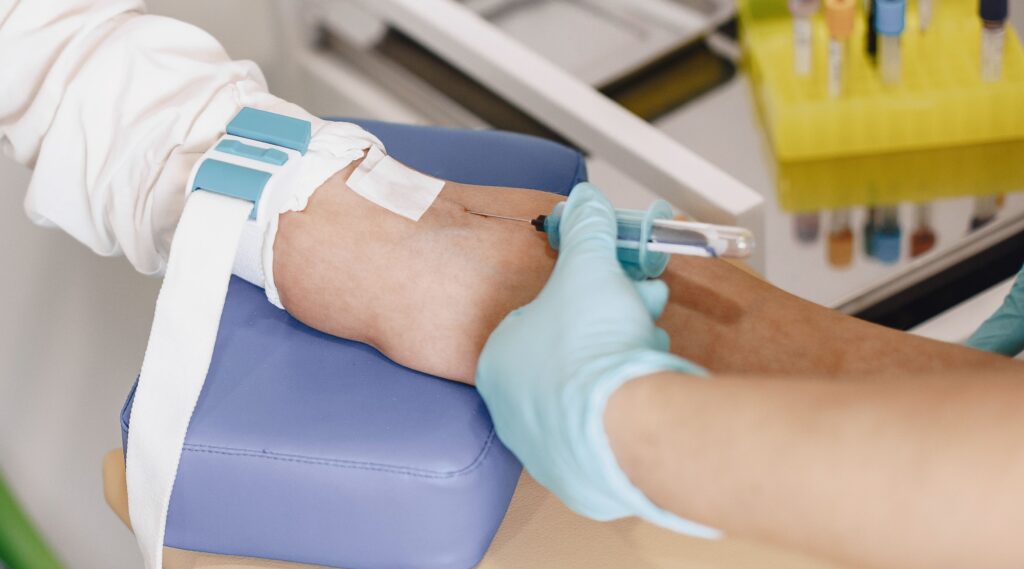
Phenotypic age turns nine routine blood markers plus your age into a mortality-risk score read in years. What it predicts, where it wobbles, how to compute it.
Read article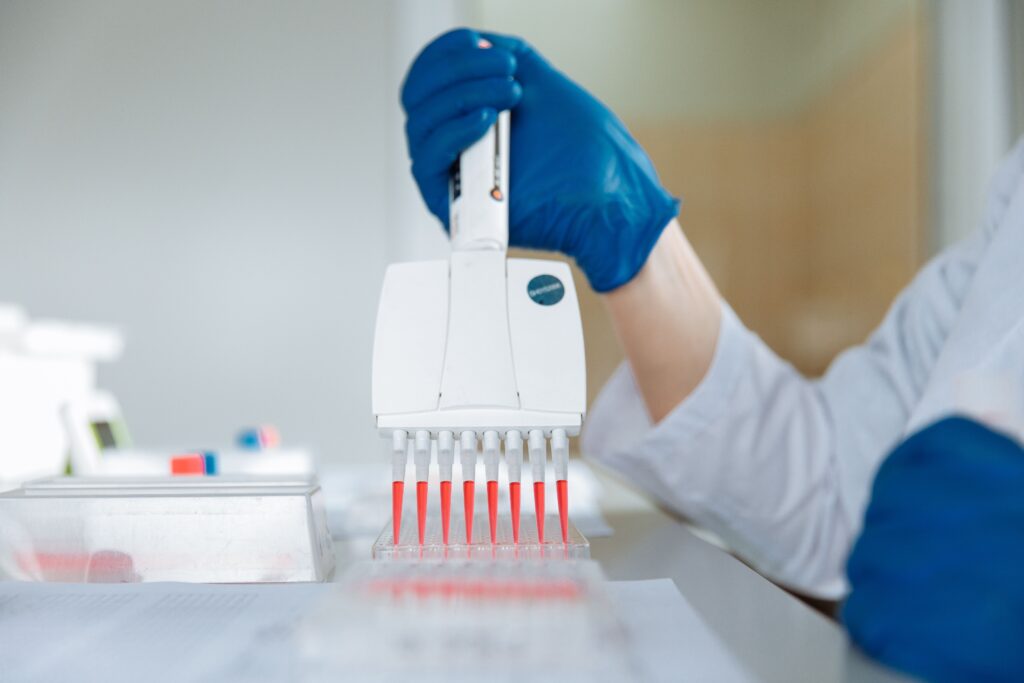
Clinical blood-age tests combine routine lab values; epigenetic clocks analyze chemical patterns on DNA. Neither forecasts one person's lifespan.
Read article
Biological-age scores are research estimates, not diagnoses or lifespan forecasts. Their units, repeatability and limits depend on the clock and sample.
Read article
No guideline sets a biological-age retest interval, and existing trials do not validate a routine schedule for tracking one person.
Read article
A biological age score has dropped in several small human trials. No trial has shown a lower score means slower aging, less disease or a longer life.
Read article
DunedinPACE reports a rate (1.0 = average); GrimAge and PhenoAge report an age in years. Built differently, they agree only moderately; none is a diagnostic.
Read article
An epigenetic age test reads methylation tags on your DNA and runs them through a statistical clock. Here's what the number is made of, and what it isn't.
Read article
Depends which accuracy. Standard clocks can drift years on one sample; newer ones are tighter and predict mortality in groups. None is a medical test for you.
Read article