
Exercise
Prevent Muscle Loss After 60
After 60, resistance-training studies show strength gains. Weight loss and hospital stays may threaten function; plans depend on health and recovery.

In your 60s, gradual age-related change can be compounded by dieting, surgery, illness or an inactive recovery. Humanic Blue is looking at those vulnerable moments to understand what the evidence says about preserving strength and independence—and what that can tell us about living longer and better.
A 2025 analysis of trials in adults 60 and older found that resistance training—exercise against a load, such as weights—improved lean mass, muscle size and leg strength. Lean mass is tissue other than fat; it is not a measurement of muscle alone. The evidence was uncertain, particularly for adults with physical impairments.
The current US Physical Activity Guidelines recommend muscle-strengthening activity at least twice a week for adults, plus balance activity for older adults; this is population guidance, and CDC guidance says activity should fit a person’s abilities and conditions. During intentional weight loss in the 26-week LITOE trial, resistance or combined training preserved more lean mass than aerobic training alone in adults 65 and older with obesity and mild-to-moderate frailty. That trial does not establish a plan for everyone.
After serious illness or hospitalization, a treating clinician or physical therapist can assess when and how to restore mobility and strength. Grip strength and a test of standing up from a chair five times can help clinicians identify possible sarcopenia, a muscle condition involving low strength and reduced muscle quantity or quality. Neither test is a stand-alone diagnosis. Protein targets are not one-size-fits-all, especially with kidney disease. These findings concern function and independence; whether they extend lifespan has not been tested directly.
Key Takeaways
- Reviews of older-adult trials find strength gains with resistance training, although certainty varies and evidence in physically impaired adults is limited.
- During intentional weight loss, the LITOE trial found less loss of lean tissue with resistance or combined training than with aerobic training alone. Participants were 65 or older, with obesity and mild-to-moderate frailty; this is not a result for every weight-loss situation.
- A 2026 review estimated that about one-quarter of older hospital patients lost independence in daily activities, with wide differences among settings.
Does resistance training still work after 60?
A 2025 review comparing resistance-training trials found gains in lean mass, muscle size and leg strength in adults aged 60 and older. Programs with smaller and larger amounts of training both produced gains compared with no exercise. The reviewers had low confidence in the lean-mass and muscle-growth estimates and very low confidence in the strength estimates. Evidence in physically impaired adults was limited, so these averages cannot predict one person’s response.
Current US Physical Activity Guidelines recommend that adults do muscle-strengthening activities at least two days a week and 150–300 minutes of moderate-intensity aerobic activity. Older adults should also include balance work. The guideline is a population-level minimum, not an individualized rehabilitation plan.
Threat 1: Losing weight
Weight loss is common advice in the 60s, for blood sugar, joints or heart health. Some of what’s lost is muscle and bone.
The LITOE trial, published in the New England Journal of Medicine in 2017, tested exercise modes during intentional weight loss. Sedentary adults 65 and older with obesity and mild-to-moderate frailty were randomly assigned to a control group or to a weight-management diet plus aerobic, resistance or combined training. The supervised trial tested a particular diet and exercise program, not a general prescription for everyone losing weight.
All three exercise groups lost about 9% of body weight, but what happened underneath that number differed. The aerobic group lost more lean mass and hip bone density than the resistance and combined groups. Strength improved much more with resistance and combined training, while the combined group had the largest improvement on the trial’s overall physical-function test. The full results table is in Extra Insights. Exercise-related events included falls, joint or back pain, atrial fibrillation (an irregular heart rhythm) and shoulder injury. The trial was funded by the National Institutes of Health and reported no commercial support.
A 2026 review comparing trials placed that result in a wider evidence base in community-dwelling older adults with obesity. Programs combining nutrition, exercise and behavior change improved performance on groups of physical-function tests, with high confidence in that finding. Effects on fat-free tissue and bone density were very uncertain. Evidence in frail adults, people 75 and older and over the longer term remained limited.
Weight loss with GLP-1 medicines raises the same question, as covered in Prevent Muscle Loss After 40.
Which outcomes belong beside weight change when interpreting the LITOE trial?
How can hospitalization affect independence?
A 2026 review of hospital studies estimated that 27% of older inpatients lost independence in daily activities around their hospital stay. But individual studies reported rates from 5% to 57%. The overall estimate describes a pattern across hospitals; it is not a forecast for an individual patient.
The decline reflects illness, baseline vulnerability and hospital processes—not bed rest alone. A 2024 risk-factor meta-analysis identified frailty, poor physical function, immobility and delirium (sudden confusion) among confirmed risk factors, along with age, the number and severity of other illnesses, dementia and length of stay. Experimental bed-rest findings are covered in Prevent Muscle Loss After 50, but those healthy-volunteer studies do not reproduce the physiology or care of acute illness.

Threat 3: Not noticing
Muscle loss can be missed until everyday tasks get harder. The European Working Group on Sarcopenia in Older People uses low strength—measured with grip strength or a five-rise chair test—to identify probable sarcopenia. Low muscle quantity or quality confirms the diagnosis; poor physical performance indicates severe sarcopenia. Those are consensus criteria, not evidence that annual self-testing prevents disability. Grip strength is covered in Grip Strength and Longevity, and unintended weight loss and slowing are discussed in Can Frailty Be Reversed?.
At 65, many people join Medicare. According to Medicare.gov, its yearly Wellness visit can include an optional assessment of physical-activity and nutrition risks. That’s one place to raise strength concerns, although the visit is not a routine physical examination or a guaranteed sarcopenia screen.
What distinguishes a low-strength screening result from a complete sarcopenia assessment?
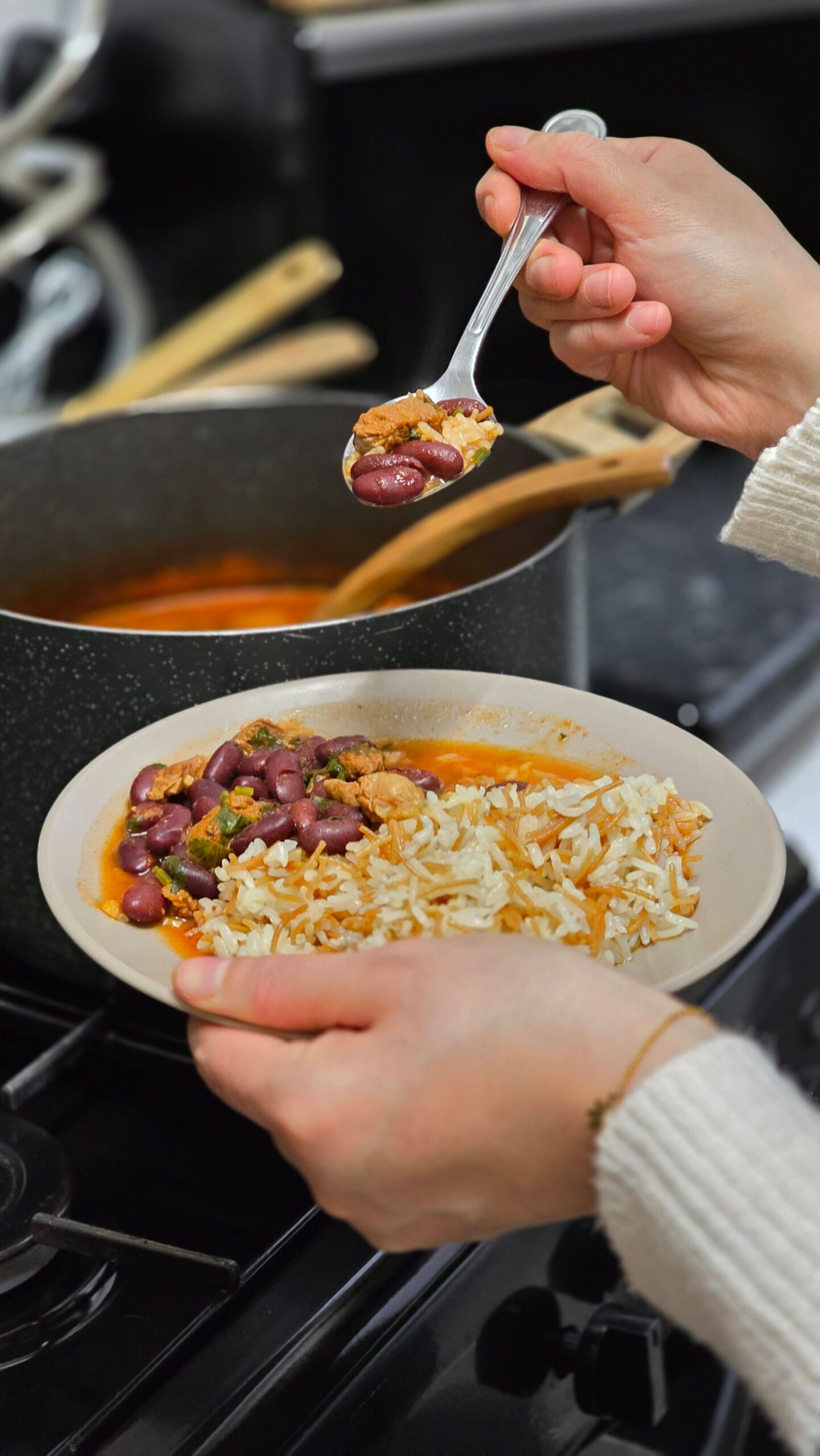
Do protein needs change after 65?
Protein guidance does not change automatically at 60. The National Academies’ recommended dietary allowance (RDA) for adults remains 0.8 grams of protein per kilogram of body weight per day, while the 2025–2030 US Dietary Guidelines use a general target of 1.2–1.6 grams per kilogram of body weight per day. The shorthand g/kg/day means grams per kilogram of body weight each day. A separate 2013 PROT-AGE expert consensus proposed 1.0–1.2 g/kg/day for generally healthy people older than 65 and 1.2–1.5 g/kg/day for many with acute or chronic illness. Those standards serve different purposes, and the consensus is not proof that one target fits everyone.
Kidney disease changes the discussion. Current KDIGO guidance suggests 0.8 g/kg/day for adults with chronic kidney disease stages G3–G5 who are not on dialysis. These stages range from mildly to moderately reduced kidney function through kidney failure. The guideline advises avoiding intake above 1.3 g/kg/day when progression is a concern. It also cautions against low-protein diets in people whose metabolism is unstable, such as during serious illness. A clinician or renal dietitian should reconcile kidney, nutrition and muscle risks. The LITOE diet’s approximately 1 g/kg/day applies only to that trial.
What’s Interesting
The LITOE results show that the composition and functional effects of weight loss can differ even when scale weight is similar. All three exercise groups lost about 9% of body weight. The resistance group lost 2% of lean mass and 0.5% of hip bone density; the aerobic group lost 5% and 3%. But this single trial cannot establish the ideal plan for adults without obesity, people using weight-loss medication or those with different frailty and medical profiles.
What This Means in Practice
For living longer and better, these studies concern strength and independence during weight loss and illness. They do not establish a single prevention plan.
- Strength training: The federal guideline calls for muscle-strengthening activity at least twice weekly for adults and balance work for older adults. It is a population target; a physical therapist can adapt activity around health and mobility limits.
- Intentional weight loss: The LITOE trial found less lean-mass loss with resistance or combined training than with aerobic training alone in selected older adults with obesity and mild-to-moderate frailty. A clinician and dietitian can assess how exercise and nutrition fit a person’s weight-loss treatment and health conditions.
- Surgery or hospitalization: The hospital studies document a risk of lost independence, but they do not specify a single recovery schedule. The treating team can determine whether physical therapy is appropriate and when movement can resume.
- Possible sarcopenia: The European Working Group uses grip strength and chair rises to identify probable low strength; diagnosis requires more assessment. Worsening function is a question for a clinician, not a self-diagnosis from one score.
- Protein: General guidance and kidney-disease guidance use different targets. A clinician or dietitian can reconcile them for an individual.
A physical therapist can assess movement and rehabilitation needs; a primary care clinician can evaluate possible sarcopenia and review weight-loss treatment; a registered dietitian can assess nutrition needs.
Bottom Line
The federal guidelines recommend regular muscle-strengthening activity for adults, and trials in older adults show gains in strength and function. In one 26-week trial, resistance or combined training preserved more lean mass than aerobic training during dieting in adults 65 and older with obesity and mild-to-moderate frailty. Across hospital studies, about 27% of older inpatients lost independence in at least one daily activity, but estimates varied widely. Grip and chair-rise tests can flag possible low strength; they do not diagnose sarcopenia by themselves. Individual programs during weight loss, illness or recovery require attention to health and ability. Whether these approaches extend lifespan has not been tested directly; their demonstrated targets—strength, function and independence—matter for living longer and better.
A NOTE FROM LONGEVITY365
We read research, consult expert perspectives and work to make complicated health information easier to understand. What you’re reading here reflects how we’ve interpreted and organized that information. It is educational content—not personal medical advice, diagnosis or treatment guidance.
We’re not perfect, and neither is the available research. Evidence changes, new studies emerge and what’s appropriate for one person may not be appropriate for another.
Use this article as a starting point for your own research and conversations with qualified professionals. Always talk with your doctor or another trusted healthcare professional before making decisions that could affect your health, particularly if you take medications, are receiving treatment, have existing health conditions, are pregnant or have other circumstances that could affect what’s appropriate for you.
Reader Questions
A few questions to carry into the comments or your next conversation. Please leave out identifying or personal medical details.
- 01Which measurement or milestone would feel useful to track without letting it take over the whole point of moving?
- 02Which real-world barrier did the article address most usefully: time, confidence, access, recovery, or knowing where to start?
- 03What question would you bring to a clinician, physical therapist, trainer, or exercise professional after reading about Prevent Muscle Loss After 60?
Extra Insights & Sources
The evidence summaries and linked sources behind this article.
What We Know
- Resistance training improves strength and function in older adults. Established.
- During diet-induced weight loss in adults 65 and older with obesity and mild-to-moderate frailty, resistance or combined training preserved more lean mass than aerobic training alone. Supported by one RCT.
- Hospital-associated disability affects roughly one-quarter of older inpatients overall, with wide variation among settings and definitions. Supported with substantial heterogeneity.
What We Don’t Know
- Whether the LITOE results apply to people without obesity or to weight loss with medication. Unknown.
- Which in-hospital and post-discharge strategies best preserve or restore function for an individual patient. Uncertain.
- Whether preventing muscle loss in the 60s extends lifespan. Unknown. The evidence is on strength, function and disability.
LITOE results in detail
The LITOE trial assigned 160 participants, and 141 completed it. Its diet provided about 1 g of protein per kilogram of body weight per day. All three exercise groups in the 26-week trial received the same weight-management intervention. These study-level results show why equal scale weight did not mean equal changes in lean tissue, bone density, strength or function.
| Group | Weight change | Lean mass change | Hip bone density change | Strength change |
|---|---|---|---|---|
| Diet + aerobic | −9% | −5% | −2.6% | +4% |
| Diet + resistance | −9% | −2% | −0.5% | +19% |
| Diet + combined | −9% | −3% | −1% | +18% |
Physical Performance Test scores improved 21% in the combined group and 14% in each single-exercise group. Resistance training best preserved hip bone density, while aerobic and combined training improved aerobic capacity more.
Hospital-disability estimate
For the hospital-disability review, the 95% prediction interval was 7%–48%, illustrating the wide range of rates compatible with the evidence across settings.
Sources
- Radaelli et al., Sports Medicine (2025): network meta-analysis of 151 randomized trials and 6,306 adults aged 60+; all training-volume categories improved lean mass, muscle size and lower-limb strength, with low-to-very-low certainty depending on outcome. https://pubmed.ncbi.nlm.nih.gov/39405023/
- Physical Activity Guidelines for Americans, current federal guidance: recommends muscle-strengthening activity on at least two days and 150–300 minutes of moderate aerobic activity each week; older adults should also include balance work. https://odphp.health.gov/our-work/nutrition-physical-activity/physical-activity-guidelines/current-guidelines/top-10-things-know
- Villareal et al., LITOE, New England Journal of Medicine (2017): 26-week randomized trial; 160 adults aged 65+ with obesity and mild-to-moderate frailty were assigned, and 141 completed. Combined training produced the largest functional gain; resistance and combined training attenuated lean-mass loss compared with aerobic training. https://pubmed.ncbi.nlm.nih.gov/28514618/
- Torbahn et al., Obesity Reviews (2026): 72 randomized trials and 6,716 community-dwelling older adults with obesity; multicomponent lifestyle programs improved physical-function batteries, while fat-free-mass and bone-density effects remained very uncertain. https://pubmed.ncbi.nlm.nih.gov/41933504/
- Zeng et al., Age and Ageing (2026): systematic review and meta-analysis of 46 studies and 439,406 older inpatients; pooled hospital-associated disability prevalence was 27%, with study estimates of 5%–57% and a 7%–48% prediction interval. https://pubmed.ncbi.nlm.nih.gov/42747824/
- Hao et al., Ageing Research Reviews (2024): systematic review and meta-analysis of 21 studies identifying frailty, poor physical function, immobility and delirium (sudden confusion) among confirmed risk factors for hospital-associated disability. https://pubmed.ncbi.nlm.nih.gov/39332713/
- EWGSOP2 consensus, Age and Ageing (2019): uses low grip strength or slow five-rise chair performance for probable sarcopenia, muscle quantity or quality for confirmation and poor physical performance for severe disease. https://pubmed.ncbi.nlm.nih.gov/30312372/
- Medicare.gov, current coverage: the yearly Wellness visit includes an optional physical-activity and nutrition risk assessment; it is not a routine physical examination or a guaranteed sarcopenia test. https://www.medicare.gov/coverage/yearly-wellness-visits
- National Academies, Dietary Reference Intakes (2005): establishes the adult protein RDA of 0.8 g/kg/day. https://nap.nationalacademies.org/read/11537/chapter/14
- Dietary Guidelines for Americans, 2025–2030: current federal policy document using a general protein target of 1.2–1.6 g/kg/day. https://cdn.realfood.gov/DGA_508.pdf
- PROT-AGE Study Group (2013): expert consensus—not an official US requirement—proposing 1.0–1.2 g/kg/day for generally healthy adults over 65 and higher individualized intake for many with illness, with a kidney-disease exception. https://pubmed.ncbi.nlm.nih.gov/23867520/
- KDIGO 2024 CKD guideline: suggests 0.8 g/kg/day for adults with CKD G3–G5 not on dialysis, advises avoiding more than 1.3 g/kg/day when progression is a concern and cautions against low-protein diets in metabolically unstable patients. https://kdigo.org/wp-content/uploads/2024/03/KDIGO-2024-CKD-Guideline.pdf
Photo credits
Images from Pexels.
- featured: Photo by Mikhail Nilov — original Pexels photo.
- inline-1: Photo by Nour Alhoda — original Pexels photo.
- inline-2: Photo by SHVETS production — original Pexels photo.
Leave a Reply